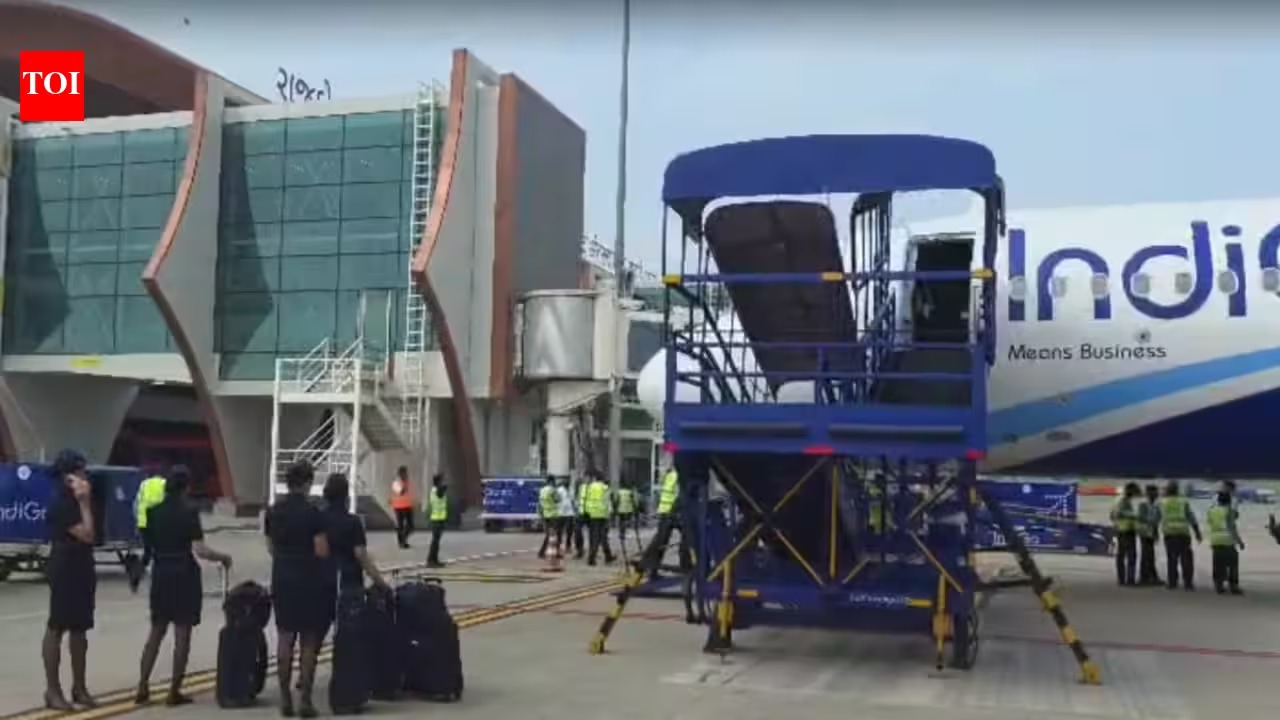
Air India Phuket-Delhi Flight AI2379 Hits Severe Turbulence And Injures Passengers
An Air India flight from Phuket to Delhi has put turbulence safety back in focus after a severe mid-air incident injured passengers and crew before the...

An Air India flight from Phuket to Delhi has put turbulence safety back in focus after a severe mid-air incident injured passengers and crew before the aircraft landed safely in the capital. Reports identified the service as AI2379 and said the aircraft encountered sudden severe turbulence during the journey from Thailand to India. Accounts differed slightly on the number injured, with early reports citing at least 12 and later coverage saying 15 people were hurt, including cabin crew members. The common point across the reports is that the aircraft reached Delhi safely and the injuries were not reported as fatal.
The incident is significant because turbulence is often treated by passengers as an uncomfortable but routine part of flying. Severe turbulence is different. It can throw unbelted passengers, crew and loose items around the cabin with enough force to cause head, neck, shoulder or ear injuries. Some reports said the aircraft suddenly lost around 300 feet in altitude. Even a brief drop can feel violent inside the cabin, particularly if passengers are sleeping, moving through the aisle or not wearing seat belts when the aircraft hits unstable air.
Air India acknowledged the turbulence incident and said the safety and well-being of passengers and crew remained its priority. The Directorate General of Civil Aviation was also reported to be examining the incident. That review will matter because investigators can look at weather conditions, route information, crew actions, seat-belt sign use, passenger injury reports, cabin damage and whether additional operating guidance is needed. Turbulence can occur even when crews follow procedures, but each serious incident provides evidence about how warnings are communicated and how cabins are managed.
For travellers, the lesson is practical rather than dramatic: keep the seat belt fastened whenever seated, even if the sign is off. Modern aircraft are built to withstand turbulence far beyond what passengers can comfortably experience, but human bodies inside the cabin are vulnerable when they are not restrained. The risk is higher during meal service, when trays, hot drinks and loose objects are out, and when passengers leave seats for overhead bins or lavatories. Cabin crew are also exposed because their job requires them to move through the aircraft.
The incident comes during India's monsoon period, when weather systems can complicate regional flying even if the exact cause of a turbulence encounter is not immediately clear. Routes across South and Southeast Asia can face convective weather, strong vertical air movement and sudden changes that may not always be visible to passengers. Airlines rely on forecasts, radar, pilot reports and dispatch planning, but turbulence avoidance is not perfect. That is why basic cabin discipline still matters.
Air India's challenge now is communication. Passengers who experienced the event will want clear medical support, transparent incident updates and confidence that the airline is cooperating with regulators. The wider public will want to know whether the turbulence was forecast, whether the seat-belt sign was active, and how quickly assistance was provided after landing. Until the review is complete, the responsible conclusion is straightforward: the aircraft landed safely, several people were injured, and the case reinforces the importance of wearing a seat belt throughout a flight, not only during take-off, landing or visible bad weather.
Related Stories

EIH And Bhartiya Plan 20 Luxury Resorts Starting With Coorg Kabini And Hampi
EIH Limited and Bhartiya Hospitality have announced a strategic partnership to develop and operate 20 luxury lifestyle resorts across India and selected...

India Identifies 40 Cities For Hub-Airport Travel And Cargo Clearance Model
India has identified 40 cities where passengers could benefit from liberalised airport immigration and cargo-screening rules under a hub-and-spoke aviation model.

Sarnath Becomes India's 45th UNESCO World Heritage Site In Varanasi
Sarnath, the ancient Buddhist site in Uttar Pradesh's Varanasi district, has been inscribed on the UNESCO World Heritage List, giving India its 45th recognised World Heritage site.