GI And Beyond 2.0 Summit In New Delhi To Showcase More Than 100 Handloom And Handicraft Products
New Delhi will host the GI and Beyond 2.0 Summit on Wednesday, August 5, with the Ministry of Textiles using the event to showcase India's GI-tagged handloom and handicraft products. News...

New Delhi will host the GI and Beyond 2.0 Summit on Wednesday, August 5, with the Ministry of Textiles using the event to showcase India's GI-tagged handloom and handicraft products. News On AIR reported that the summit will promote these products and strengthen their position in domestic and international markets, with Minister of State for Textiles Pabitra Margherita scheduled to inaugurate it. The event is being framed not only as a display of craft, but as a market-building exercise.
The headline number is more than 100 GI-registered handloom and handicraft products from across India. A Geographical Indication tag connects a product to a particular region, tradition, method or reputation. That matters because many Indian crafts have been copied, diluted or sold without the original producers receiving fair recognition. A GI-backed display can help buyers understand why a textile, weave, metalwork, pottery item or craft object is tied to a place and a community rather than being a generic souvenir.
News On AIR said the summit will bring together overseas buyers from about 10 countries, exporters and multinational corporations from across the country. That buyer mix is important. Craft promotion often stops at cultural appreciation, but producers need serious commercial channels. If overseas buyers and large firms engage properly, they can help with orders, cataloguing, quality expectations, packaging and repeat demand. If they engage superficially, the event risks becoming another exhibition with little impact after the banners come down.
The summit is also expected to include thematic displays showing India's diverse weaving traditions and live demonstrations of handloom weaving and handicrafts. Demonstrations are more than decoration. They show the time, skill and technique behind products that consumers may otherwise compare only by price. In a market full of machine-made lookalikes, seeing the process can help buyers understand why handmade goods carry higher value and why producer identity needs protection.
For tourism and lifestyle audiences, GI-tagged products create a bridge between travel, culture and local economies. A traveller who buys directly from a recognised craft cluster is not only purchasing an object; they are supporting regional skills. States have begun using GI products in tourism storytelling, airport retail, museums and government gifting. The challenge is to avoid reducing complex traditions to simple branding. Real producer participation, fair pricing and supply-chain transparency are what make GI promotion credible.
The event also sits beside the Ministry of Textiles' wider push around handloom innovation, including Handloom Hackathon 2.0 at IIT Delhi. Taken together, the two events show a dual strategy: protect and promote heritage products, while also using technology and institutional support to improve market access and production systems. That combination is sensible, because a GI tag alone does not solve problems of income, inventory, digital sales or design adaptation.
The summit's success will be judged after August 5. Useful outcomes would include buyer commitments, export leads, clearer catalogues, support for smaller producer groups and follow-up mechanisms that keep artisans connected to markets. India has a deep craft economy, but depth alone does not guarantee income. GI and Beyond 2.0 gives New Delhi a chance to show that traditional products can be promoted with commercial seriousness while still respecting the communities that created them.
Related Stories
Aadi Mahotsav Opens in Navi Mumbai With a Focus on Tribal Enterprise
The eight-day festival at CIDCO Urban Haat brings tribal crafts, handlooms, food products and producer groups directly to consumers.
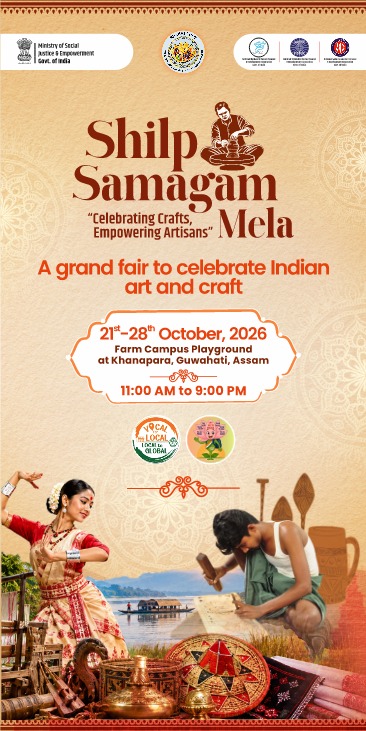
Guwahati Craft Fair Opens a Direct Market for 75 Artisans
Shilp Samagam Mela brings handloom and handicraft makers to Farm Gate, Khanapara, with direct sales and a focus on wider market access.

Gems Of India Challenge Opens For Creators On MyWAVES In Six Pilot Regions
The Ministry of Information and Broadcasting's Gems of India Challenge opened its pilot submission window on Saturday, inviting grassroots creators to tell district stories through short videos on.
