J P Nadda To Address India Medical Device 2026 As New Delhi Hosts MedTech Leaders
Union Minister J. P. Nadda will address India Medical Device 2026 in New Delhi as the government and industry prepare for a two-day discussion on building a more competitive MedTech...

Union Minister J. P. Nadda will address India Medical Device 2026 in New Delhi as the government and industry prepare for a two-day discussion on building a more competitive MedTech ecosystem. The Department of Pharmaceuticals, under the Ministry of Chemicals and Fertilizers, is organising the ninth edition of the conference with FICCI at Vigyan Bhawan on August 7 and 8. PIB said policymakers, regulators, chief executives and MedTech leaders will deliberate on building a globally competitive medical devices ecosystem aligned with the Viksit Bharat agenda.
The core business question is whether India can move from a large medical devices market to a stronger medical devices manufacturing and innovation base. Hospitals, diagnostic chains, public health programmes and home-care providers all depend on equipment that ranges from simple consumables to high-end imaging, implants, monitoring systems and software-enabled devices. Import dependence in high-value categories can expose the health system to currency pressure, supply delays and cost volatility. Local capability therefore has both commercial and public-health significance.
Nadda is scheduled to address the conference on August 8 on the theme of Atmanirbhar MedTech and India's journey towards Viksit Bharat. Minister of State Anupriya Patel is also scheduled to address the event. The topic is deliberately broad because medical devices sit across industrial policy, health regulation, hospital procurement, clinical evidence, export strategy and startup innovation. A device can be technologically impressive and still fail commercially if regulatory pathways, reimbursement models or service networks are weak.
PIB said India Medical Device 2026 will focus on localisation of medical device component manufacturing, testing infrastructure, quality assurance, technology leadership in high-impact and high-volume devices, artificial intelligence, software as a medical device, clinical evidence generation, regulatory pathways, exports, service and maintenance ecosystems and reimbursement frameworks. That list shows how complex the sector has become. It is no longer enough to assemble equipment. Companies need data, compliance, post-sales support and proof that products work safely in clinical settings.
The AI and software agenda will attract particular attention. Software as a Medical Device can help with diagnostics, workflow triage, monitoring and decision support, but it also raises questions about validation, bias, cybersecurity and accountability. Indian startups may see opportunities here because software-led devices can scale faster than heavy hardware. However, medical technology cannot be treated like a normal consumer app. Errors can affect patient safety, so regulation and clinical testing must move with care.
Exports are another test. India can become a MedTech destination only if products meet international quality expectations and if manufacturers can support customers beyond the first sale. Service, maintenance and spare-parts systems are often overlooked, but they decide whether hospitals trust a device over several years. Conferences like India Medical Device 2026 can help align public and private actors, but the measurable progress will come from approvals, production capacity, procurement confidence and export contracts.
The event's timing is useful because healthcare demand is rising and hospitals are under pressure to improve both access and efficiency. If the conference produces clear follow-up on testing infrastructure, component supply, reimbursement and clinical evidence, it could help smaller MedTech companies move from pilots to serious adoption. If it remains only a high-level discussion, the sector will still face familiar bottlenecks. For now, New Delhi is giving the industry a national platform; the question is whether the platform leads to practical execution.
Related Stories
India Post Clears ₹4,000 Crore in a Quarter for the Second Time
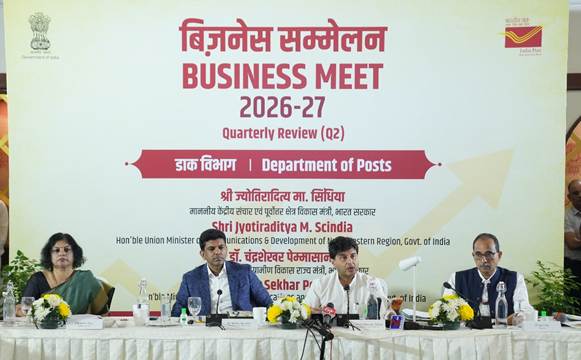
India Post reported first-half revenue of ₹8,212.7 crore, with parcel income up 71% year on year in the July–September quarter.
IIM Lucknow's Family-Business MBA Treats Succession As A Management Skill
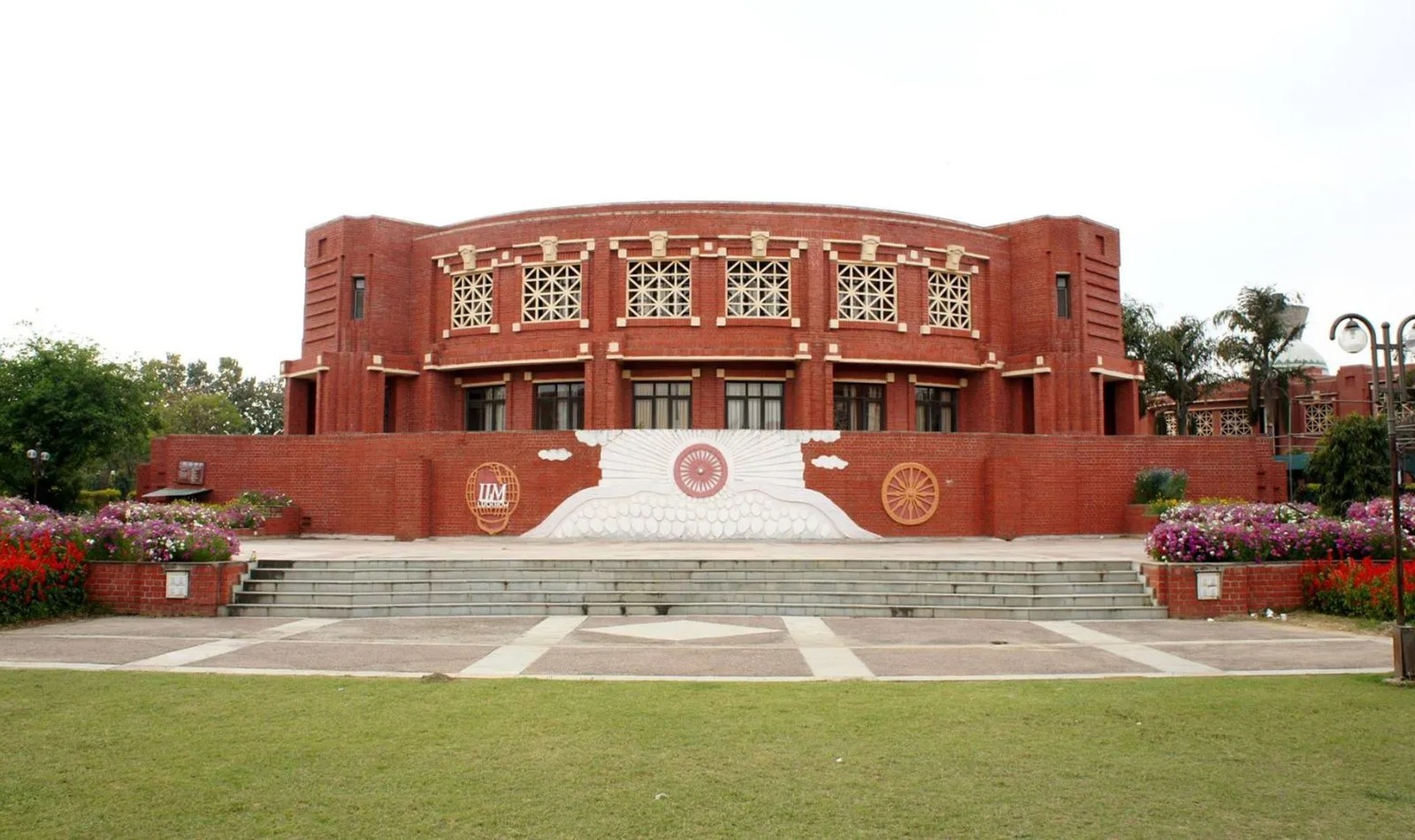
The two-year programme, starting in July 2027, is aimed at business owners and next-generation leaders who need governance, succession and growth tools.

Fusion CX IPO Puts Kolkata's AI-Enabled Service Firm On The Market Clock
The Rs 702 crore issue opens on October 14 with a Rs 275-289 price band and a fresh-issue component aimed partly at reducing debt.