IMD August 6 Rain Alerts Put Delhi-NCR Kerala Madhya Pradesh And Northeast Schools On Watch
Heavy-rain alerts for Thursday, August 6, have put schools, commuters and district administrations across several Indian regions on watch, with no national...

Heavy-rain alerts for Thursday, August 6, have put schools, commuters and district administrations across several Indian regions on watch, with no national closure announced but local decisions still possible. Economic Times reported that the India Meteorological Department had predicted heavy to very heavy rainfall in several parts of the country, including Delhi-NCR, Kerala, Madhya Pradesh, Assam, Bihar, Uttar Pradesh, Uttarakhand, Odisha, West Bengal, Karnataka and parts of the Northeast. The story is not a single city weather update; it is a national monsoon management issue.
The most immediate public question is whether schools will remain open. Economic Times reported that there is no nationwide holiday, and that school-closure decisions are expected to be made at district level based on real-time rainfall and safety conditions. That distinction matters. Parents often see viral claims about blanket shutdowns, but weather responses in India usually depend on local rainfall, drainage, transport conditions, hill-road risk and district administration orders rather than one central announcement.
Delhi-NCR faces rain and thunderstorm risks across Delhi, Noida, Ghaziabad, Gurugram and surrounding areas. The forecast does not automatically mean schools are closed, but even moderate rain can create practical disruption in the capital region. Waterlogging can slow school buses, office commutes, app-based transport, last-mile deliveries and emergency movement. For families, the safest approach is to check school messages and district advisories before leaving home rather than relying on social media claims.
Kerala remains a more serious watch point because Economic Times reported continuing heavy and widespread rainfall, with several districts facing waterlogging and flood-like conditions. Schools in many districts had already been shut because of weather, and further decisions could be made depending on August 6 conditions. Kerala's monsoon risk is shaped by local terrain, saturated soil, river behaviour and urban drainage. A closure in one district does not necessarily imply the same decision next door.
Maharashtra, Madhya Pradesh, Assam and the Northeast also carry different forms of risk. Maharashtra can see transport disruption when intense rain hits urban corridors or coastal belts. Madhya Pradesh's heavy rain can affect agriculture, rural roads and reservoirs. Assam and adjoining northeastern states face flood and landslide exposure when heavy rain falls over hill catchments and river systems. In these regions, district alerts, river-level updates and road advisories are often more useful than a broad state-level weather headline.
The IMD alert map also matters for food prices and rural work. Repeated heavy rain can support sowing and recharge water bodies, but it can also damage crops, delay field operations and disrupt supply routes. When the RBI is simultaneously warning about food-price pressures, the monsoon becomes an economic story as well as a safety story. Short bursts of very heavy rain can have sharper local impact than a calmer day with a similar total rainfall amount spread over many hours.
The public takeaway is careful monitoring rather than panic. Residents in alert districts should avoid flooded underpasses, allow extra travel time, charge phones, check school and transport updates, and follow official instructions from district authorities. Schools and workplaces should communicate early when routes are unsafe. August 6 is a reminder that the monsoon is managed locally: a national forecast sets the frame, but the right decision for a parent, driver or business depends on what is happening in their district that morning.
Related Stories
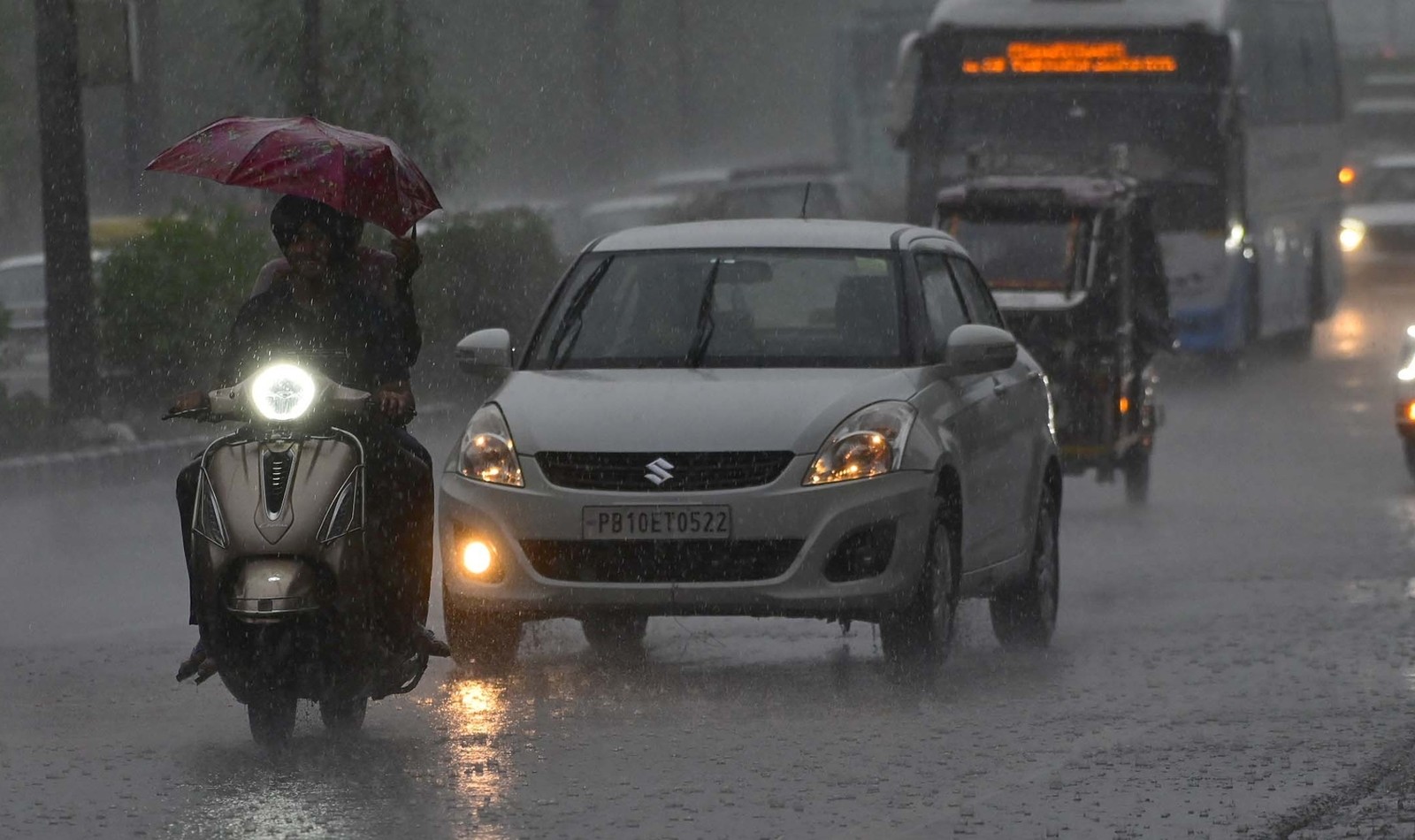
Delhi's Red-Alert Rain Turns A Weather Break Into A Commute Stress Test
Heavy rain, thunderstorms and an IMD red alert brought cooler air but also waterlogging and morning traffic risk across the National Capital Region.
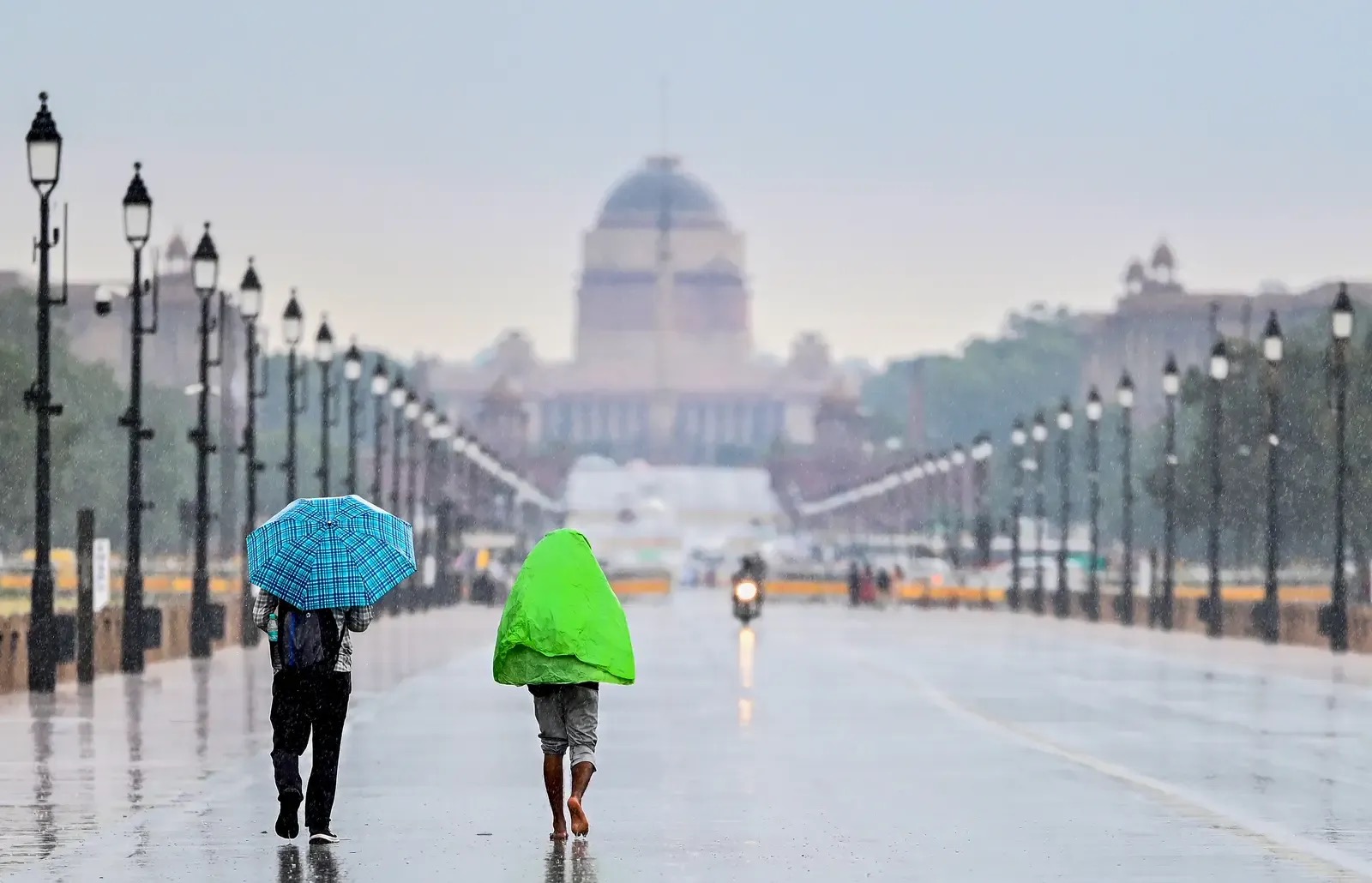
Delhi's Weekend Rain Window Comes With A Dust-Control Warning
Rain, thunderstorms and winds up to 50 kmph may give Delhi-NCR temporary relief, but high minimum temperatures and construction dust keep the air-quality risk alive.
Delhi's Partly Cloudy Forecast Keeps The AQI Watch In Place
IMD's local forecast for New Delhi-Safdarjung shows partly cloudy skies on October 8 after the scattered-rain window, with temperatures expected around 34 and 22 degrees Celsius.