Delhi's Partly Cloudy Forecast Keeps The AQI Watch In Place
IMD's local forecast for New Delhi-Safdarjung shows partly cloudy skies on October 8 after the scattered-rain window, with temperatures expected around 34 and 22 degrees Celsius.
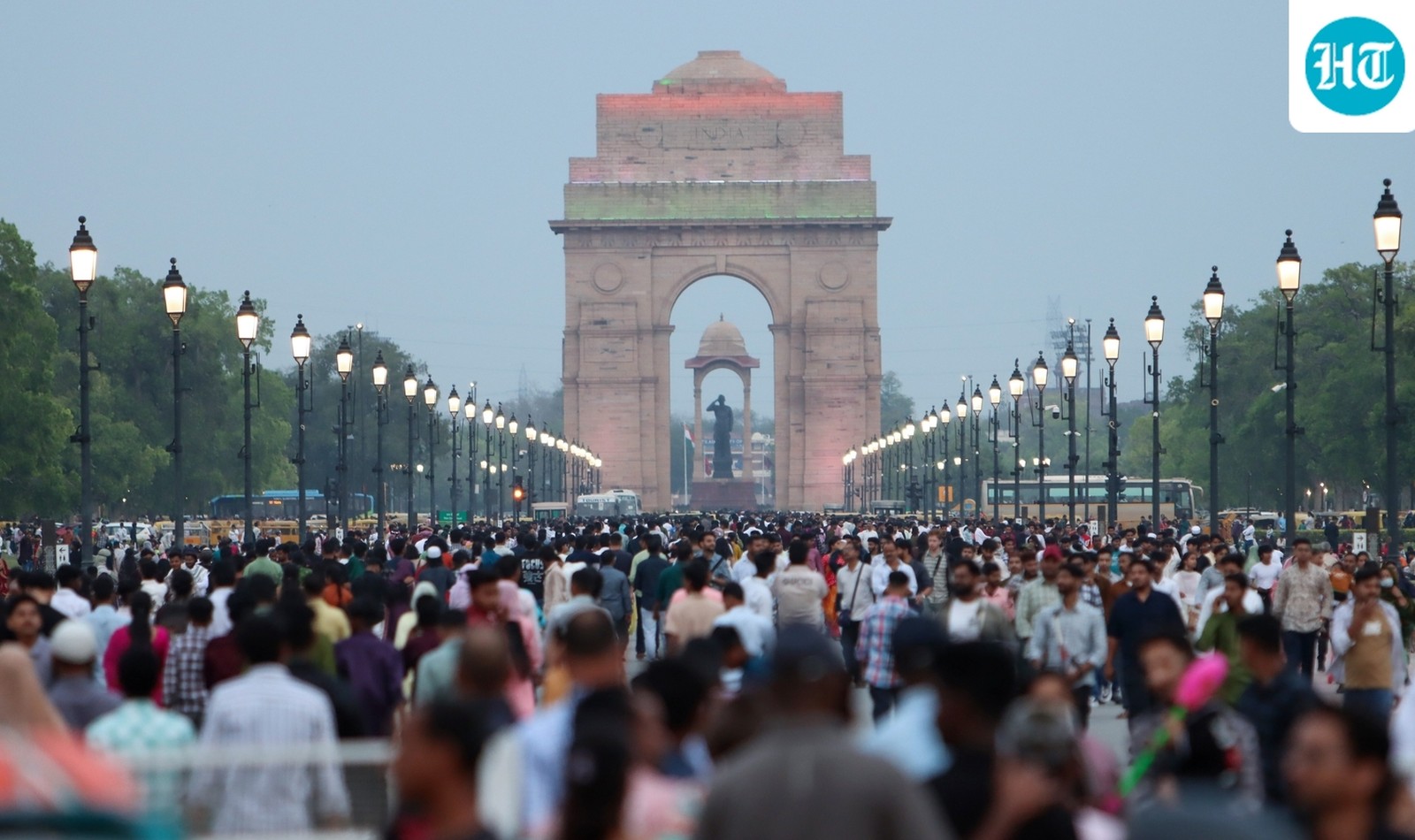
Delhi's October rain window is useful relief, but it is not a pollution reset. The India Meteorological Department's local forecast for New Delhi-Safdarjung lists October 8 as a partly cloudy day, with maximum and minimum temperatures around 34 and 22 degrees Celsius.
That follows a short western-disturbance window in which IMD had indicated thunderstorm with rain for October 6 and partly cloudy conditions on October 7 and 8. For residents, the shift means the worst heat of the preceding days may ease, but the city's October air problem remains larger than one shower spell.
Hindustan Times reported earlier in the week that Delhi began Monday warm, with a minimum temperature of 23.8 degrees Celsius, and that air quality remained in the moderate category with AQI at 178 around 9am. The city's 24-hour average AQI on Sunday was 187, after readings of 166, 174 and 171 over the previous three days.
Rain can briefly settle dust and help disperse suspended particles, especially when accompanied by wind. But a partly cloudy forecast after a scattered-rain spell is not the same as a sustained cleaning event. If winds weaken, traffic emissions, construction dust and regional pollution can quickly rebuild the AQI curve.
The local forecast also shows temperatures dipping only gradually, with partly cloudy skies through the following days. That matters because Delhi's pollution season is shaped by a mix of temperature, boundary-layer height, wind speed, local dust, regional smoke and emission sources.
For households, the safest response is practical. Track local station AQI rather than only citywide numbers, plan for patchy weather changes, and avoid assuming that a brief rain spell has ended the early pollution build-up. People with respiratory conditions should stay alert even when skies look clearer.
Delhi may get a short October weather break. The harder test is what happens after the clouds thin, when pollution sources and dispersal conditions again decide whether the city stays moderate or moves toward the poor band.
Related Stories
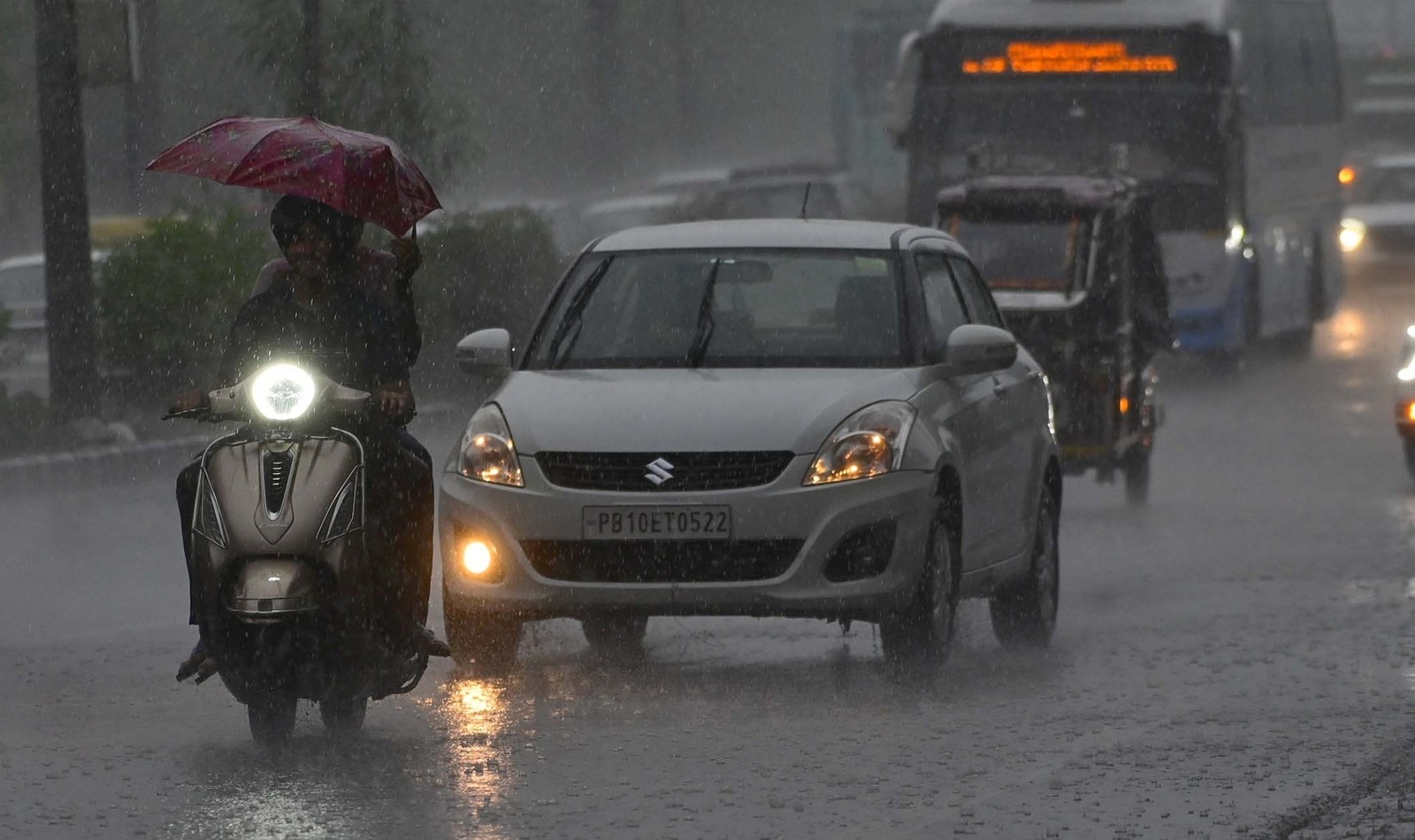
Delhi's Red-Alert Rain Turns A Weather Break Into A Commute Stress Test
Heavy rain, thunderstorms and an IMD red alert brought cooler air but also waterlogging and morning traffic risk across the National Capital Region.
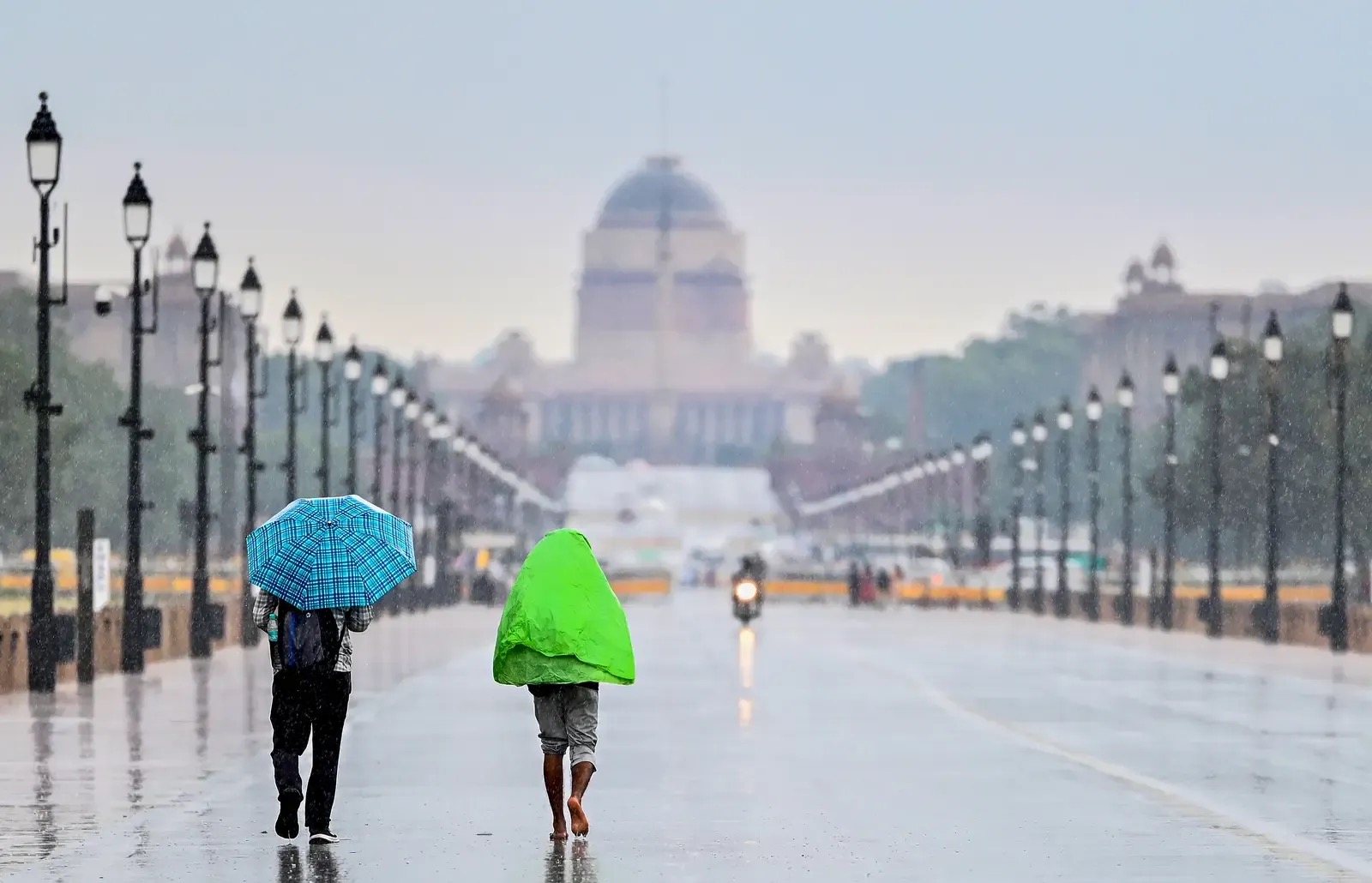
Delhi's Weekend Rain Window Comes With A Dust-Control Warning
Rain, thunderstorms and winds up to 50 kmph may give Delhi-NCR temporary relief, but high minimum temperatures and construction dust keep the air-quality risk alive.

Delhi's Rain Window May Cool The Heat, But AQI Relief Is Not Guaranteed
IMD's scattered-rain forecast gives Delhi a short weather break after warm days and rising pollution, but the city's October air-quality problem remains larger than one shower spell.