Delhi's Weekend Rain Window Comes With A Dust-Control Warning
Rain, thunderstorms and winds up to 50 kmph may give Delhi-NCR temporary relief, but high minimum temperatures and construction dust keep the air-quality risk alive.
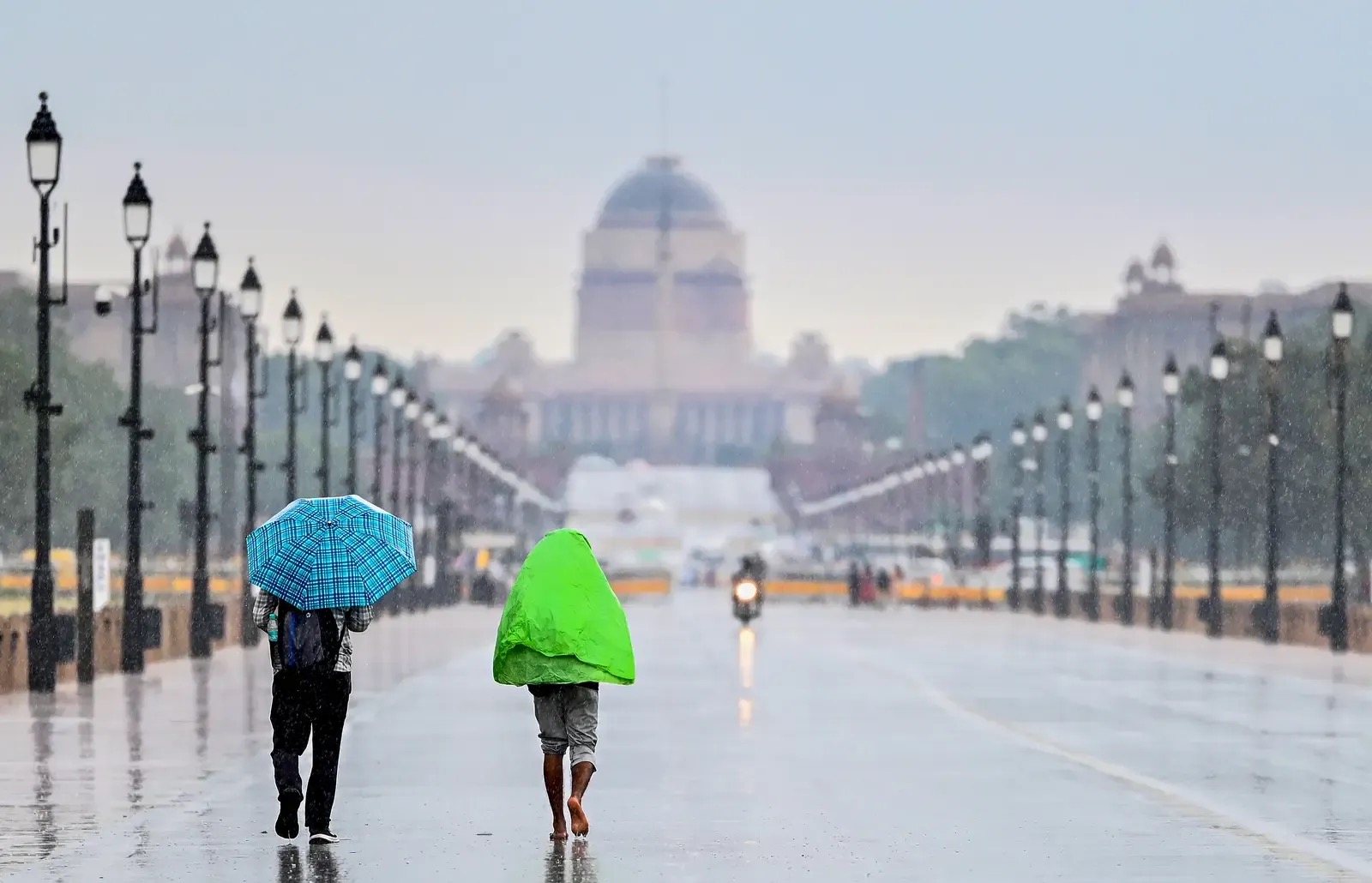
Delhi-NCR's weekend weather has brought a short relief window, but not a clean break from the capital's early-October air-quality problem. Forecasts for October 10 and 11 point to rain, thunderstorms, lightning and gusty winds reaching up to 50 kmph in parts of the region.
The shift is linked to a western disturbance over north Pakistan and an upper-air cyclonic circulation over Haryana and northwestern Uttar Pradesh. Together, those systems are expected to generate intermittent showers and windy spells across Delhi and adjoining areas.
For residents, the immediate effect may be pleasant: cooler breezes, cloud cover and the possibility of dust settling for a day or two. But the underlying readings show why this cannot be treated as a seasonal reset. Minimum temperatures at Safdarjung and Lodhi Road were reported more than four degrees above normal, while the city's air quality remained in the moderate band before the strongest winter pollution pressures have arrived.
That combination is uncomfortable. A warm October night pattern delays the usual seasonal cooling, while construction dust, road dust and local emissions keep the air from improving sustainably. Rain can help, but it cannot substitute for source control.
That is why the Delhi Pollution Control Committee's inspections matter. The committee has been conducting checks at government and private construction sites, issuing show-cause notices where dust-control rules were allegedly breached. Chief Minister Rekha Gupta has said no government department, contractor, private firm or construction agency should be exempt from pollution-control regulations.
The enforcement line is welcome, but Delhi has heard similar warnings before. The difference will be whether notices lead to visible compliance: covered material, wheel washing, water sprinkling, debris management, barricading, dust screens and penalties when agencies fail to act.
For commuters and families, the practical advice is still cautious. Sudden rain and wind can affect visibility, traffic and outdoor events, while lightning risk remains in isolated pockets. People with respiratory conditions should not assume one windy day means the air has turned safe.
The larger story is that Delhi is entering the pollution season from a fragile starting point. A weekend rain spell may soften the edge, but the capital's October test is enforcement, not weather luck. If dust-control rules are treated as optional until the AQI turns severe, the city will lose the cleanest part of the season before winter even arrives.
Related Stories
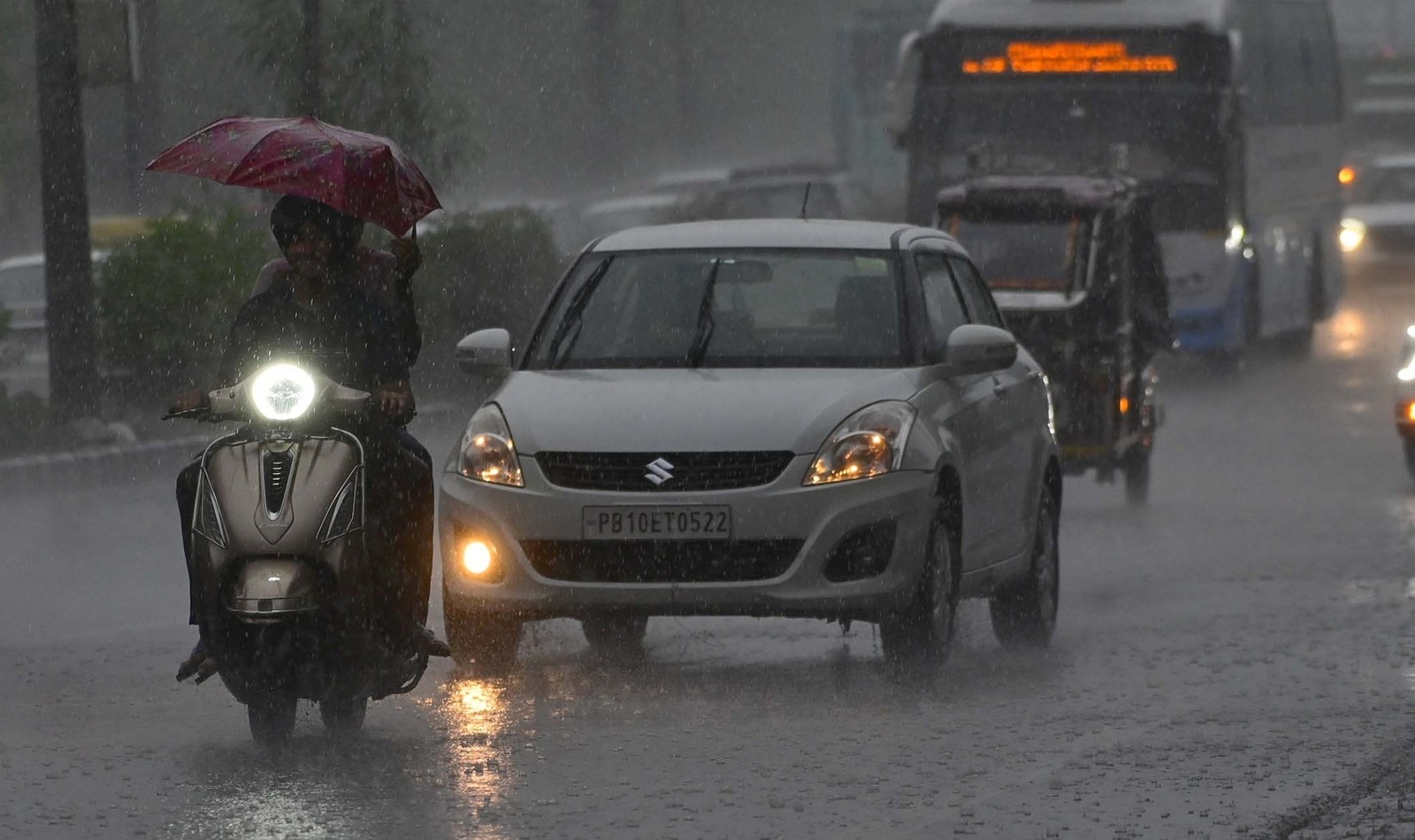
Delhi's Red-Alert Rain Turns A Weather Break Into A Commute Stress Test
Heavy rain, thunderstorms and an IMD red alert brought cooler air but also waterlogging and morning traffic risk across the National Capital Region.
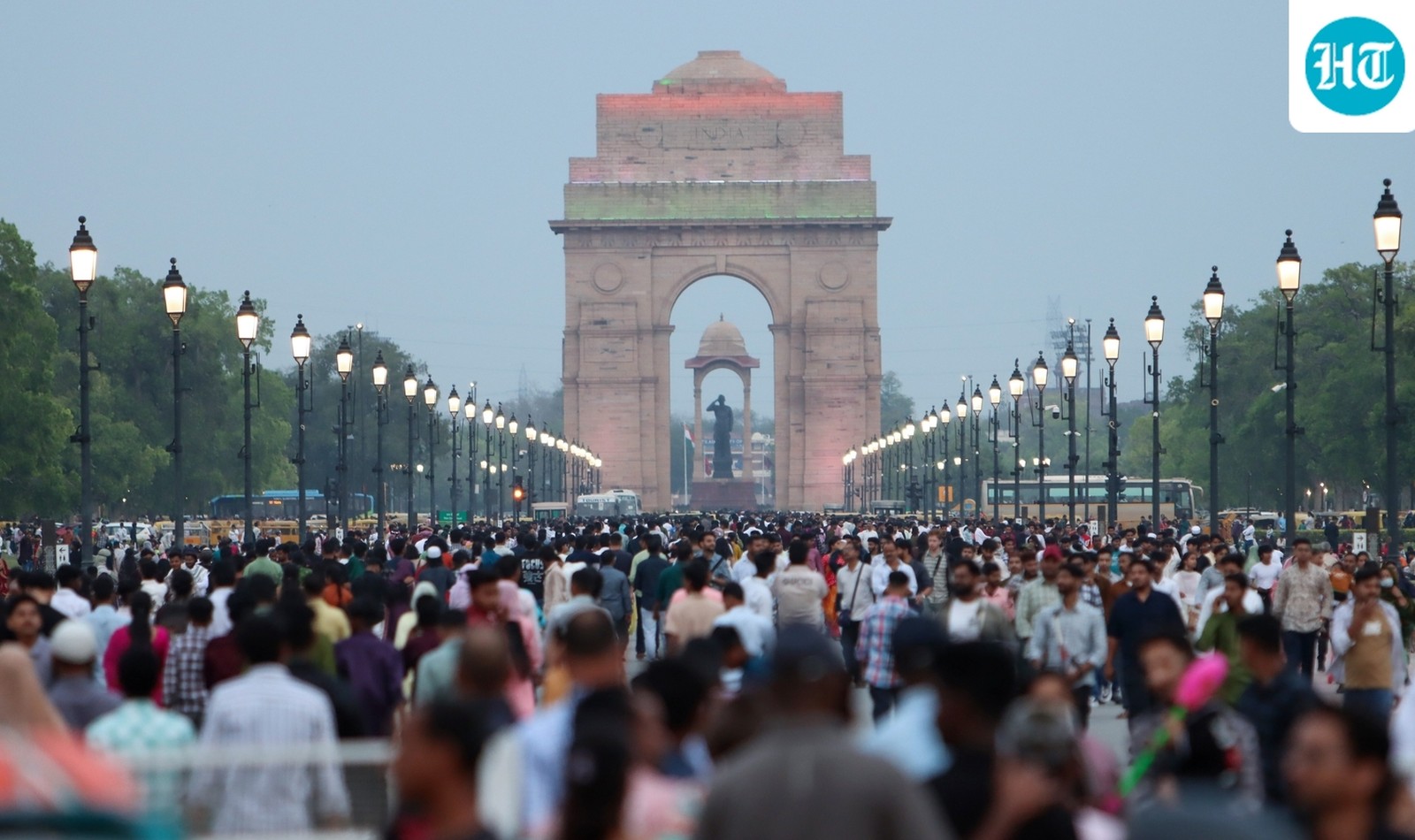
Delhi's Partly Cloudy Forecast Keeps The AQI Watch In Place
IMD's local forecast for New Delhi-Safdarjung shows partly cloudy skies on October 8 after the scattered-rain window, with temperatures expected around 34 and 22 degrees Celsius.

Delhi's Rain Window May Cool The Heat, But AQI Relief Is Not Guaranteed
IMD's scattered-rain forecast gives Delhi a short weather break after warm days and rising pollution, but the city's October air-quality problem remains larger than one shower spell.