Delhi's AQI Nears Poor Mark As October Rain Break Looks Unlikely
Delhi's AQI reached 196 on Sunday morning, with 22 of 43 active stations already recording poor air quality before the winter pollution season deepens.

Delhi's air quality has started October with an uncomfortable warning sign. Hindustan Times reported that the city's Air Quality Index touched 196 at 10am on Sunday, the highest reading in more than 82 days and just below the 'poor' category threshold.
The station-level picture was already worse than the citywide number suggested. According to the report, 22 of Delhi's 43 active air-quality monitoring stations recorded poor air quality, with Mundka at 282, Narela at 262, Jahangirpuri at 248 and Okhla at 232.
The timing matters because Delhi is entering the period when local emissions, dust, lower wind speeds and regional smoke can combine quickly. The October 4 reading followed AQIs of 166 on Thursday, 174 on Friday and 171 on Saturday, showing a steady move toward the upper end of the moderate range.
The weather outlook offers little immediate relief. The India Meteorological Department forecast cited by Hindustan Times said Delhi is unlikely to see rain over the next week, with clear sky on Monday and partly cloudy skies from Tuesday onward.
PM10 was the dominant pollutant in recent readings. That keeps attention on dust control, road management, construction activity and local emissions, not only the seasonal farm-fire debate that often dominates the public conversation later in October and November.
For residents, the practical question is when official messaging moves from monitoring to action. Schools, outdoor workers, commuters and people with respiratory conditions feel the shift before the citywide AQI crosses a dramatic threshold.
Delhi's latest numbers are not yet a winter emergency, but they are a live warning. Without rain and with several stations already in the poor band, the city has little room for complacency before pollution-control measures need to show visible results.
Related Stories
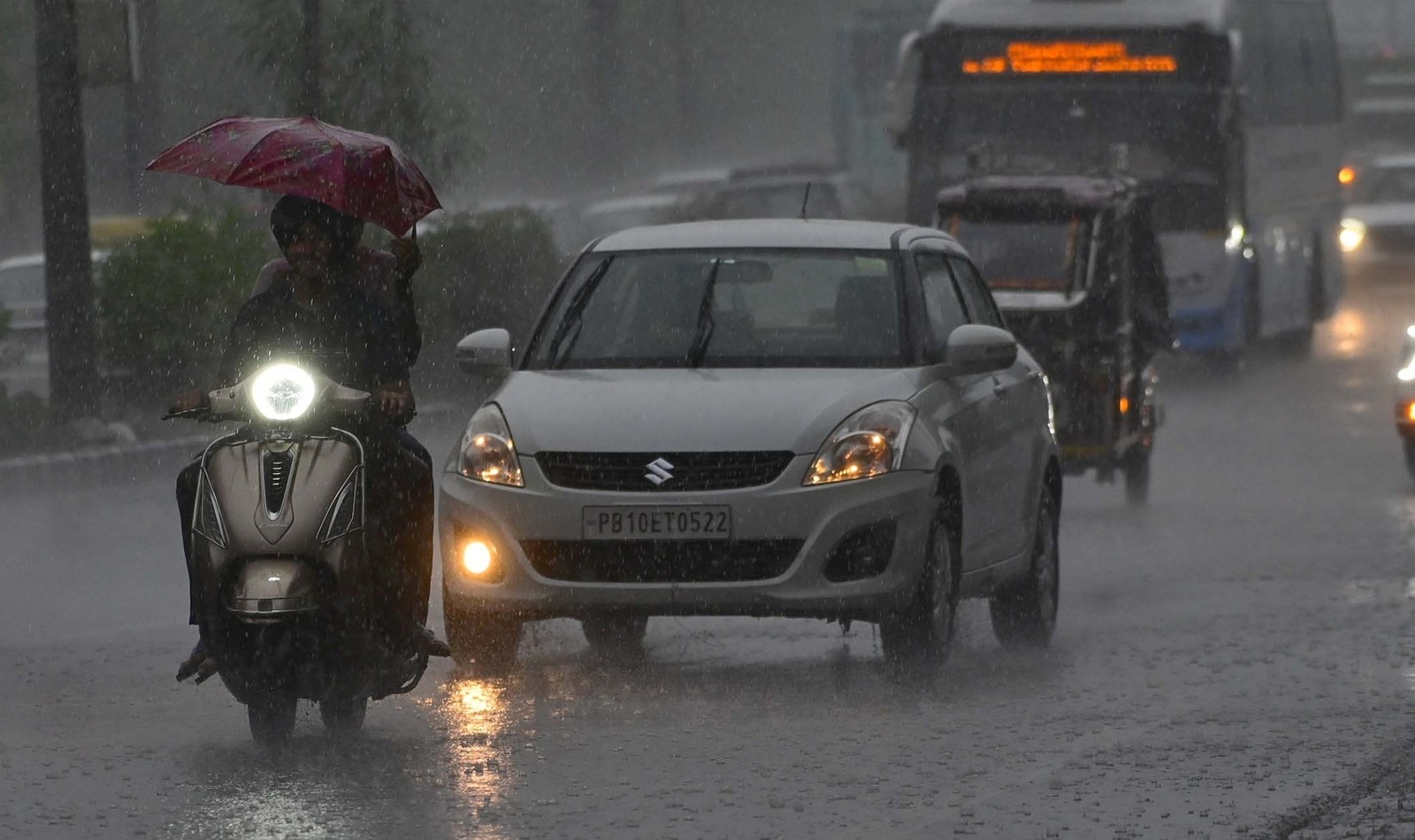
Delhi's Red-Alert Rain Turns A Weather Break Into A Commute Stress Test
Heavy rain, thunderstorms and an IMD red alert brought cooler air but also waterlogging and morning traffic risk across the National Capital Region.
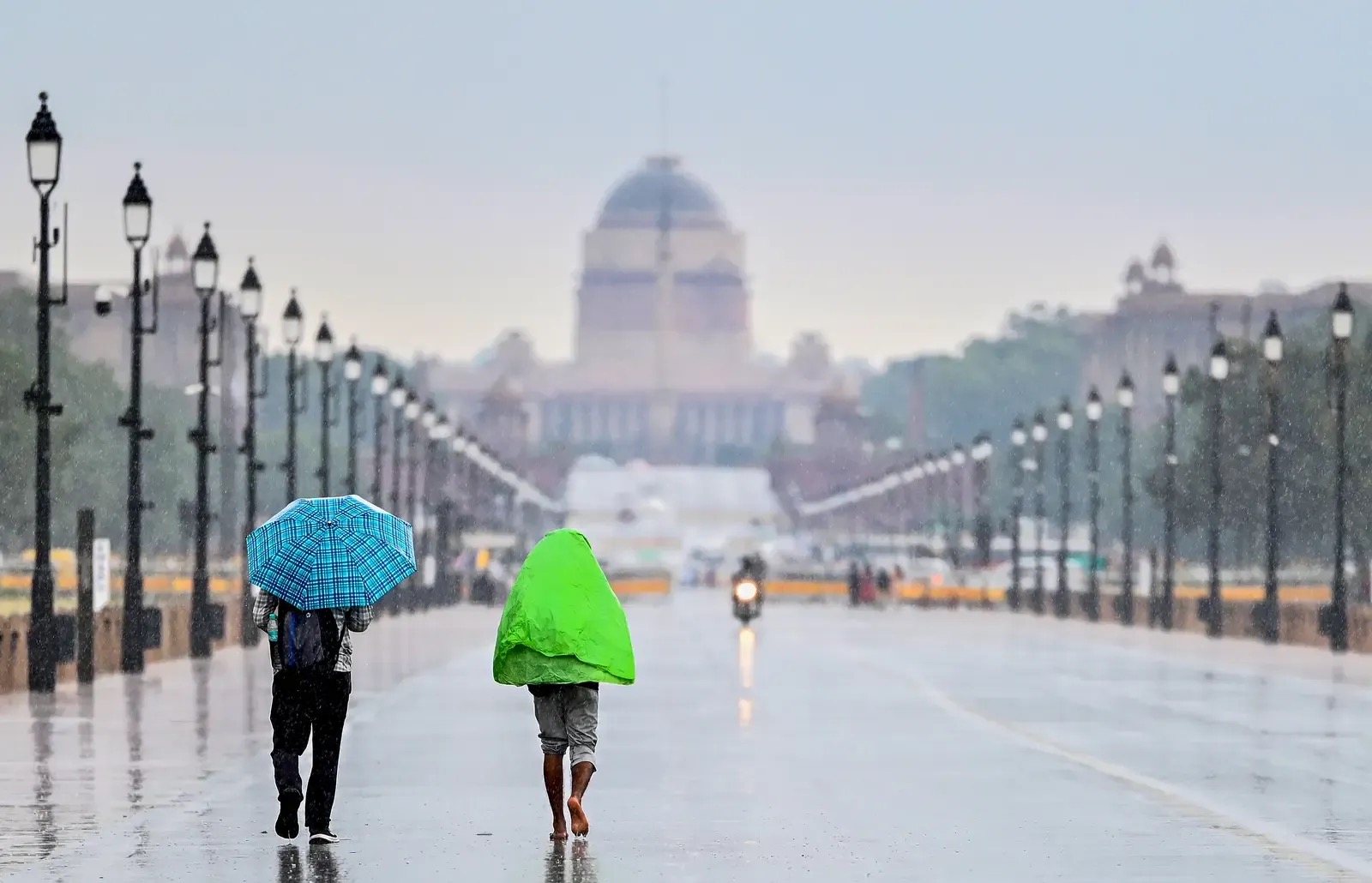
Delhi's Weekend Rain Window Comes With A Dust-Control Warning
Rain, thunderstorms and winds up to 50 kmph may give Delhi-NCR temporary relief, but high minimum temperatures and construction dust keep the air-quality risk alive.
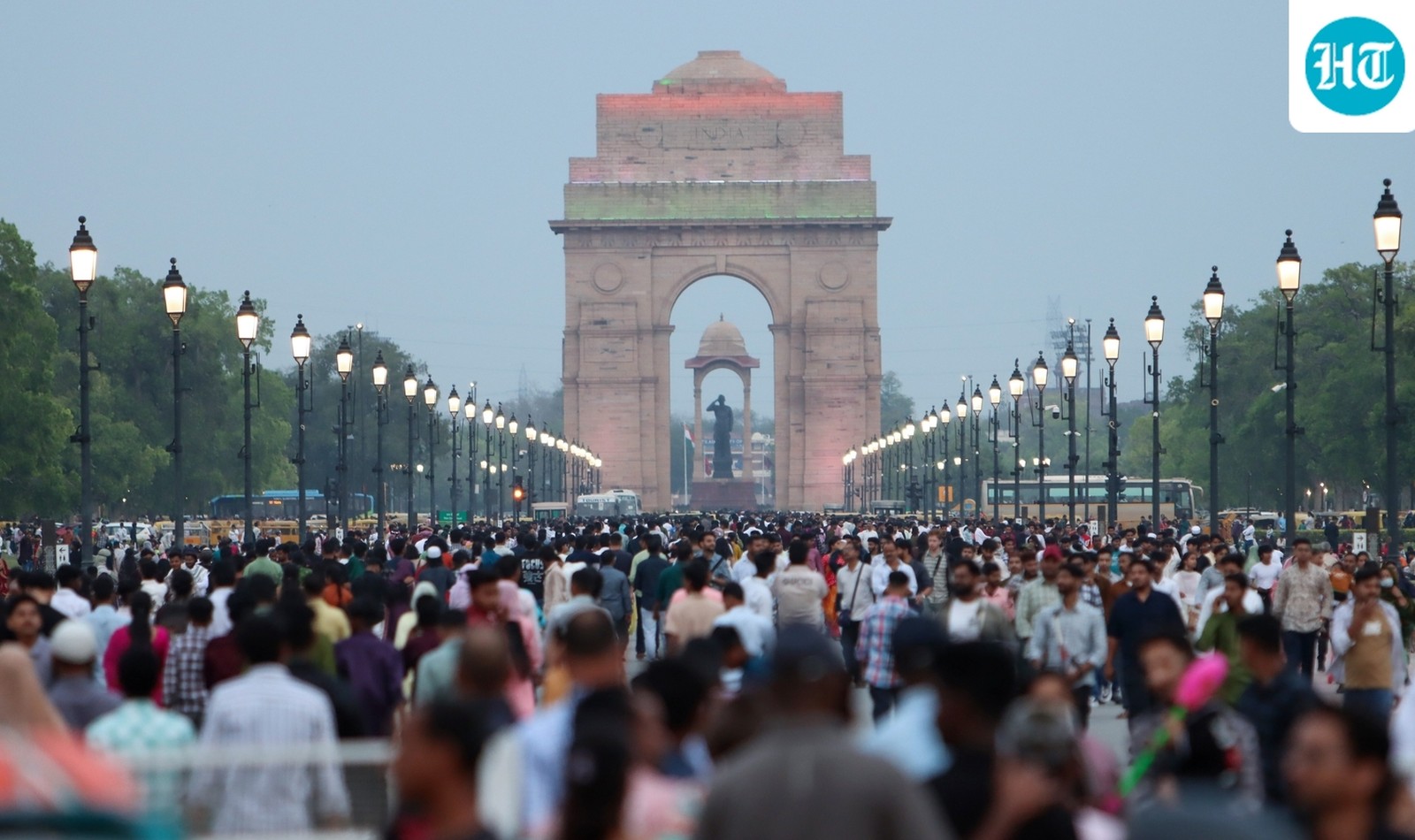
Delhi's Partly Cloudy Forecast Keeps The AQI Watch In Place
IMD's local forecast for New Delhi-Safdarjung shows partly cloudy skies on October 8 after the scattered-rain window, with temperatures expected around 34 and 22 degrees Celsius.