Delhi's Red-Alert Rain Turns A Weather Break Into A Commute Stress Test
Heavy rain, thunderstorms and an IMD red alert brought cooler air but also waterlogging and morning traffic risk across the National Capital Region.
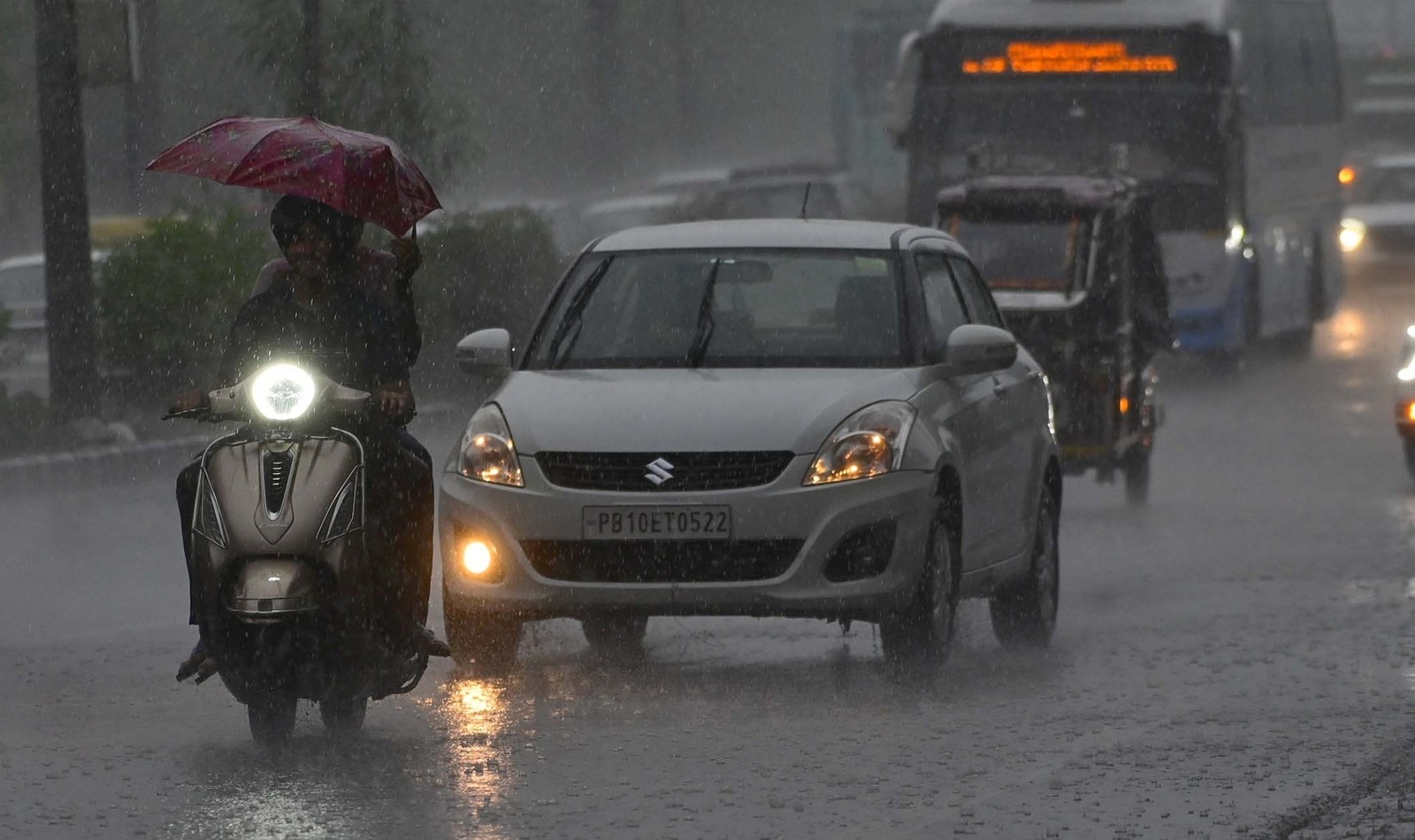
Delhi's sudden rain gave the capital a break from heat, but it also exposed how quickly weather relief can become an urban-management test. Heavy rain and thunderstorms swept across Delhi-NCR early on October 12, prompting the India Meteorological Department to issue a red alert for the capital.
The numbers explain the disruption. The Safdarjung observatory recorded 40 mm of rainfall by 5.30 am, while Delhi airport received 30 mm. The warning covered thunderstorms, lightning, gusty winds and heavy rain intense enough to create water accumulation on roads and in low-lying areas.
For residents, the timing made the event sharper. The rain arrived before and during the morning movement window, when school runs, office commutes, airport trips and security diversions can all collide. Reports from Delhi-NCR flagged waterlogging in several areas, with Noida, Gurugram and Ghaziabad also experiencing rain.
The weather shift is not unusual in itself, but the response challenge is familiar. Delhi can move from dry dust to flooded junctions in a matter of hours. Drainage capacity, construction debris, traffic choke points, underpasses, bus stops and informal settlements all decide whether a rain spell remains manageable or becomes a citywide slowdown.
There is a public-health layer too. Rain can briefly settle dust and cool the air, but it does not solve Delhi's wider pollution and mobility problems. If stagnant water, traffic congestion and weak dispersal follow, the city can trade one set of risks for another.
The useful lesson is practical rather than dramatic. Forecasts need to reach commuters early, road agencies need faster waterlogging response, and residents need local alerts that distinguish between ordinary rain and conditions likely to disrupt travel. A red alert is only useful if it changes decisions before roads fill.
Delhi's October rain therefore belongs on the weather page and the civic page. The same storm that makes the morning cooler can also test whether a city has the drainage, messaging and transport flexibility to keep moving safely.
Related Stories
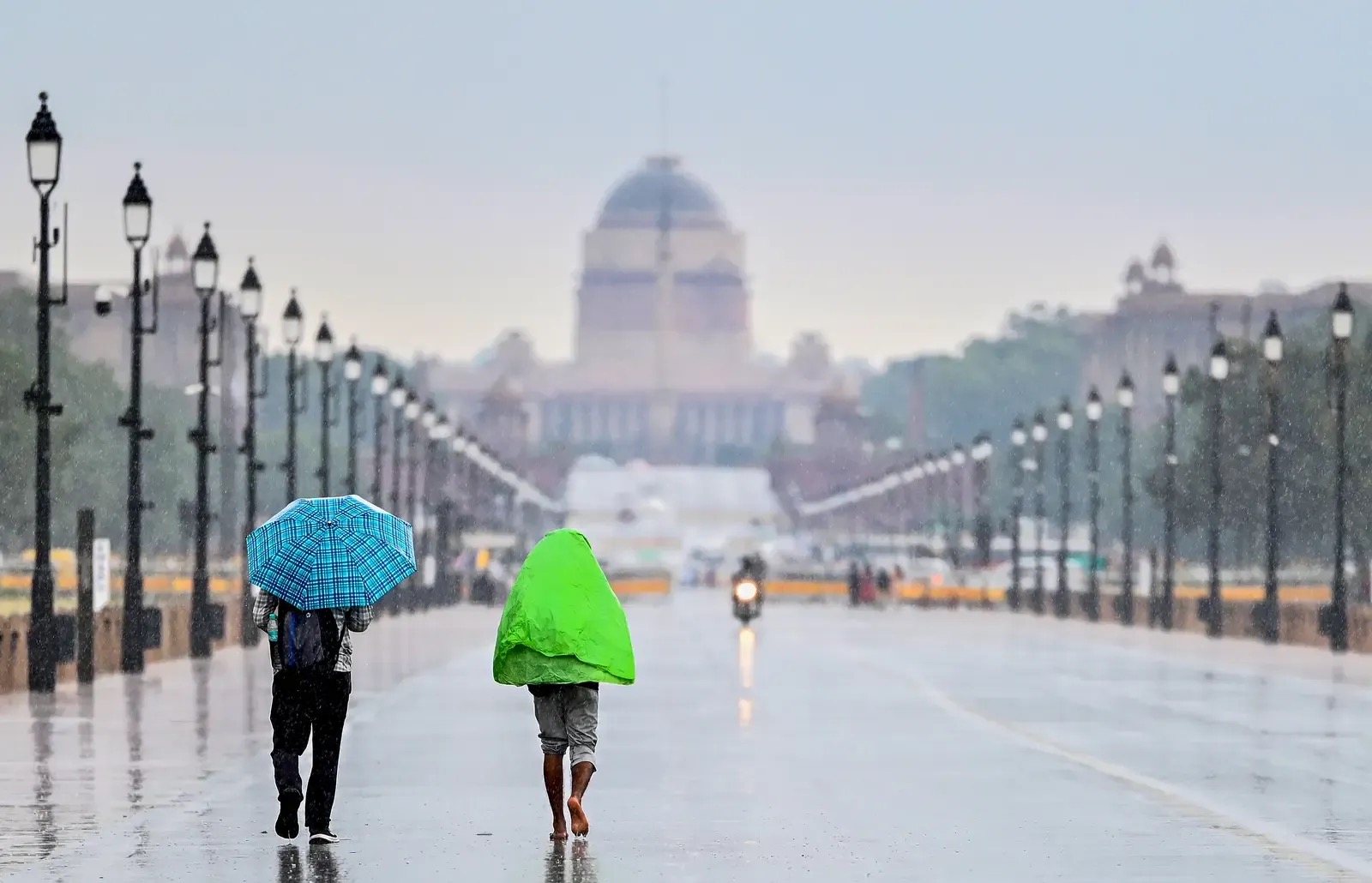
Delhi's Weekend Rain Window Comes With A Dust-Control Warning
Rain, thunderstorms and winds up to 50 kmph may give Delhi-NCR temporary relief, but high minimum temperatures and construction dust keep the air-quality risk alive.
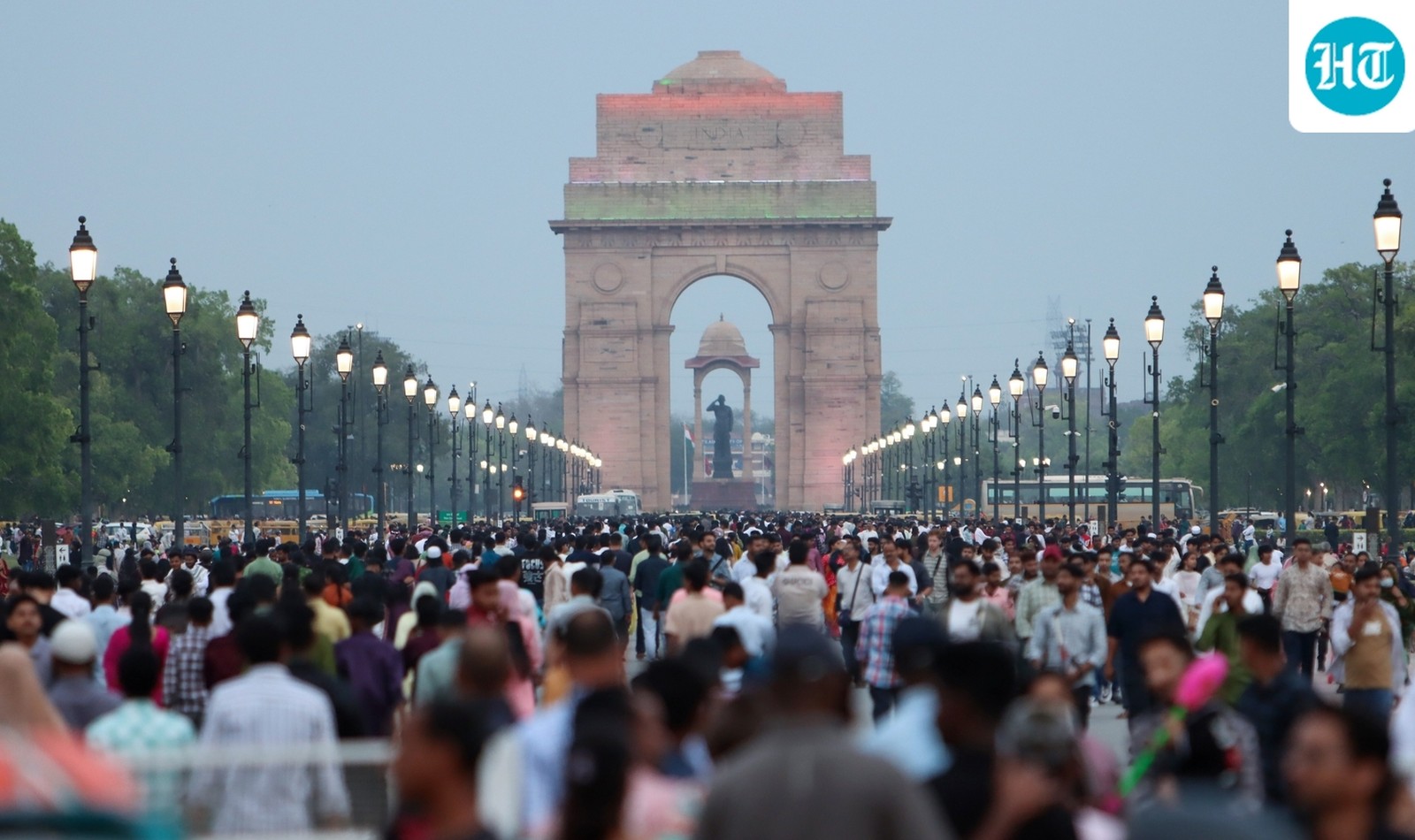
Delhi's Partly Cloudy Forecast Keeps The AQI Watch In Place
IMD's local forecast for New Delhi-Safdarjung shows partly cloudy skies on October 8 after the scattered-rain window, with temperatures expected around 34 and 22 degrees Celsius.

Delhi's Rain Window May Cool The Heat, But AQI Relief Is Not Guaranteed
IMD's scattered-rain forecast gives Delhi a short weather break after warm days and rising pollution, but the city's October air-quality problem remains larger than one shower spell.