Delhi's Rain Window May Cool The Heat, But AQI Relief Is Not Guaranteed
IMD's scattered-rain forecast gives Delhi a short weather break after warm days and rising pollution, but the city's October air-quality problem remains larger than one shower spell.

Delhi's expected rain spell is arriving with two kinds of public hope: cooler evenings and cleaner air. The India Meteorological Department has forecast isolated to scattered rainfall over Delhi, Haryana and Chandigarh during the October 6-8 window, linked to a western disturbance over northwest India. For residents coming out of a warm, dry start to October, even a brief change in weather will be noticed.
The city's recent numbers explain the attention. Delhi recorded elevated temperatures in the lead-up to the forecast window, while air quality had been slipping through the moderate band. Hindustan Times reported that the 24-hour average AQI rose to 174 on Friday from 166 a day earlier, still moderate but close enough to the poor threshold to keep pollution season firmly in view.
Rain can help, but only within limits. A short shower can settle dust, lift humidity and temporarily clear some suspended particles. It can also disrupt local emissions patterns and cool the surface. But if wind speeds fall afterward, dust returns, construction activity continues and regional pollution sources grow, any improvement can disappear quickly.
The forecast also appears uneven rather than sweeping. Weather bulletins described isolated to scattered rainfall, not a continuous citywide wet spell. That means one part of Delhi can see meaningful rain while another sees only clouds, gusts or a brief drizzle. For air quality, spatial coverage matters.
Thunderstorm activity adds a second practical concern. Forecasts for the wider region have included lightning and gusty winds on parts of October 6 and 7. That can affect commuters, outdoor workers, schools, markets and flight operations even if rainfall totals remain modest. The public message therefore needs to be about caution as well as relief.
The timing is important because Delhi is entering the season when pollution can worsen quickly. October air is shaped by local dust, traffic emissions, weather shifts, construction, regional smoke and lower dispersal conditions. A western disturbance may briefly interrupt that pattern, but it does not replace source-level control.
For residents, the simplest response is practical rather than dramatic: track local forecasts, plan for patchy rain, avoid assuming that one shower means clean air, and watch station-level AQI rather than only the citywide number. People with respiratory conditions should stay alert because air quality can change across neighbourhoods.
Delhi may get a short break from heat and haze this week. The harder test will begin after the clouds pass, when the city finds out whether this rain window was a reset or merely a pause before the pollution curve climbs again.
Related Stories
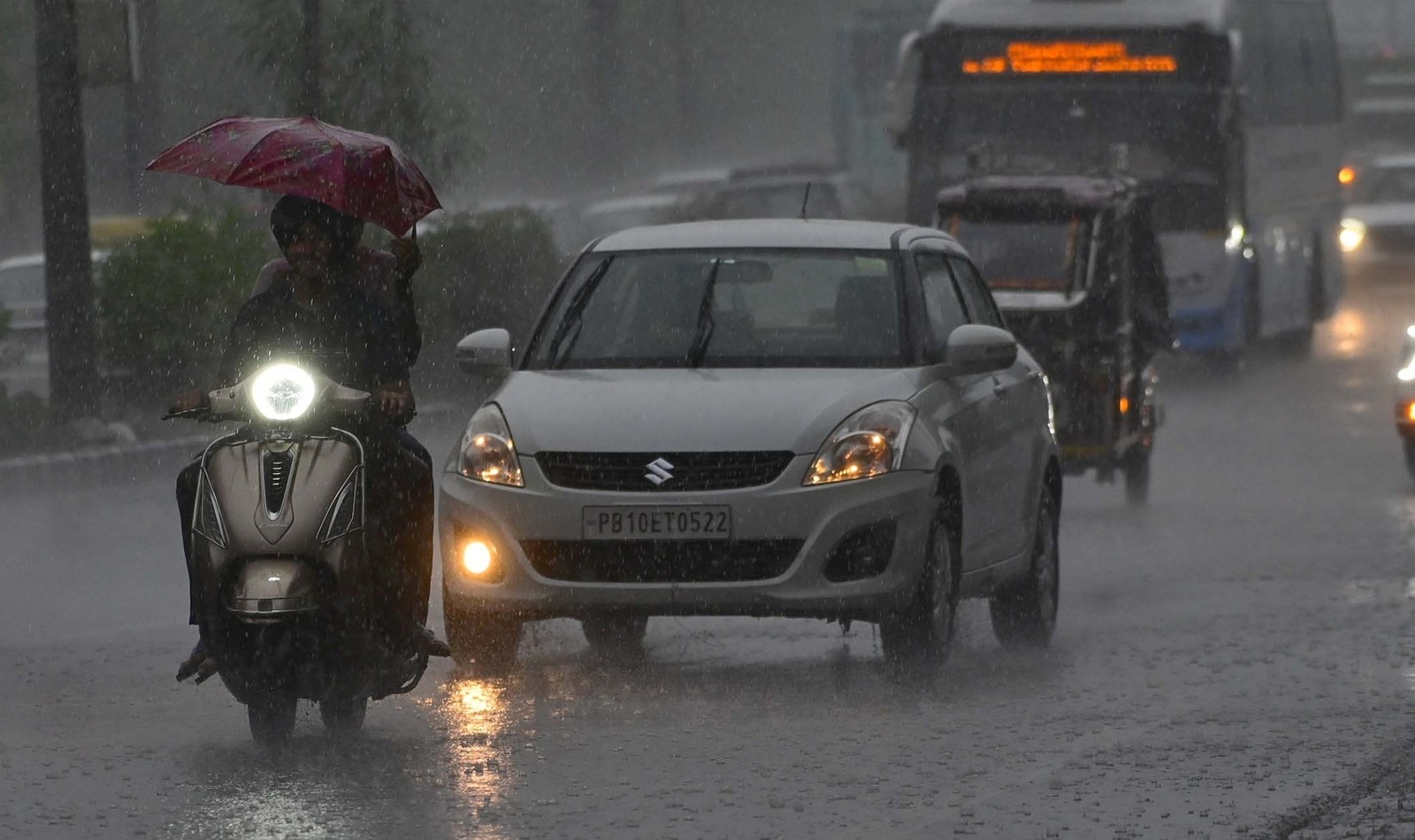
Delhi's Red-Alert Rain Turns A Weather Break Into A Commute Stress Test
Heavy rain, thunderstorms and an IMD red alert brought cooler air but also waterlogging and morning traffic risk across the National Capital Region.
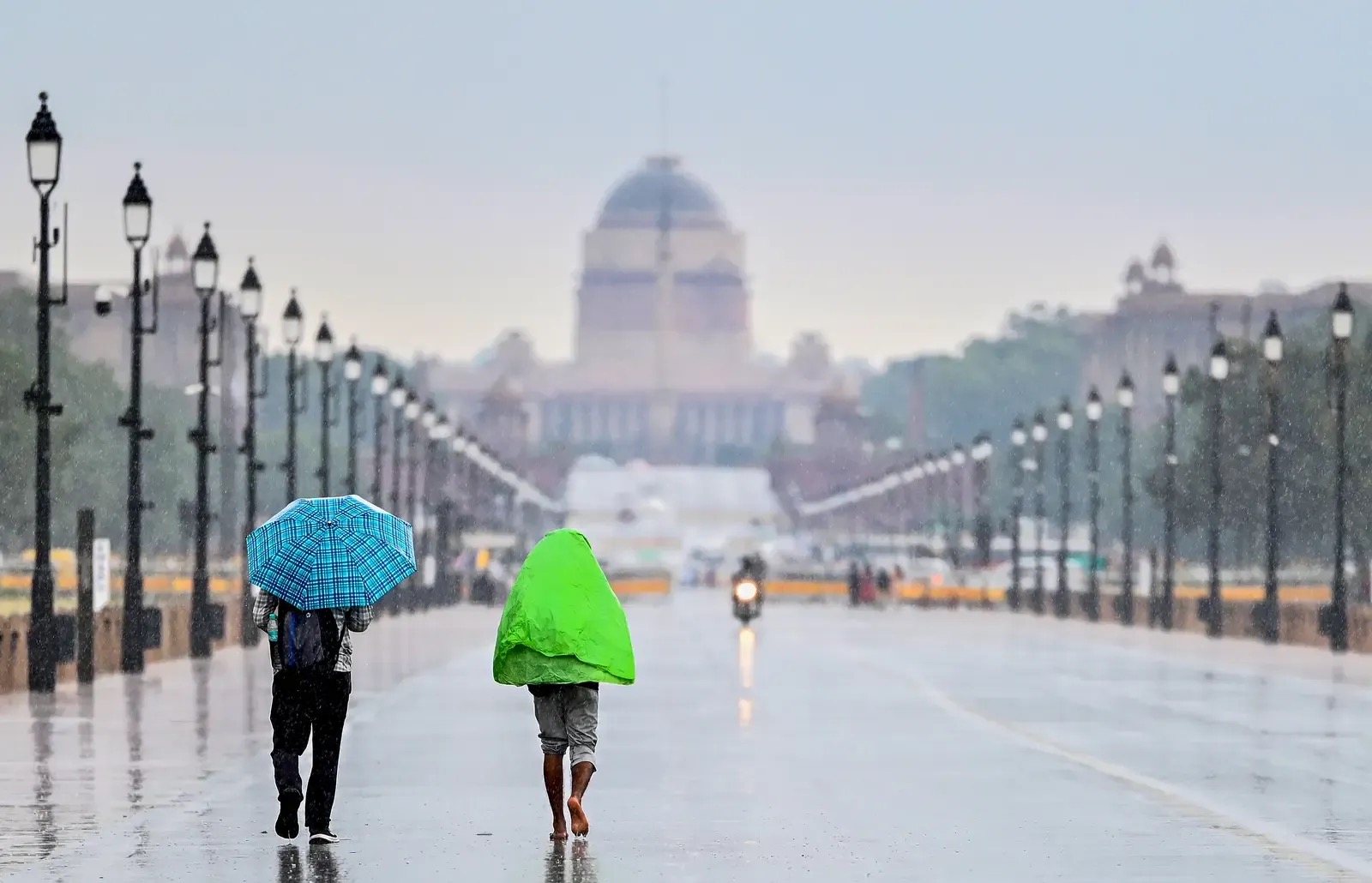
Delhi's Weekend Rain Window Comes With A Dust-Control Warning
Rain, thunderstorms and winds up to 50 kmph may give Delhi-NCR temporary relief, but high minimum temperatures and construction dust keep the air-quality risk alive.
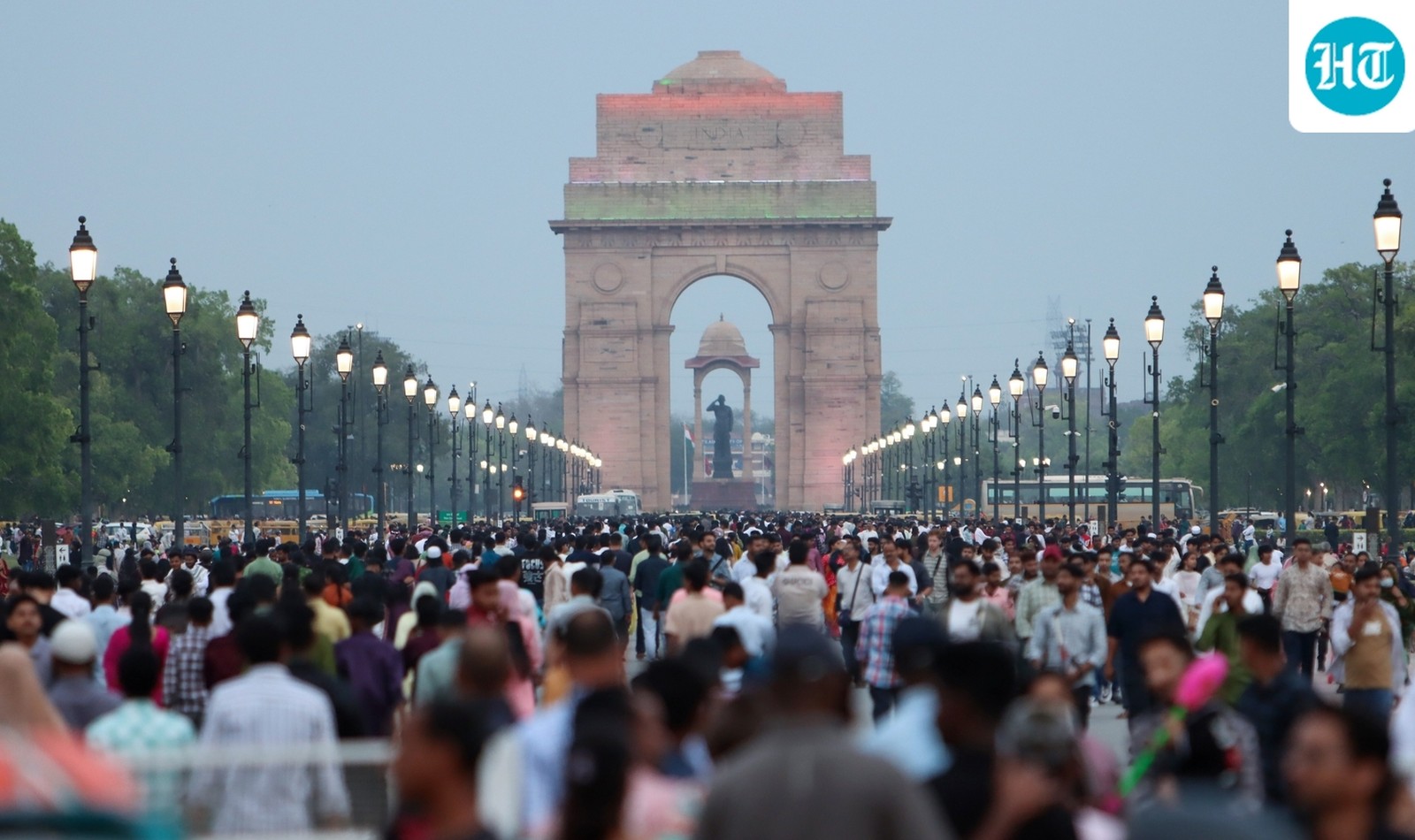
Delhi's Partly Cloudy Forecast Keeps The AQI Watch In Place
IMD's local forecast for New Delhi-Safdarjung shows partly cloudy skies on October 8 after the scattered-rain window, with temperatures expected around 34 and 22 degrees Celsius.