Sanjay Malhotra Keeps RBI Repo Rate At 5.25 Percent As Monsoon Risks Shape Inflation Watch
The Reserve Bank of India has kept the policy repo rate unchanged at 5.25 percent, using its August review to signal caution while keeping growth expectations...

The Reserve Bank of India has kept the policy repo rate unchanged at 5.25 percent, using its August review to signal caution while keeping growth expectations intact. Economic Times reported that the Monetary Policy Committee made the decision unanimously at its 62nd meeting, held from August 3 to 5, 2026, and retained a neutral stance. The standing deposit facility was left at 5.00 percent, the marginal standing facility at 5.50 percent and the bank rate at 5.50 percent.
The decision is fresh even though Indian readers have seen previous rate-hold stories this year. This review has its own pressure points: food and fuel prices, a difficult monsoon picture, global uncertainty and the question of how long borrowing costs can stay steady without hurting investment. Economic Times reported that Governor Sanjay Malhotra chaired the meeting, with members including Dr Nagesh Kumar, Saugata Bhattacharya, Prof Ram Singh, Dr Poonam Gupta and Indranil Bhattacharyya.
The central bank's reasoning was built around waiting for clearer evidence. Economic Times reported that the MPC saw inflation rising in the near term, but largely because of food and fuel rather than broad demand pressure. Core inflation remained moderate, while domestic growth was described as resilient despite global uncertainty. In plain terms, the RBI is not declaring the inflation fight over, but it is also not tightening policy at a moment when price pressure may be weather-linked and uneven.
The growth forecast gives borrowers and markets a second anchor. Economic Times reported that the RBI projected real GDP growth at 6.7 percent for 2026-27, with quarterly estimates of 7.0 percent in Q1, 6.4 percent in Q2, 6.5 percent in Q3 and 6.8 percent in Q4, followed by 7.3 percent in Q1 FY28. Those numbers matter because a rate hold is easier to justify when the central bank believes the economy can keep expanding without extra stimulus.
Inflation is the harder side of the ledger. Economic Times reported that the RBI projected CPI inflation at 5.0 percent for FY27, with quarterly estimates of 4.7 percent in Q2, 5.9 percent in Q3, 5.5 percent in Q4 and 5.3 percent in Q1 FY28. The central bank noted that headline inflation rose to 4.4 percent in June 2026, mainly because food inflation increased across most categories and fuel inflation rose after higher international energy prices. Core inflation, by contrast, remained around 3.9 percent in May and June.
The monsoon warning deserves attention beyond the markets pages. Economic Times reported that the RBI cautioned deficient and uneven south-west monsoon conditions associated with El Nino could affect agriculture and rural demand, even as government initiatives such as crop diversification, climate-resilient farming and water conservation may reduce some of the impact. Rural demand is not a side issue for India; it shapes consumption, food prices, employment, political pressure and the outlook for companies selling into smaller towns.
The next formal checkpoints are already set. Economic Times reported that the minutes of the August MPC meeting will be released on August 19, 2026, and the next RBI MPC meeting is scheduled from October 5 to 7, 2026. Until then, the rate hold gives banks, homebuyers, companies and investors a period of policy continuity. The risk is that weather and global energy prices could change the inflation picture quickly. Malhotra's message is therefore steady, but not relaxed: the RBI is holding position while watching the monsoon, fuel and global trade environment closely.
Related Stories

India Post Clears ₹4,000 Crore in a Quarter for the Second Time
India Post reported first-half revenue of ₹8,212.7 crore, with parcel income up 71% year on year in the July–September quarter.
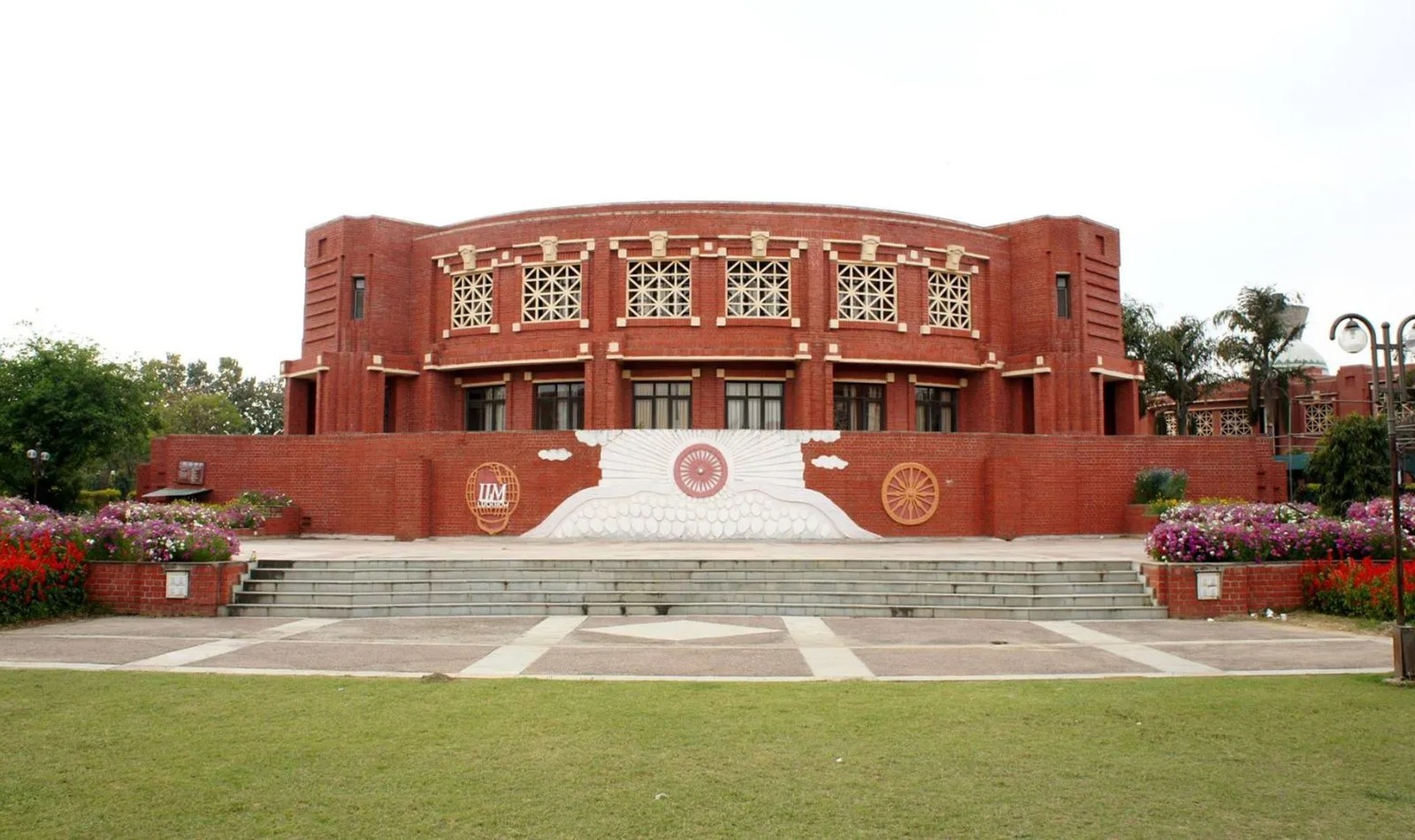
IIM Lucknow's Family-Business MBA Treats Succession As A Management Skill
The two-year programme, starting in July 2027, is aimed at business owners and next-generation leaders who need governance, succession and growth tools.

Fusion CX IPO Puts Kolkata's AI-Enabled Service Firm On The Market Clock
The Rs 702 crore issue opens on October 14 with a Rs 275-289 price band and a fresh-issue component aimed partly at reducing debt.