Sitharaman Puts Deep-Tech Startups And Patient Capital Back On The Growth Agenda
Finance Minister Nirmala Sitharaman has used the IIT Madras Alumni Association's Sangam 2026 in Bengaluru to put India's startup economy back inside a...
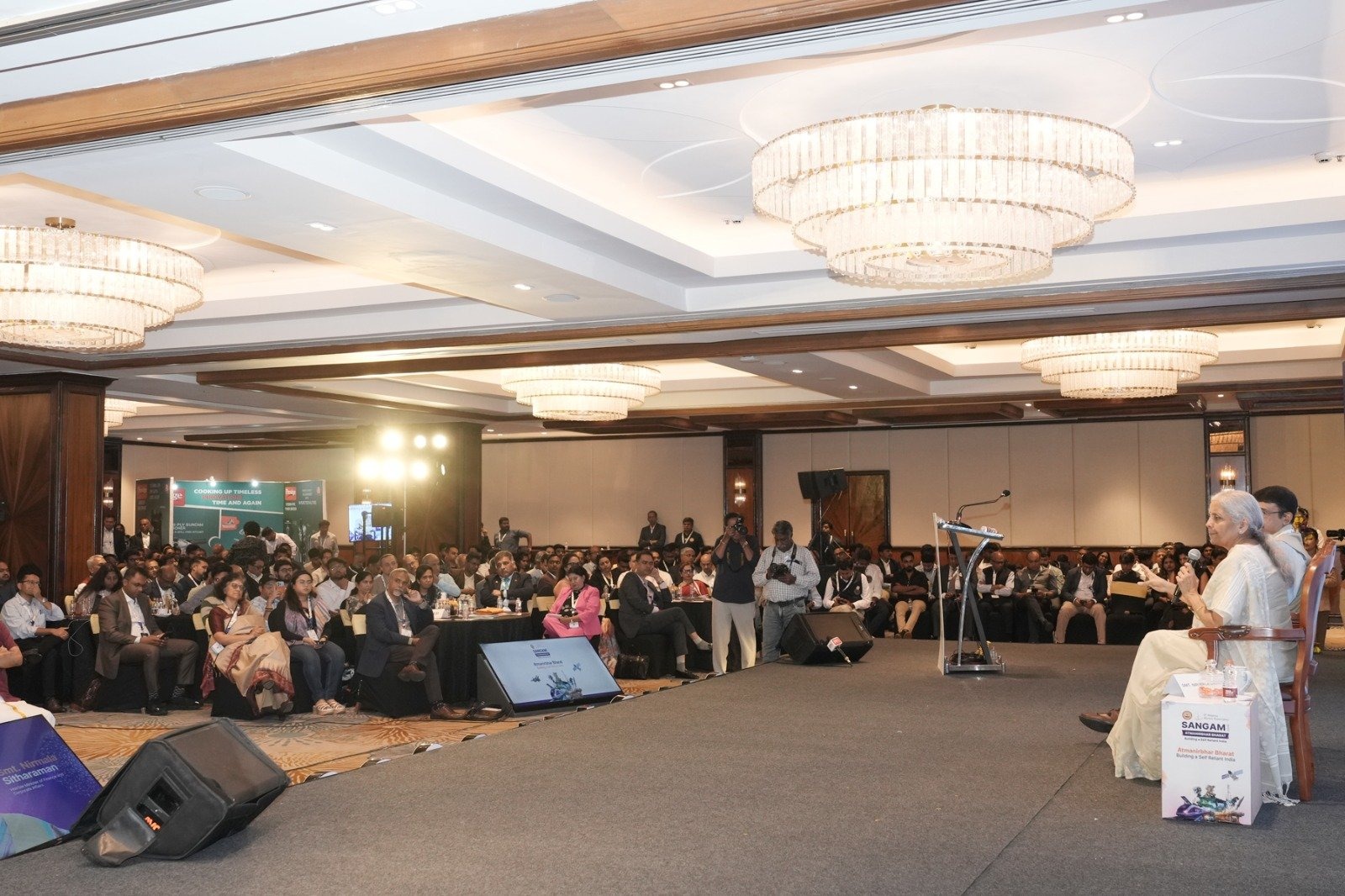
Finance Minister Nirmala Sitharaman has used the IIT Madras Alumni Association's Sangam 2026 in Bengaluru to put India's startup economy back inside a bigger national-growth argument. The message was not simply that startups are useful. It was that young technology companies now need to move from experimental promise to wider economic application, especially in sectors such as agriculture, space, AI, quantum technology and deep-tech hardware.
Sitharaman also pushed back against the idea that India has missed the AI or quantum opportunity. Her argument was that listed-company counts are a poor way to judge a technology race that is still being shaped by labs, research parks, startups and early-stage industrial adoption. She said the government remains open to policy suggestions that can support patient capital for deep-tech hardware startups, a point that will matter to founders building outside the faster software funding cycle.
The founder/operator signal was visible too. The PIB caption for one event image listed Zoho chief scientist and co-founder Dr Sridhar Vembu among participants, alongside IIT Madras leadership and senior public officials. That kind of mix is exactly what deep-tech founders often say they need: access to policy thinking, patient investors, applied research and operators who have already built durable Indian technology companies.
The launch of the IITM Unicorn Frontier Fund-I, initiated by Unicorn India Ventures with IIT Madras and IITM Research Park, gives the forum a practical edge. India has many startup events; fewer leave behind a financing vehicle tied to an engineering institution and research park. If the fund can back companies with longer gestation cycles, it may help bridge the gap between lab validation and commercial scale.
The risk is that the language of deep-tech becomes too broad. AI, drones, quantum, defence, space and hardware all need different capital timelines, procurement pathways and talent pools. The stronger reading of the Bengaluru discussion is therefore not that startups can solve every growth problem. It is that India's next startup phase will have to be more industrial, more research-linked and more patient than the app-led cycle that came before it.
Related Stories
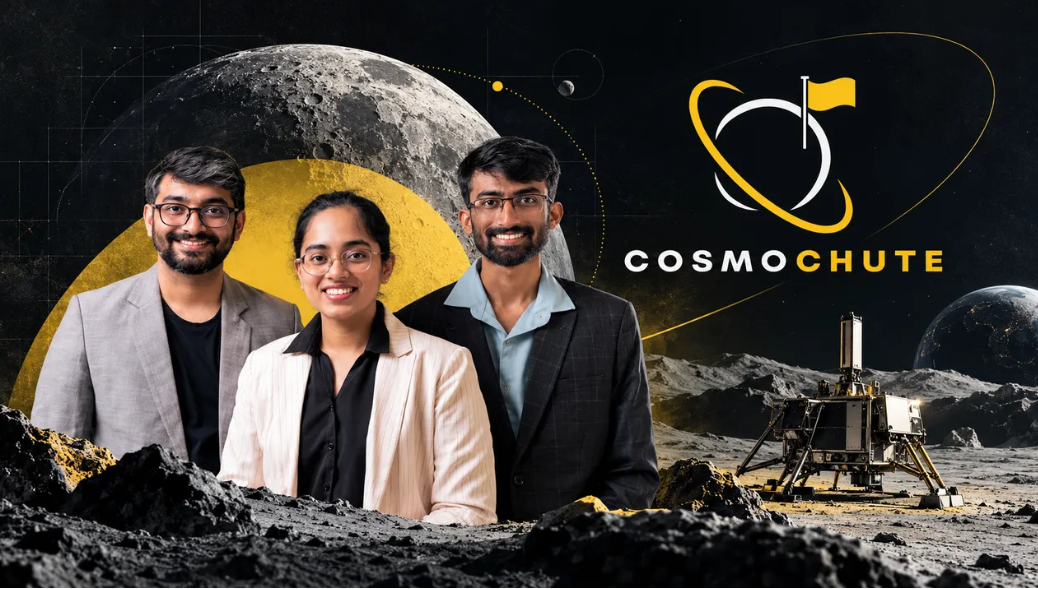
Cosmochute’s $1.5 million pre-seed round backs a lunar-infrastructure bet
Cosmochute has raised $1.5 million to develop reusable lunar-surface robotics, with its three founders now focused on product development and engineering hires.

Kitchen Secret's first outside round puts distribution at the centre of its next chapter
Mother-and-son founders Renuka and Manav Kedia have raised Kitchen Secret's first external round, with the sauce brand targeting wider quick-commerce and B2B distribution.
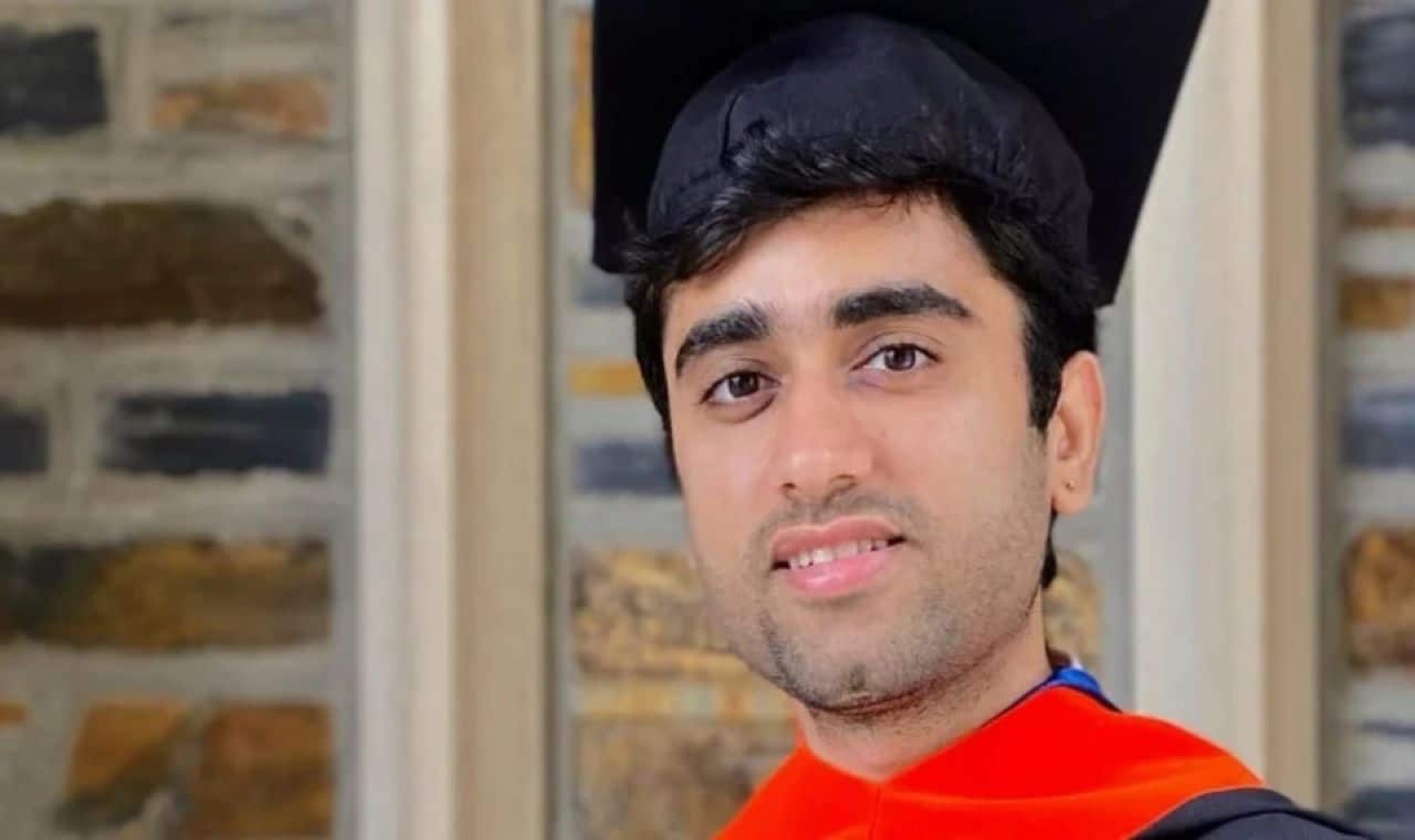
Empirical Machines Puts a Returning AI Researcher at the Centre of India’s Next Funding Test
Shyamal Hitesh Anadkat’s new venture is reported to be discussing a maiden institutional round, placing scientific AI work and founder execution in the spotlight.