Centre Approves Seven Bullet Train Corridors To Cut India City Travel Times
India's high-speed rail programme has moved into a wider national phase after the Centre approved seven new bullet train corridors aimed at cutting travel times between major cities. Times of India...
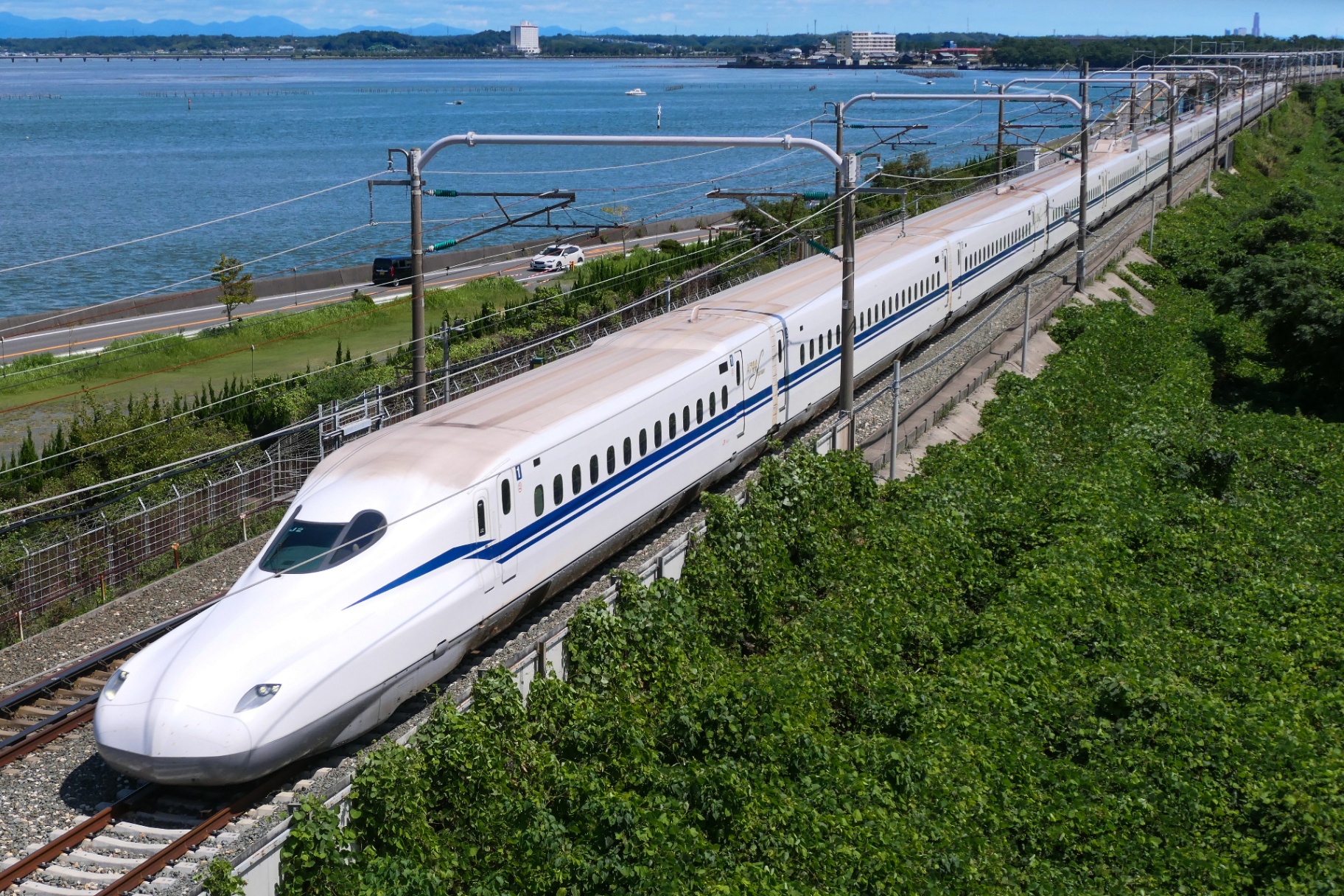
India's high-speed rail programme has moved into a wider national phase after the Centre approved seven new bullet train corridors aimed at cutting travel times between major cities. Times of India reported that the approved corridors include Mumbai-Ahmedabad, Mumbai-Pune, Bengaluru-Chennai, Bengaluru-Hyderabad, Pune-Hyderabad, Delhi-Lucknow, Delhi-Varanasi and Delhi-Siliguri. The reported city-pair timings are ambitious: Mumbai to Pune in 48 minutes, Bengaluru to Chennai in 73 minutes, Delhi to Lucknow in two hours, and Delhi to Varanasi in three hours and 15 minutes.
The announcement builds on India's first bullet train project, the 508-km Mumbai-Ahmedabad High-Speed Rail corridor, which is being developed with Japanese technical and financial assistance using the Shinkansen system. That project has been watched closely because it is the test case for land acquisition, station design, civil works, rolling stock, training, safety systems and public expectations. Approving more corridors before the first line is fully operational signals that the government wants high-speed rail to become a network strategy rather than a one-off prestige project.
The travel implications are easy to understand. If delivered as promised, high-speed rail could change the practical distance between cities. A two-hour Delhi-Lucknow journey would compete with air travel when airport access, security and boarding time are included. Bengaluru-Chennai in just over an hour could reshape business travel and weekend movement across two major southern metros. Mumbai-Pune in under an hour would alter one of western India's busiest intercity corridors.
The economic case is broader than passenger convenience. High-speed rail can support regional development, station-area investment, tourism, business meetings and labour mobility. But it also requires disciplined execution. Bullet train corridors need dedicated tracks, high safety standards, advanced signalling, reliable power and strong integration with metro, bus and conventional rail networks. If stations are difficult to reach, the time saved at high speed can be lost in city traffic. If fares are too high, the system may serve only a narrow slice of travellers.
The latest announcement also came alongside other railway expansion messages. The Times report said railway minister Ashwini Vaishnaw announced more than 200 new trains for Bihar over the next seven to eight years and projects worth more than Rs 1.15 lakh crore underway in the state. That context matters because high-speed rail should not distract from ordinary rail capacity. India needs both: fast premium corridors for dense city pairs and reliable affordable services for daily and long-distance passengers.
For travellers, the key point is that approval is not the same as opening day. The corridors now move into detailed planning, funding, land, engineering and construction questions. Timelines, stations, fares and operating models will decide whether the promise becomes a practical transport option. Still, the approval marks a clear policy direction. India is no longer treating bullet trains as only a Mumbai-Ahmedabad experiment. It is preparing for a high-speed rail map that could change how major cities relate to each other. The next public measure should be transparent progress reporting, because major transport projects earn confidence when citizens can see milestones, delays, costs and safety decisions clearly.
Related Stories

EIH And Bhartiya Plan 20 Luxury Resorts Starting With Coorg Kabini And Hampi
EIH Limited and Bhartiya Hospitality have announced a strategic partnership to develop and operate 20 luxury lifestyle resorts across India and selected...

Air India Phuket-Delhi Flight AI2379 Hits Severe Turbulence And Injures Passengers
An Air India flight from Phuket to Delhi has put turbulence safety back in focus after a severe mid-air incident injured passengers and crew before the...

India Identifies 40 Cities For Hub-Airport Travel And Cargo Clearance Model
India has identified 40 cities where passengers could benefit from liberalised airport immigration and cargo-screening rules under a hub-and-spoke aviation model.
