Data-Centre Demand Is Becoming A Serious Property Story For Indian Cities
India's property market is increasingly being shaped by a sector that most home buyers never visit: data centres.
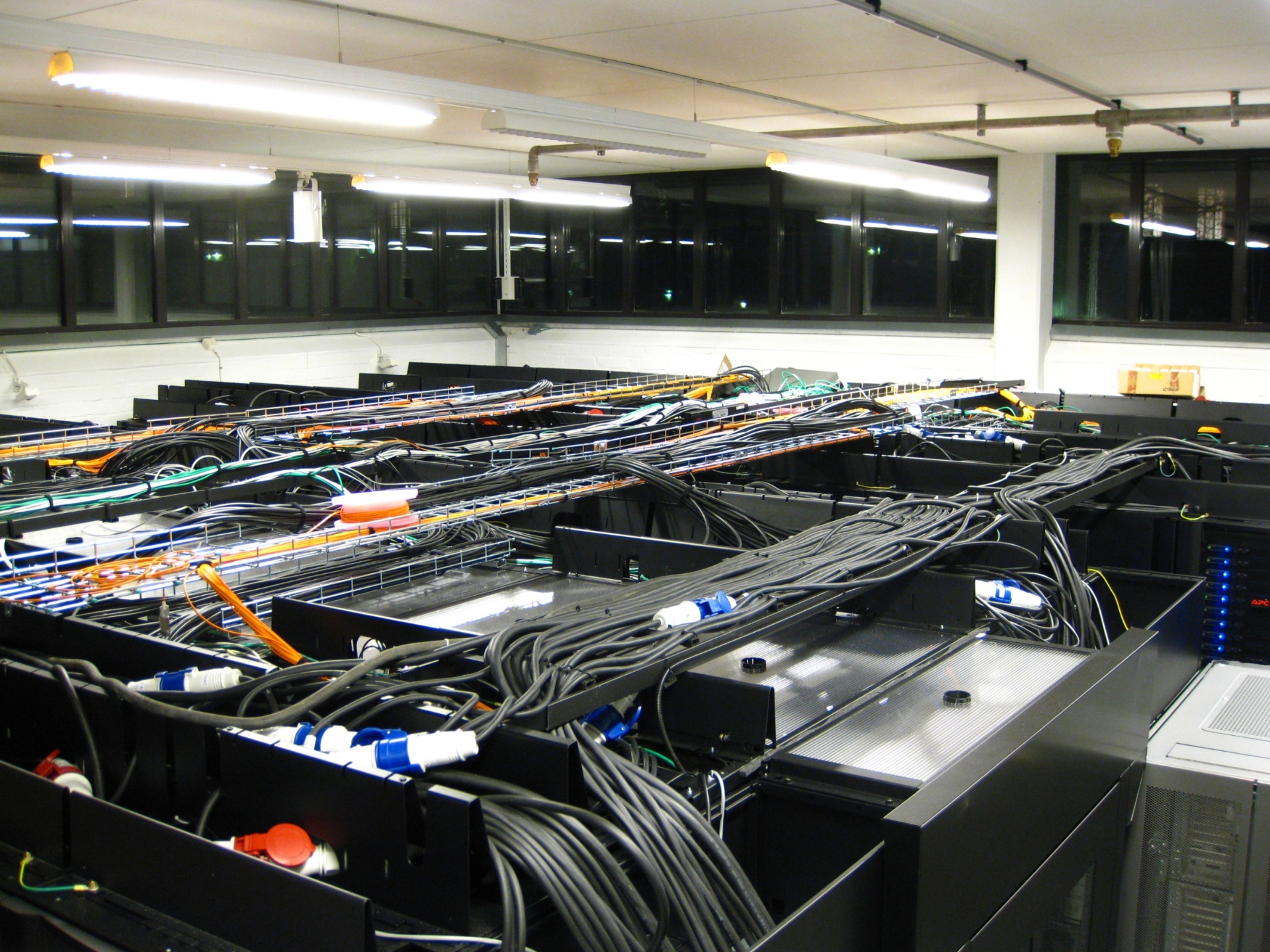
India's property market is increasingly being shaped by a sector that most home buyers never visit: data centres. As digital services, AI workloads, cloud storage, streaming, fintech and government platforms expand, the demand for secure, power-hungry, well-connected facilities is becoming a major real-estate story. It links land, electricity, fibre connectivity, cooling, zoning and investment in a way that conventional residential-market headlines often miss.
Business and industry coverage in India has repeatedly highlighted the growth of digital infrastructure, including data-centre capacity, investment interest and the role of large cities and industrial corridors. For today's property readers, the important point is that data centres are no longer a niche back-office asset. They are becoming part of the urban and peri-urban land economy.
A data centre is not simply an office building filled with computers. It needs reliable power, backup systems, fibre routes, cooling capacity, physical security and enough land or floorplate to scale. That makes site selection more specialised than ordinary commercial leasing. Locations near major consumption markets, submarine cable routes, business districts, industrial parks or renewable-power access can become valuable for reasons that are invisible in a normal housing advertisement.
For developers, this can open a new asset class. Warehousing and logistics have already changed how investors look at land outside city centres. Data centres can do something similar, especially in regions where power and connectivity are strong. However, the barriers are high. These projects require technical partners, long-term tenants, capital discipline and regulatory clarity. A developer cannot treat a data-centre shell like a generic commercial building.
For cities, the upside is investment and skilled jobs, but the pressure points are real. Data centres consume large amounts of electricity and water for cooling unless designed carefully. They can also compete for land and grid capacity. Local governments therefore need planning rules that recognise the economic value while forcing projects to manage energy efficiency, resilience, noise, security and environmental impact.
For residents, the effect may be indirect. A data-centre cluster can bring road upgrades, power infrastructure and commercial activity to an area, but it can also change land prices and industrial traffic. Unlike a mall or residential township, it will not necessarily create a vibrant street-level neighbourhood. Its value is mostly invisible: keeping apps, payments, government services, banking systems and enterprise tools running with low latency.
The property-market lesson is that India's real-estate future will not be only about apartments, malls and offices. Digital infrastructure is now part of the built environment. Investors who understand power, cooling, fibre and regulation may see opportunities that traditional property analysis overlooks. At the same time, hype should be avoided. Not every plot near a city can become a viable data-centre site, and not every announcement will translate into operating capacity.
The safest conclusion is that data centres have moved from technology pages into property strategy. As India digitises, the buildings that hold its data will influence land demand, infrastructure planning and investment flows. The next question is whether cities can host that growth in a way that is efficient, transparent and environmentally responsible.
Related Stories

India Post Clears ₹4,000 Crore in a Quarter for the Second Time
India Post reported first-half revenue of ₹8,212.7 crore, with parcel income up 71% year on year in the July–September quarter.

IIM Lucknow's Family-Business MBA Treats Succession As A Management Skill
The two-year programme, starting in July 2027, is aimed at business owners and next-generation leaders who need governance, succession and growth tools.

Fusion CX IPO Puts Kolkata's AI-Enabled Service Firm On The Market Clock
The Rs 702 crore issue opens on October 14 with a Rs 275-289 price band and a fresh-issue component aimed partly at reducing debt.