Parliament Adjourns As Anti-Paper Leak Bill Faces Opposition Uproar
Parliament ended Monday in another confrontation over public examinations after the government introduced the Public Examinations (Prevention of Unfair Means) Amendment Bill, 2026 and opposition MPs demanded a statement on alleged police action against student protesters.
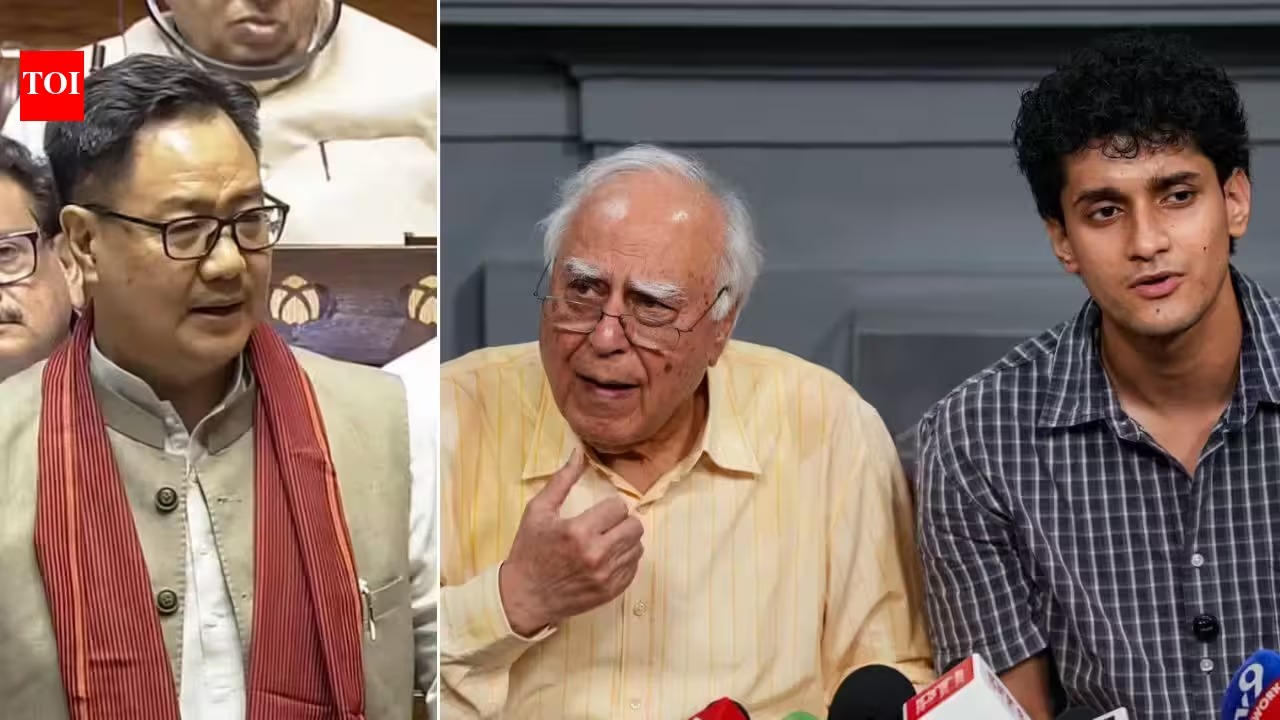
Parliament ended Monday in another confrontation over public examinations after the government introduced the Public Examinations (Prevention of Unfair Means) Amendment Bill, 2026 and opposition MPs demanded a statement on alleged police action against student protesters. The development was selected for today because it is recent, source-verifiable and relevant to The Indian Daily Post audience across India and the diaspora.
The verified facts are clear. Times of India reported that both Houses were adjourned for the day amid sloganeering. The bill seeks tougher punishment for organised examination offences, including prison terms of up to 10 years and fines that can reach Rs 10 crore for organised rackets. The proposal includes Special Fast Track Courts and would strengthen the anti-paper leak law passed in 2024. Inc42 separately reported that Prime Minister Narendra Modi has formed a task force led by Infosys cofounder Nandan Nilekani to recommend technology-driven examination reforms. These points come from the source material recorded in the internal pack, and source URLs are intentionally excluded from the public copy.
The issue matters because exam leaks do not only disrupt tests; they damage trust in recruitment, admissions and public institutions for millions of students and families. The wider context is that Indian readers need straight, usable reporting that separates confirmed developments from speculation. This story has immediate public relevance because it affects decisions by citizens, businesses, travellers, investors, students, regulators or local authorities.
The practical impact will vary by audience. Students, parents and coaching centres should watch whether Parliament produces enforceable protections rather than only harsher post-leak penalties. For many readers, the headline is only the starting point. The useful question is what changes now, who is responsible for the next step, and what signs would show that the announcement is turning into real-world action.
There are also limits to what can be said today. The available source material confirms the main development and the key numbers or official positions, but it does not prove every downstream consequence. The safest reading is therefore cautious: treat the reported facts as the base, avoid claims that go beyond them, and watch for official updates, company statements, court records, regulatory filings or local advisories as the story develops.
The next test is whether the government can combine legal penalties with secure exam logistics, audit trails, fast investigations and credible responses to protest-related complaints. This is the part of the story that will matter after the first news cycle. A strong announcement can fade if implementation is weak, while a technical administrative step can become important if it improves everyday outcomes.
The story will be worth revisiting if fresh evidence changes the scale, timing or accountability picture. Until then, the responsible approach is to publish the verified core, give readers the operational context, and avoid filling gaps with assumptions. That keeps the article useful without overstating what the sources currently support.
Related Stories

Supreme Court Orders Release Of Under-18 NEET Protesters And Digital Data Safeguards
The Supreme Court has turned the July 20 NEET protest policing row into a national accountability question by ordering immediate safeguards for detained young protesters and digital material collected during the demonstrations.

Omar Abdullah Announces July 20 Delhi Protest For Jammu And Kashmir Statehood
The National Conference will protest at Jantar Mantar on July 20, the opening day of Parliament's Monsoon Session, pressing the Centre for a statehood restoration timeline.

Ram Temple Trust Official Resigns After Ayodhya Donation Theft Allegations
A senior Ram Temple trust official has resigned after allegations of donation theft in Ayodhya, turning a religious-institution story into a governance and accountability issue.