Ladakh Groups Call June 23 Shutdown After Centre Meeting Minutes Dispute
Ladakh's two main representative platforms have called a region-wide shutdown on 23 June after accusing the Union government of leaving key decisions out of the official record of a May 22 meeting on...
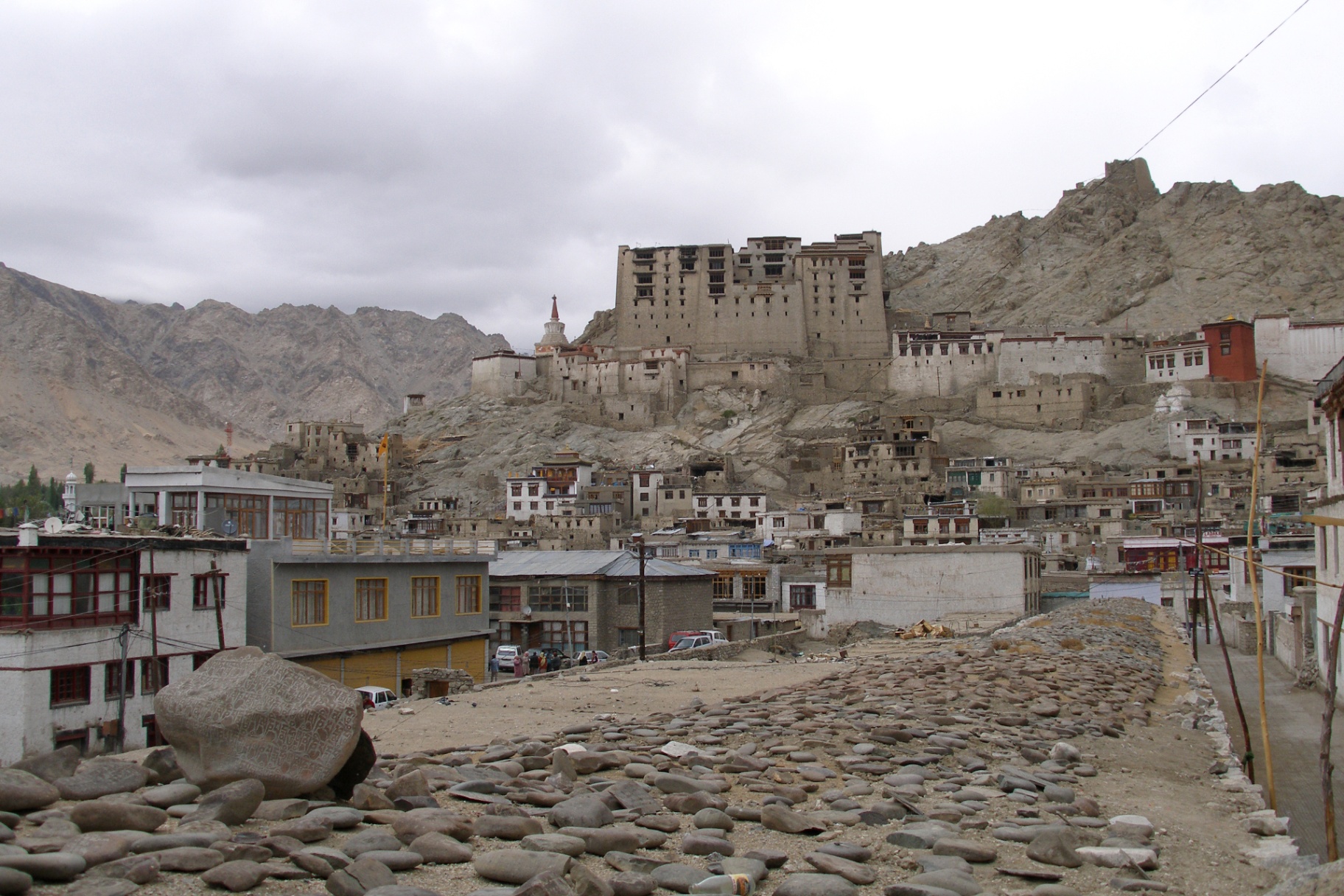
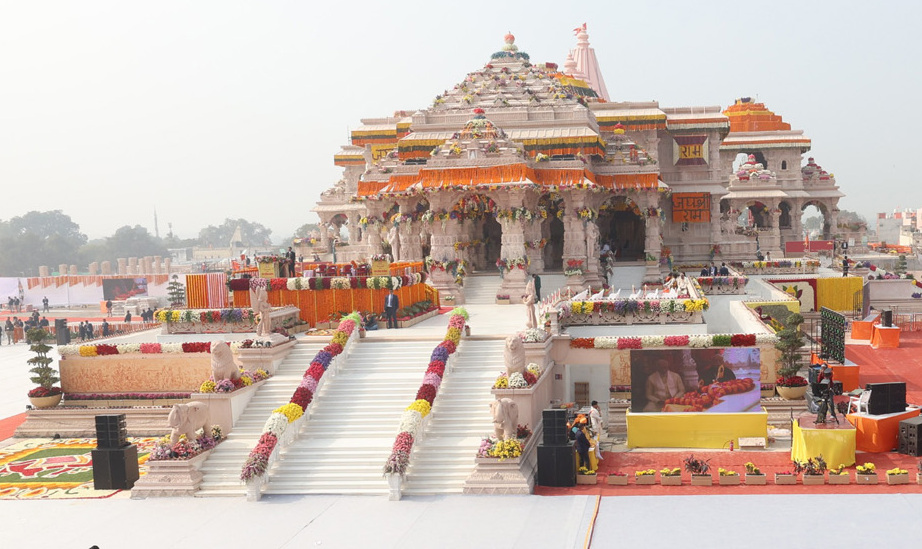
Ladakh's two main representative platforms have called a region-wide shutdown on 23 June after accusing the Union government of leaving key decisions out of the official record of a May 22 meeting on the territory's political future. The Leh Apex Body and the Kargil Democratic Alliance said the omission had deepened mistrust with the Centre at a sensitive point in negotiations over constitutional safeguards, local accountability and the balance of power between elected representatives and the Union Territory administration.
The Economic Times reported that the shutdown call followed claims that decisions discussed at the meeting were not reflected in the minutes circulated later. Times of India also reported that Ladakhi groups were unhappy with the official record and warned that earlier understandings on protections for the region had not been properly captured. Local coverage in Jammu Links placed the dispute in the same frame: the issue is not only one meeting note, but whether Ladakh's representatives believe the talks process is being recorded and honoured fairly.
The dispute matters because Ladakh's political settlement has remained unsettled since the region became a Union Territory in 2019. Local groups have repeatedly sought constitutional safeguards, more local control and stronger protection for land, jobs, culture and the environment. The Centre has signalled support for protections under Article 371, but the practical scope of those protections remains contested. For many residents, the question is whether future arrangements will give elected representatives meaningful authority or leave core decisions with administrators appointed from outside the region.
The shutdown call is also a test of trust. Negotiations over autonomy and safeguards depend on a shared record of what has been discussed. If one side believes the minutes leave out important commitments, the process itself becomes harder to sustain. That is why the immediate argument over paperwork has turned into a wider political message. Ladakh's representatives are saying that procedural clarity is inseparable from substantive safeguards.
For the Centre, the challenge is to keep talks open without letting the dispute harden into another cycle of protest and disengagement. A clear public explanation of what was agreed, what remains under discussion and what legal path is being considered would reduce uncertainty. For Ladakh's groups, the shutdown is a way to show public pressure before the next stage of talks. It also signals that demands for statehood and Sixth Schedule-style protections can return with force if safeguards are seen as diluted.
The practical stakes are high. Ladakh is strategically important, environmentally fragile and politically distinct from many other parts of India. Its people are asking for assurances that local identity, livelihoods and land will not be weakened by administrative decisions made without local consent. The 23 June shutdown will not settle those questions, but it will show how fragile the talks process has become. The next useful step is not another slogan from either side; it is a corrected, trusted record of the negotiations and a timetable for the safeguards still being debated. That would give residents, officials and negotiators a common factual base before positions harden further.
Related Stories

Supreme Court Orders Release Of Under-18 NEET Protesters And Digital Data Safeguards
The Supreme Court has turned the July 20 NEET protest policing row into a national accountability question by ordering immediate safeguards for detained young protesters and digital material collected during the demonstrations.
Parliament Adjourns As Anti-Paper Leak Bill Faces Opposition Uproar
Parliament ended Monday in another confrontation over public examinations after the government introduced the Public Examinations (Prevention of Unfair Means) Amendment Bill, 2026 and opposition MPs demanded a statement on alleged police action against student protesters.

Omar Abdullah Announces July 20 Delhi Protest For Jammu And Kashmir Statehood
The National Conference will protest at Jantar Mantar on July 20, the opening day of Parliament's Monsoon Session, pressing the Centre for a statehood restoration timeline.