IMD Warns Northeast India West Bengal And Bihar Of Heavy Rain Through Midweek
IMD has flagged heavy to very heavy rainfall in northeast India, West Bengal and Bihar with thunderstorms, lightning and rough seas across the central and eastern Arabian Sea.
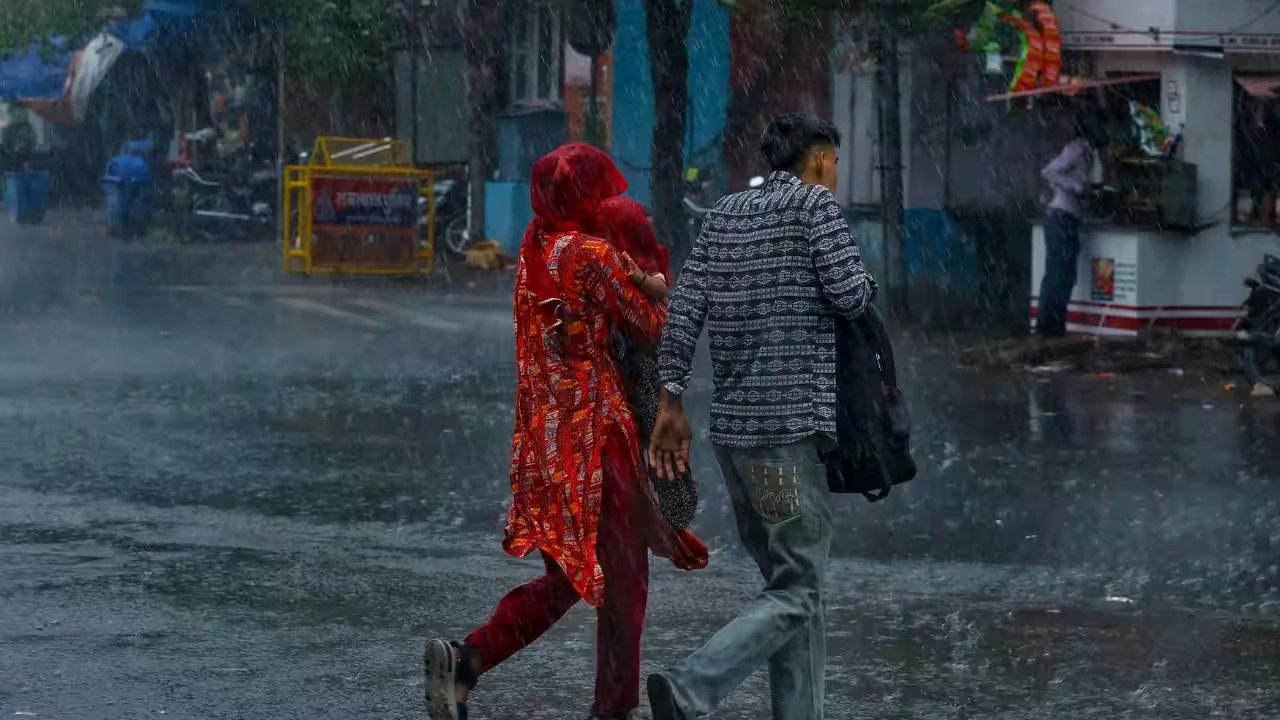
The India Meteorological Department has warned of heavy to very heavy rainfall in parts of northeast India, West Bengal and Bihar, with thunderstorms, lightning and gusty winds expected across several regions over the next few days. The active monsoon pattern is likely to keep rainfall concentrated over eastern and northeastern India while parts of northwest and western India see weaker activity. The forecast also includes warnings for rough sea conditions, with wind speeds in parts of the central and eastern Arabian Sea likely to reach up to 55 kilometres per hour.
The warning is important because monsoon rainfall is not only a weather story. It affects roads, railways, flights, crops, power supply, school operations and public health. Heavy rain in sub-Himalayan West Bengal, Bihar and the northeast can produce local flooding, landslides, waterlogging and river-level concerns. Thunderstorms and lightning add another risk, especially in rural and semi-urban areas where people may be working outdoors. Fishermen have been advised to avoid affected sea areas.
The regional split is also notable. Delhi-NCR is expected to remain hot and humid with no major temperature change, while Tamil Nadu and Puducherry may see temperatures rise above normal in many areas. Western Rajasthan is expected to stay mostly dry, with possible dust storms in parts of the Jodhpur and Bikaner divisions. Odisha is likely to see thunderstorms, lightning and rainfall over several days, with yellow alerts in some districts.
For farmers, this unevenness matters. Heavy rain can replenish soil moisture and water bodies, but excessive rainfall can damage standing crops, delay field operations and increase pest or disease pressure. In areas where the monsoon is weak, farmers may face a different challenge: planning sowing and irrigation around uncertain rainfall.
The practical advice is simple but serious. Residents in alert districts should avoid unnecessary travel during intense spells, stay away from flooded underpasses and open drains, and treat lightning warnings as a real safety risk. Local administrations should keep pumps, shelters, medical teams and transport advisories ready.
Businesses should also pay attention. Logistics companies, food suppliers and construction sites often feel monsoon disruption before it becomes a headline. Schools and offices in vulnerable areas should have clear communication channels for closures or delayed openings.
Related Stories
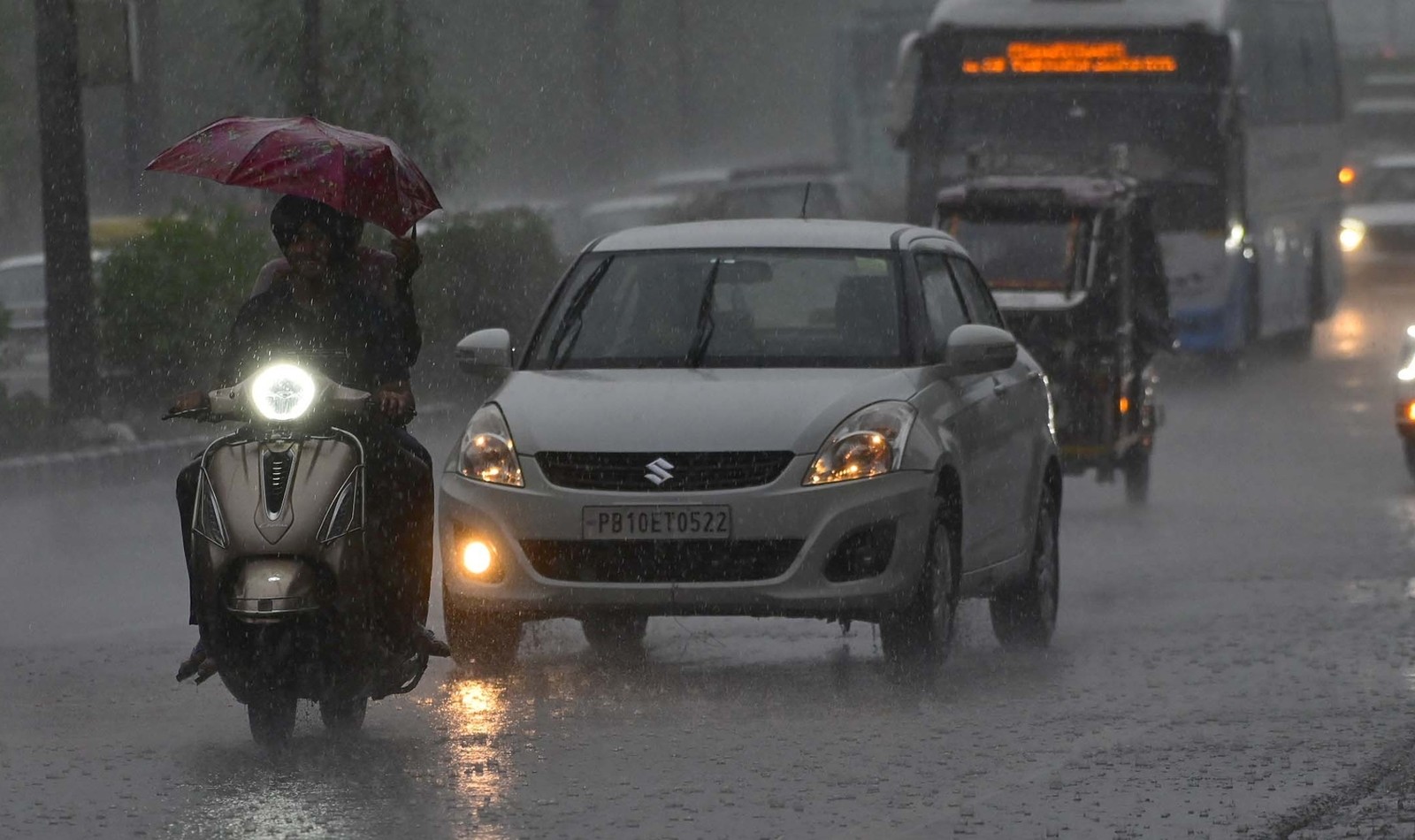
Delhi's Red-Alert Rain Turns A Weather Break Into A Commute Stress Test
Heavy rain, thunderstorms and an IMD red alert brought cooler air but also waterlogging and morning traffic risk across the National Capital Region.
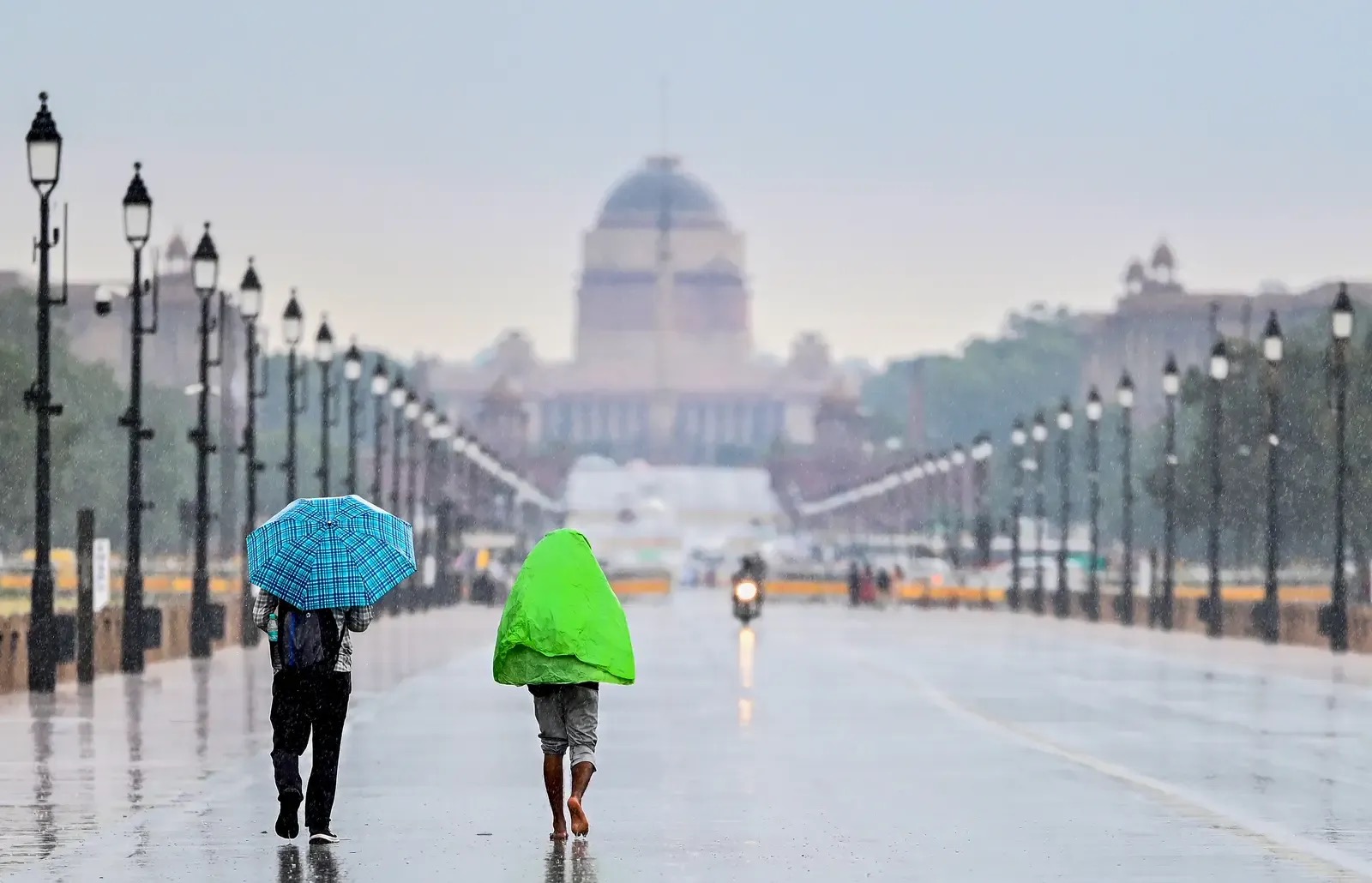
Delhi's Weekend Rain Window Comes With A Dust-Control Warning
Rain, thunderstorms and winds up to 50 kmph may give Delhi-NCR temporary relief, but high minimum temperatures and construction dust keep the air-quality risk alive.
Delhi's Partly Cloudy Forecast Keeps The AQI Watch In Place
IMD's local forecast for New Delhi-Safdarjung shows partly cloudy skies on October 8 after the scattered-rain window, with temperatures expected around 34 and 22 degrees Celsius.