Karnataka Fast-Tracks 13 Ropeway Projects To Lift Tourism Access
Karnataka's tourism department is pushing statutory approvals for 13 PPP ropeway projects, with RITES leading feasibility work on hill, temple and fort routes.
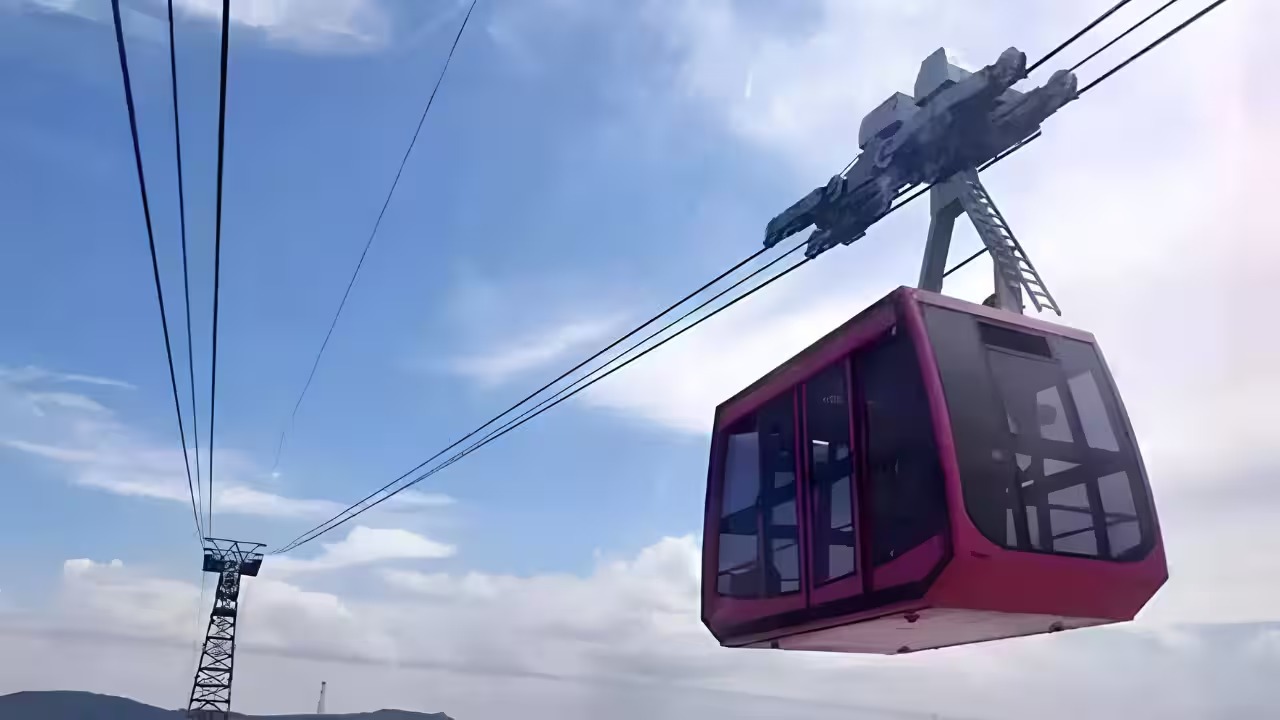
Karnataka's tourism department is moving to fast-track 13 ropeway projects across the state after years of delay, with officials now being pushed to secure statutory approvals before tenders are floated. Tourism minister KJ George issued the direction during a high-level review meeting with tourism secretary KV Trilok Chandra and other officials. The projects are proposed under the public-private partnership model, making approvals and feasibility work critical before private bidders can commit capital.
The proposed ropeways are part tourism infrastructure, part access project. Hill stations, temple sites, forts and difficult terrain can draw visitors, but only if the journey is practical, safe and manageable for families, elderly travellers and people with limited mobility. Ropeways can reduce travel time and create new visitor experiences, but they also require forest, environment, safety, land and local approvals.
Tourism commissioner V Ram Prasath Manohar is expected to visit New Delhi to coordinate with Union ministries and expedite clearances. RITES has been entrusted with feasibility studies for all 13 projects. Among the five projects where feasibility studies have been delayed is the Mullayanagiri Ropeway Project, announced in the 2026-27 budget, with its report sought by August 13. Other pending feasibility reports include Holalamma Temple in Gadag, Kalakaleshwara Temple in Gadag, Savadatti Yellamma Temple in Belagavi and Yadgir Fort in Yadgir. The Gokak Ropeway Project has received Finance Department approval.
For Karnataka, the economic case is straightforward. Better access can increase visits, extend tourist stays and create demand for local guides, hotels, restaurants, transport operators and vendors. Ropeways can also help spread tourism beyond already crowded destinations. But the environmental and safety questions cannot be treated as paperwork.
The public-private partnership model adds another layer. Private operators need confidence that demand will justify investment, while the government has to protect public access, ticket affordability and safety obligations. Karnataka's fast-track push will therefore be judged not only by the number of tenders issued, but by the quality of the approvals, contracts and local consultation behind them.
Local communities will be central to that judgement. Ropeways can bring jobs and footfall, but they can also change traffic patterns, land use and pressure on fragile sites. Villages and temple towns near proposed routes will want clarity on parking, waste management, vendor access and revenue-sharing opportunities.
Related Stories

EIH And Bhartiya Plan 20 Luxury Resorts Starting With Coorg Kabini And Hampi
EIH Limited and Bhartiya Hospitality have announced a strategic partnership to develop and operate 20 luxury lifestyle resorts across India and selected...

Air India Phuket-Delhi Flight AI2379 Hits Severe Turbulence And Injures Passengers
An Air India flight from Phuket to Delhi has put turbulence safety back in focus after a severe mid-air incident injured passengers and crew before the...

India Identifies 40 Cities For Hub-Airport Travel And Cargo Clearance Model
India has identified 40 cities where passengers could benefit from liberalised airport immigration and cargo-screening rules under a hub-and-spoke aviation model.
