Supreme Court Seeks Aviation Rules As Airfare And Passenger Rights Case Continues
The Supreme Court has directed the Centre to submit rules under the Bharatiya Vayuyan Adhiniyam, 2024 within two weeks as it hears a petition seeking stronger airfare and passenger protection.
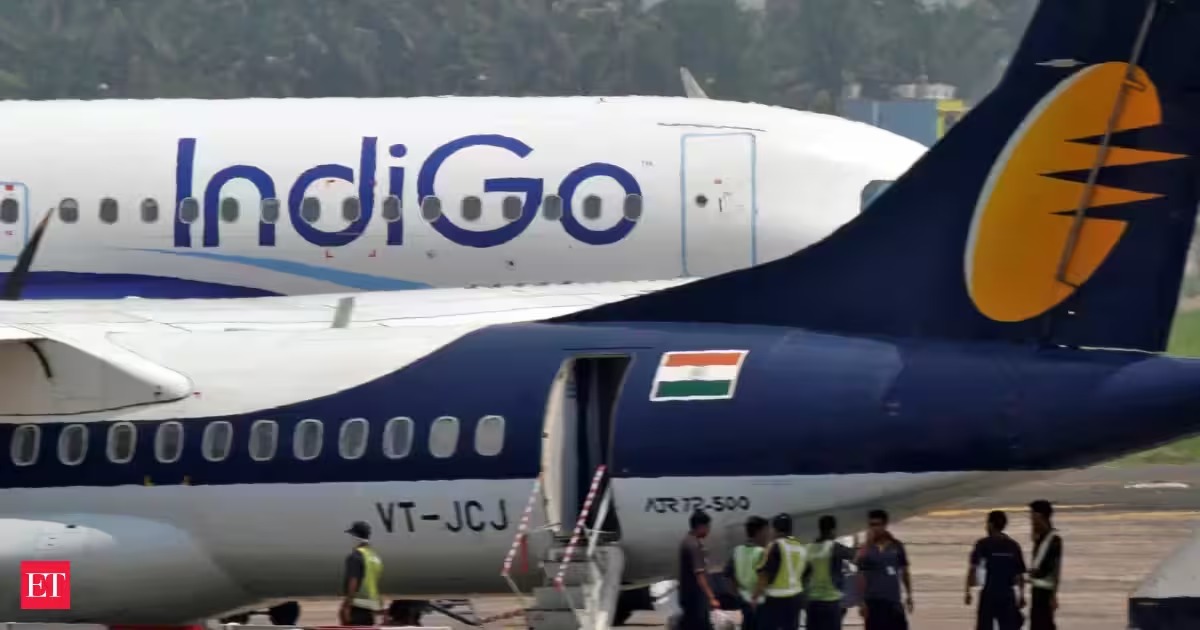
The Supreme Court has directed the Centre to submit the rules framed under the Bharatiya Vayuyan Adhiniyam, 2024 within two weeks, bringing a passenger rights and airfare regulation case back into focus at a time when Indian air travel is expanding quickly. A bench of Justices Vikram Nath and Sandeep Mehta asked for the rules to be placed before the court in a sealed cover, whether or not they had already been tabled in Parliament. The matter is scheduled for further hearing on August 3.
The case arises from a petition by social activist S. Laxminarayanan seeking stronger oversight of the civil aviation sector. The petition raises concerns about arbitrary airfare hikes, ancillary charges, reduced free check-in baggage allowance and the lack of an independent body with power to review or cap airfares and related fees. Senior advocate Ravindra Srivastava, appearing for the petitioner, argued that India needs a robust and independent regulatory mechanism for passenger protection and transparency in aviation pricing.
For travellers, the case speaks to a familiar frustration. Airfares can rise sharply during festivals, school holidays, emergencies, bad weather disruptions and peak routes where supply is limited. Airlines argue that dynamic pricing reflects demand, cost, aircraft availability and commercial risk. Passengers often see the same system as opaque, especially when base fares, baggage charges, seat fees and convenience charges make the final cost difficult to compare.
The government side told the court that draft rules under the Bharatiya Vayuyan Adhiniyam are ready and are undergoing translation before being placed before Parliament. That detail matters because the Act came into force in January 2025, but corresponding rules are needed to make the framework operational in practice. Until those rules are finalised, older regulatory arrangements continue to shape the sector.
The outcome could affect airlines, airports and passengers. A strict fare-control approach might help consumers during surge periods but could also limit airline flexibility on thin-margin routes. A disclosure-led approach could force clearer presentation of baggage, seat and ancillary fees without directly setting prices. An independent regulator could sit somewhere between those models.
The case also arrives as more first-time flyers enter the market from smaller cities. Those passengers may be less familiar with fare classes, baggage rules, cancellation windows and add-on charges. A clearer rulebook would help them compare tickets before purchase and challenge unfair treatment after disruption.
Related Stories

EIH And Bhartiya Plan 20 Luxury Resorts Starting With Coorg Kabini And Hampi
EIH Limited and Bhartiya Hospitality have announced a strategic partnership to develop and operate 20 luxury lifestyle resorts across India and selected...

Air India Phuket-Delhi Flight AI2379 Hits Severe Turbulence And Injures Passengers
An Air India flight from Phuket to Delhi has put turbulence safety back in focus after a severe mid-air incident injured passengers and crew before the...

India Identifies 40 Cities For Hub-Airport Travel And Cargo Clearance Model
India has identified 40 cities where passengers could benefit from liberalised airport immigration and cargo-screening rules under a hub-and-spoke aviation model.
