Omar Abdullah Announces July 20 Delhi Protest For Jammu And Kashmir Statehood
The National Conference will protest at Jantar Mantar on July 20, the opening day of Parliament's Monsoon Session, pressing the Centre for a statehood restoration timeline.
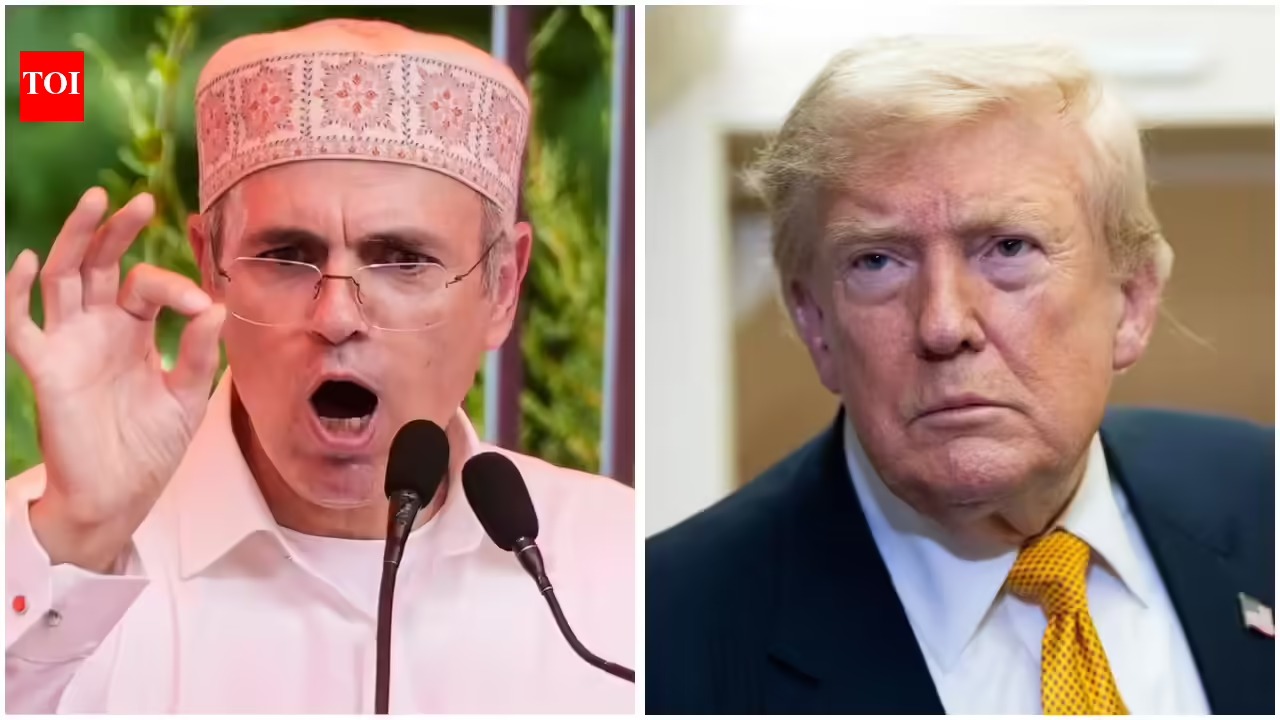
Jammu and Kashmir Chief Minister Omar Abdullah has raised the political temperature around the demand for restoration of statehood, announcing that the National Conference will hold a protest at Jantar Mantar in New Delhi on July 20, the opening day of Parliament's Monsoon Session. Abdullah used a rally in Jammu to criticise the Centre over delays and to argue that repeated demands for a timeline have produced only vague assurances. The protest is being framed by the National Conference as a democratic push for a promise it says has remained unresolved for too long.
The timing is deliberate. Holding the protest on the first day of the Monsoon Session places the statehood issue directly beside national legislative business and media attention in Delhi. It also signals that the National Conference does not want the demand confined to Srinagar or Jammu. Abdullah's message was that protests in the Assembly, within Jammu and Kashmir and outside Parliament have all been dismissed by BJP leaders as ineffective. By moving to Jantar Mantar, he is trying to turn a regional constitutional demand into a national political question again.
The politics are sensitive because statehood is not a symbolic matter for Jammu and Kashmir. It affects the powers of elected representatives, the relationship between the local government and the Centre, and the accountability structure through which citizens judge governance. For Abdullah, the issue is also tied to political legitimacy. His government can be judged on administration, but it also operates under a constitutional arrangement that many voters view as incomplete.
The Centre has previously said statehood would be restored at an appropriate time. That phrase has become part of the dispute. Supporters of restoration argue that an undefined timeline makes democratic accountability weaker and leaves elected institutions looking subordinate. The BJP and central government side have generally linked the issue to security, stability and the broader post-reorganisation settlement. That difference is why the July 20 protest could become an early flashpoint of the session.
Abdullah's challenge is to keep the protest focused and credible. A statehood campaign can attract broad support in Jammu and Kashmir, but it also has to avoid being seen as partisan theatre in Delhi. The National Conference will want to show that the issue is about democratic restoration rather than only party advantage. The Centre's response will be watched just as closely. If it offers no timeline, the statehood demand is likely to stay alive through the session.
The protest will also test opposition coordination inside and outside Parliament. Other parties may support the demand in principle, but the intensity of that support will depend on the session's wider agenda and competing national issues. For Jammu and Kashmir voters, the question is more direct: whether elected representatives can convert a long-running promise into a dated process.
Related Stories

Supreme Court Orders Release Of Under-18 NEET Protesters And Digital Data Safeguards
The Supreme Court has turned the July 20 NEET protest policing row into a national accountability question by ordering immediate safeguards for detained young protesters and digital material collected during the demonstrations.
Parliament Adjourns As Anti-Paper Leak Bill Faces Opposition Uproar
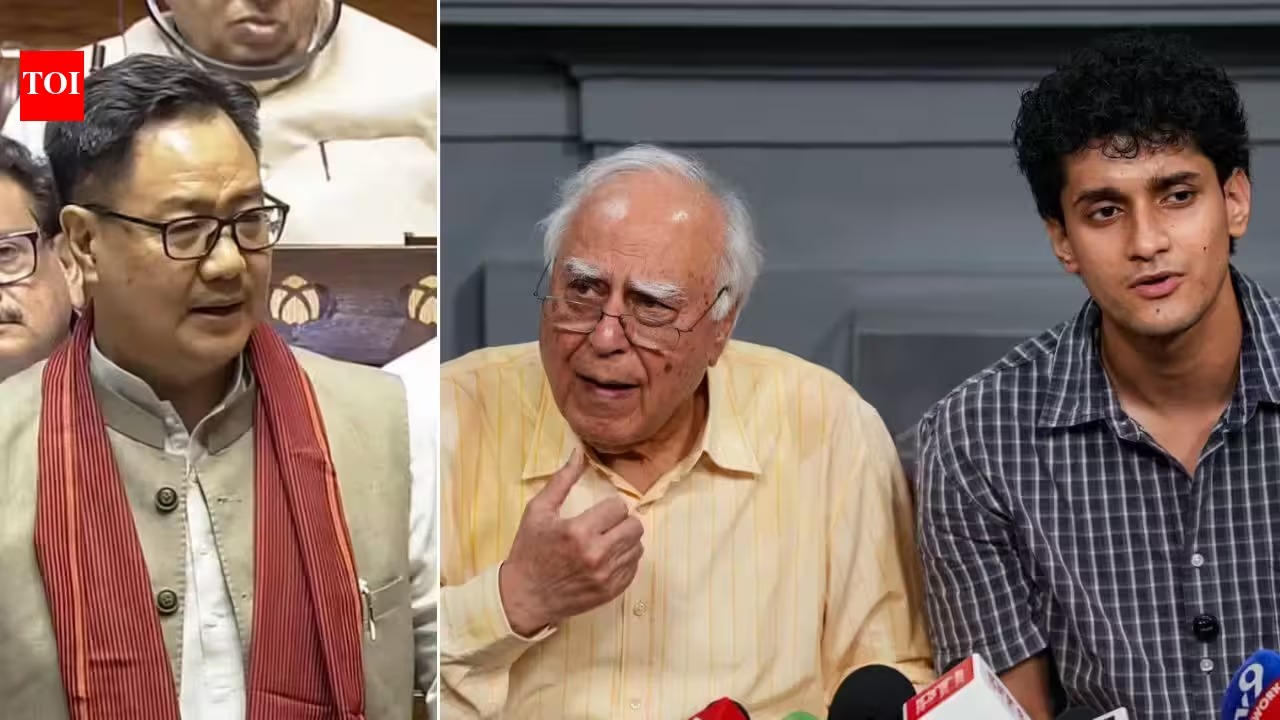
Parliament ended Monday in another confrontation over public examinations after the government introduced the Public Examinations (Prevention of Unfair Means) Amendment Bill, 2026 and opposition MPs demanded a statement on alleged police action against student protesters.
Ram Temple Trust Official Resigns After Ayodhya Donation Theft Allegations
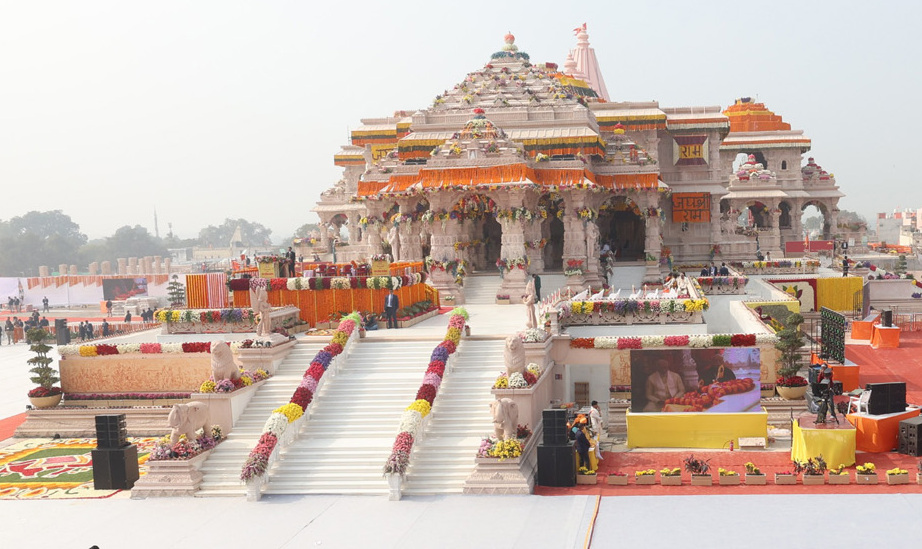
A senior Ram Temple trust official has resigned after allegations of donation theft in Ayodhya, turning a religious-institution story into a governance and accountability issue.