Tejasvi Surya Seeks Bengaluru Development Minister As Civic Delays Fuel Accountability Row
Tejasvi Surya's demand for a fully empowered Bengaluru development minister turns civic frustration into a wider debate over urban accountability, infrastructure control and governance.
Bengaluru South MP Tejasvi Surya has turned a city-management argument into a sharper political campaign by demanding a fully empowered minister for Bengaluru's development. The Economic Times reported that Surya launched the campaign on Monday, arguing that the city does not have clear administrative accountability at a time when civic and infrastructure problems remain visible. His criticism is directed at the Karnataka government after DK Shivakumar assumed the chief minister's office, with questions over how different urban agencies are being controlled.
The issue sounds bureaucratic, but it matters because Bengaluru's problems are rarely confined to one department. Flooding after rain, slow road repairs, Metro delays, airport connectivity, peripheral growth, lake protection, traffic management and land-use planning all require coordination. If the Bengaluru Development Authority, Bengaluru Metropolitan Region Development Authority, Greater Bengaluru Authority and proposed corporations answer to different centres of power, residents can struggle to know who is responsible when work stalls.
Surya's stated demand is for a minister with authority over all key agencies so citizens can identify one accountable political office. The state government may see the campaign as an opposition attack, but the underlying governance concern is real. Large metropolitan regions often fail not because no plan exists, but because too many agencies hold pieces of the same problem. Roads are dug for one project, drainage remains the responsibility of another body, public transport is planned on a different schedule and citizens are left with disruption rather than delivery.
Bengaluru is especially exposed because its economy depends on credibility. The city sells itself as India's technology capital and a global hub for services, start-ups and skilled labour. That reputation can absorb ordinary urban stress, but it suffers when flooding, congestion and infrastructure delays become recurring symbols of administrative drift. Investors and employers watch governance quality because it affects employee movement, office planning, housing costs and business continuity.
The political danger for the state government is that city frustration cuts across party lines. A resident stuck on a damaged road or delayed Metro corridor is less interested in departmental structure than in outcome. Still, structure determines outcome. If authority is split without a clear escalation path, every delay can become someone else's file. A dedicated minister would not solve every problem by appointment alone, but it could make responsibility harder to evade.
The campaign also raises a wider question for Indian cities. Metropolitan governance has not kept pace with urban growth. Cities that drive state revenues often remain governed through overlapping authorities, legacy municipal limits and state-level politics. Bengaluru's debate is therefore not only about one MP or one chief minister. It is about whether large cities need clearer executive command for infrastructure and service delivery.
Surya has said his office will keep reminding the chief minister through social media until the demand is met. The state government will decide whether to dismiss the campaign or answer it with a clearer structure. For Bengaluru's residents, the useful test is simple: after the politics, who can be held responsible for roads, drains, Metro timelines and growth planning? Until that answer is clear, the accountability row will keep finding an audience.
Related Stories

Supreme Court Orders Release Of Under-18 NEET Protesters And Digital Data Safeguards
The Supreme Court has turned the July 20 NEET protest policing row into a national accountability question by ordering immediate safeguards for detained young protesters and digital material collected during the demonstrations.
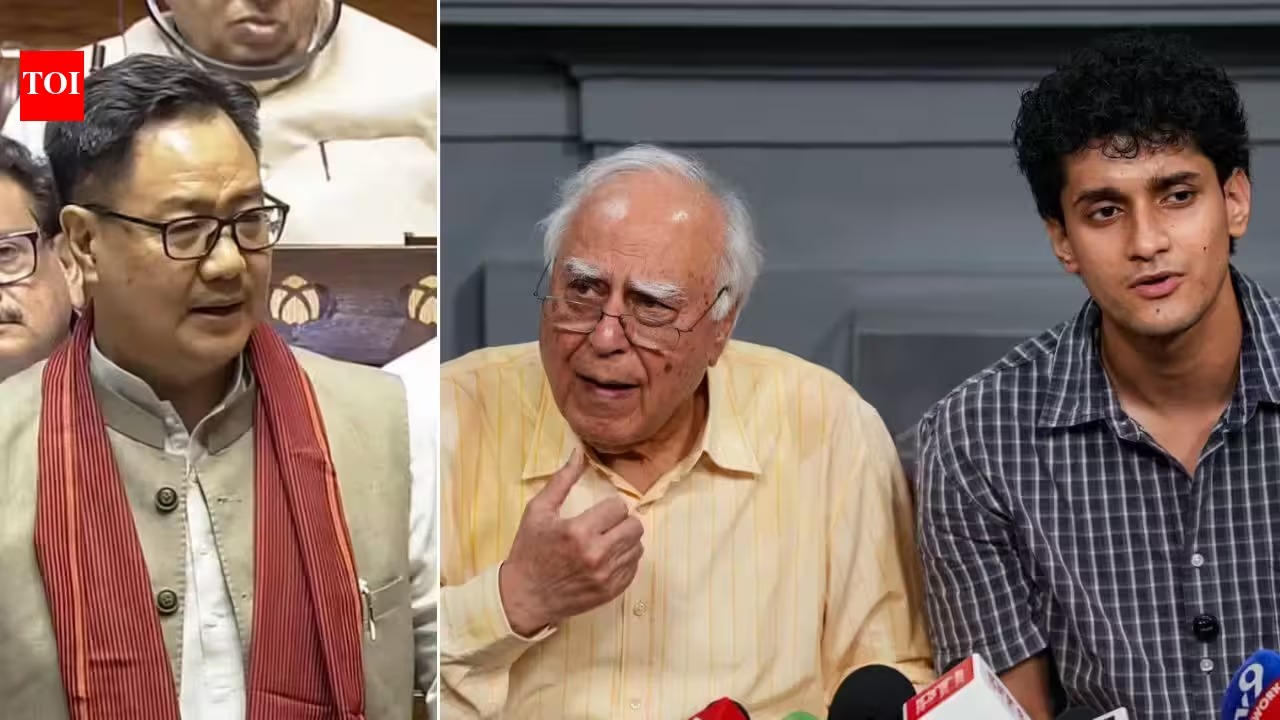
Parliament Adjourns As Anti-Paper Leak Bill Faces Opposition Uproar
Parliament ended Monday in another confrontation over public examinations after the government introduced the Public Examinations (Prevention of Unfair Means) Amendment Bill, 2026 and opposition MPs demanded a statement on alleged police action against student protesters.

Omar Abdullah Announces July 20 Delhi Protest For Jammu And Kashmir Statehood
The National Conference will protest at Jantar Mantar on July 20, the opening day of Parliament's Monsoon Session, pressing the Centre for a statehood restoration timeline.