Delhi-NCR Heavy Rain And 90kmph Wind Warning Trigger IMD Red Alert
A Delhi-NCR red alert for thunderstorms, rain and 70-90 kmph winds turns a routine June day into a fast-moving public-safety and infrastructure test.
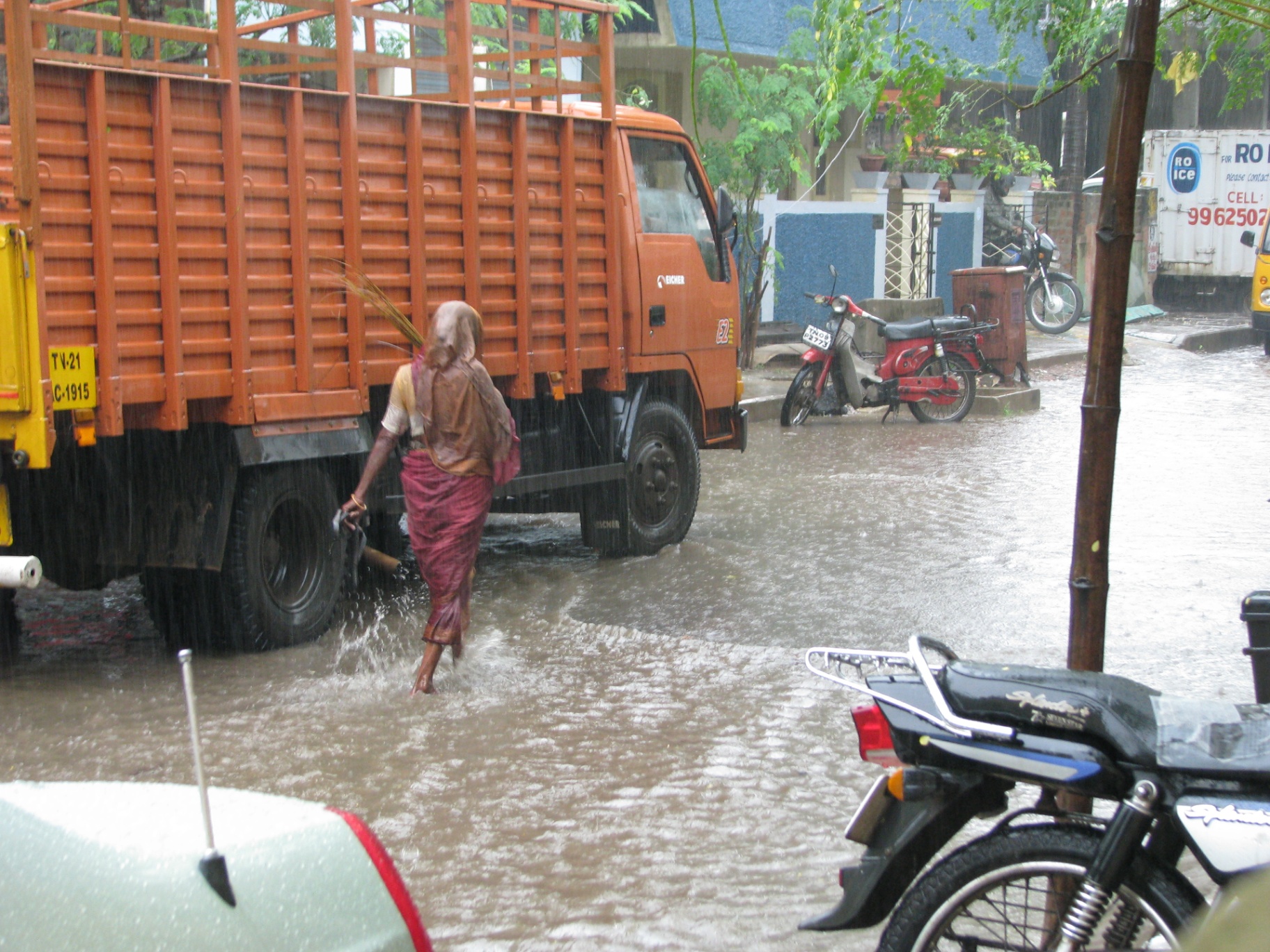
Delhi-NCR moved from routine June discomfort to a sharper weather-risk window on Monday after heavy rain, a dust storm and strong winds hit parts of the region. Times of India reported that the India Meteorological Department issued a red alert for thunderstorms and rain, warning that gusty winds could reach 70-90 kmph across the national capital. The report said Palam recorded wind speeds of 50 knots, or about 92 kmph, at 2.30 pm, while Safdarjung recorded a minimum temperature of 28.2C, slightly above the seasonal average.
The alert matters because this kind of weather can cause disruption even when it does not last all day. A short period of high wind can bring down branches, damage loose hoardings, disrupt power lines, slow traffic and create hazards around construction sites. Rain arriving with a dust storm can reduce visibility quickly. For commuters, delivery riders, street vendors and outdoor workers, the risk is not only rainfall depth but the speed of the change.
Delhi's weather often shifts sharply during the monsoon transition. Local heat builds instability, western disturbances can influence northern India and moisture patterns become more variable. The Times report cited weather experts saying the sudden change was linked to a western disturbance affecting the Himalayan region, with the effect expected to weaken from Tuesday and temperatures likely to rise again. That sequence is typical of volatile transition weather: a burst of relief, a burst of risk and then a return of heat.
The practical response should be local and immediate. Residents should avoid sheltering under weak trees during storm warnings, secure balcony items, check on elderly relatives, and allow extra time for road travel. People driving through underpasses or low-lying stretches should avoid waterlogged roads because depth can be hard to judge during fast rainfall. Schools, offices and event organisers should monitor nowcasts rather than relying only on morning forecasts.
For civic agencies, a red alert is also a readiness test. Drainage teams need to know which underpasses, market roads and construction corridors are most likely to flood. Traffic police need rapid diversion plans. Power utilities need repair crews ready for line faults. Metro and airport feeder services should communicate delays clearly so commuters are not forced into unsafe choices.
The broader lesson is that weather communication must be specific. A red alert can sound alarming, but people need to know what action it requires. Wind speed, timing, affected neighbourhoods and transport advisories matter more than general warnings. Delhi's scale makes this difficult, but it also makes clarity essential.
This is not the same story as a heatwave, even though heat remains part of the background. It is a combined weather hazard: rain, dust, lightning, wind and urban vulnerability. The red alert should therefore be read as a warning about movement and exposure, not only about umbrellas.
If the western disturbance weakens and temperatures rise again, the city may quickly return to heat management. That does not reduce the importance of Monday's warning. It shows that Delhi's June risk can change within hours, and that residents and authorities need systems ready for both extremes.
Related Stories
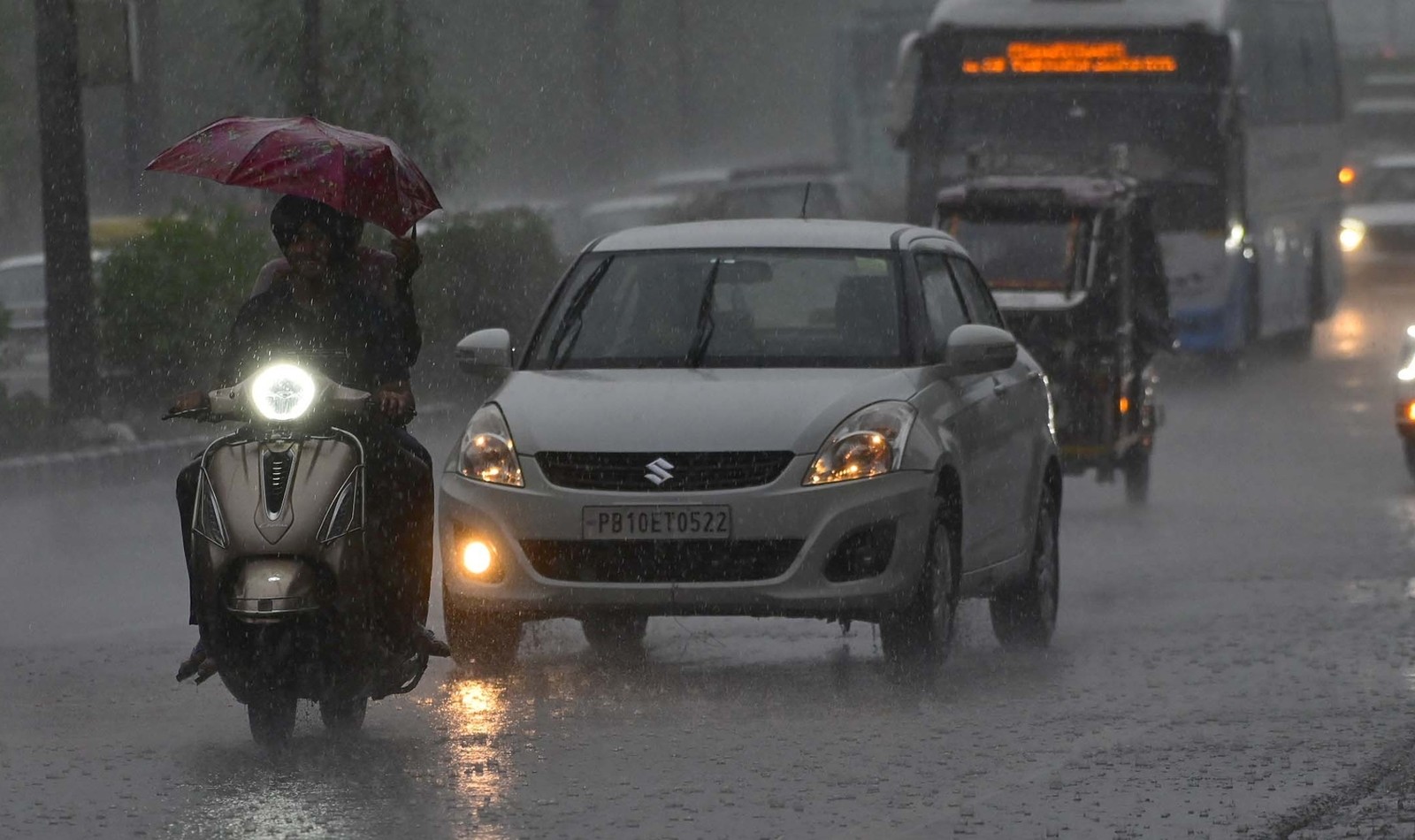
Delhi's Red-Alert Rain Turns A Weather Break Into A Commute Stress Test
Heavy rain, thunderstorms and an IMD red alert brought cooler air but also waterlogging and morning traffic risk across the National Capital Region.
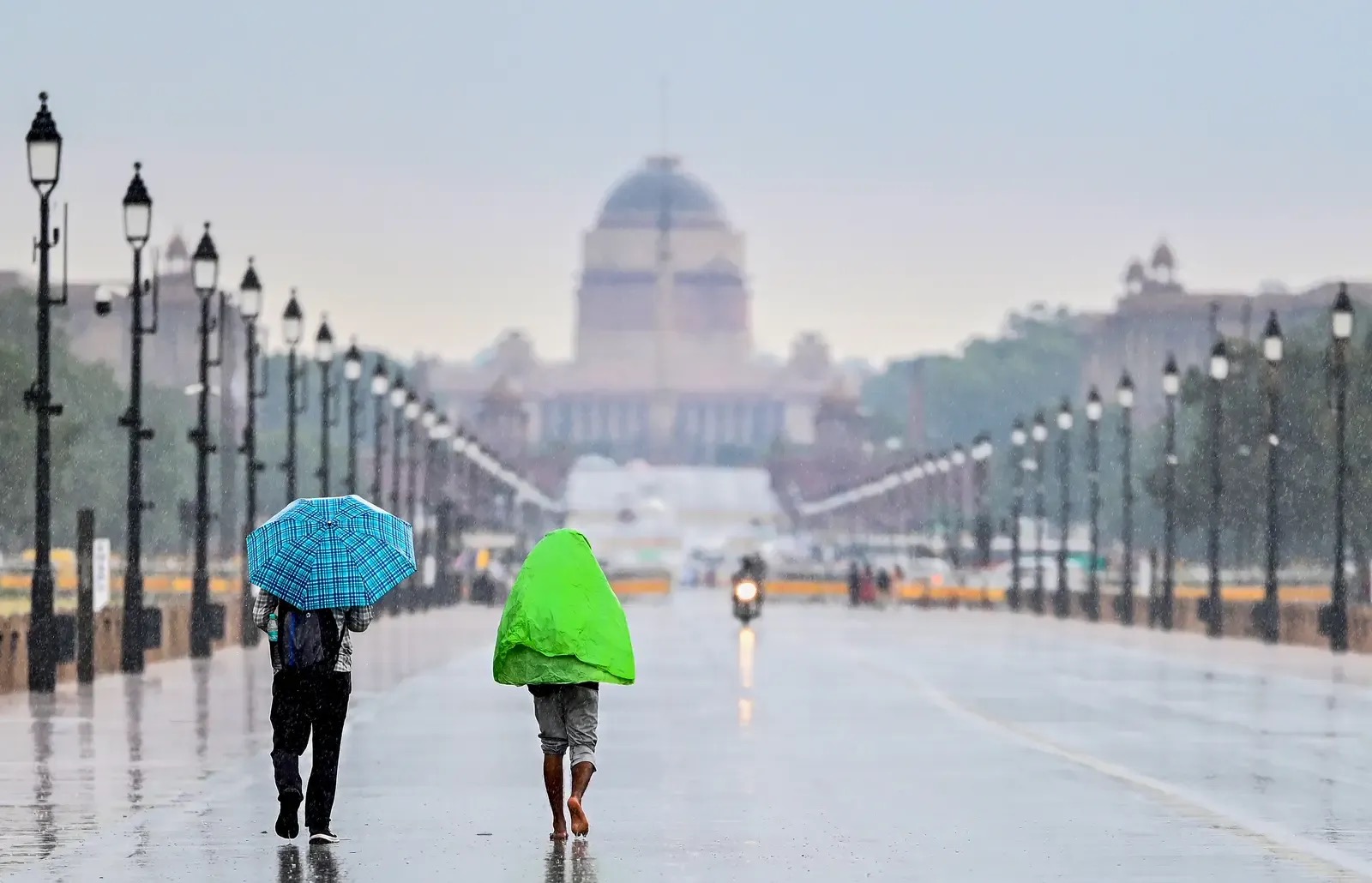
Delhi's Weekend Rain Window Comes With A Dust-Control Warning
Rain, thunderstorms and winds up to 50 kmph may give Delhi-NCR temporary relief, but high minimum temperatures and construction dust keep the air-quality risk alive.
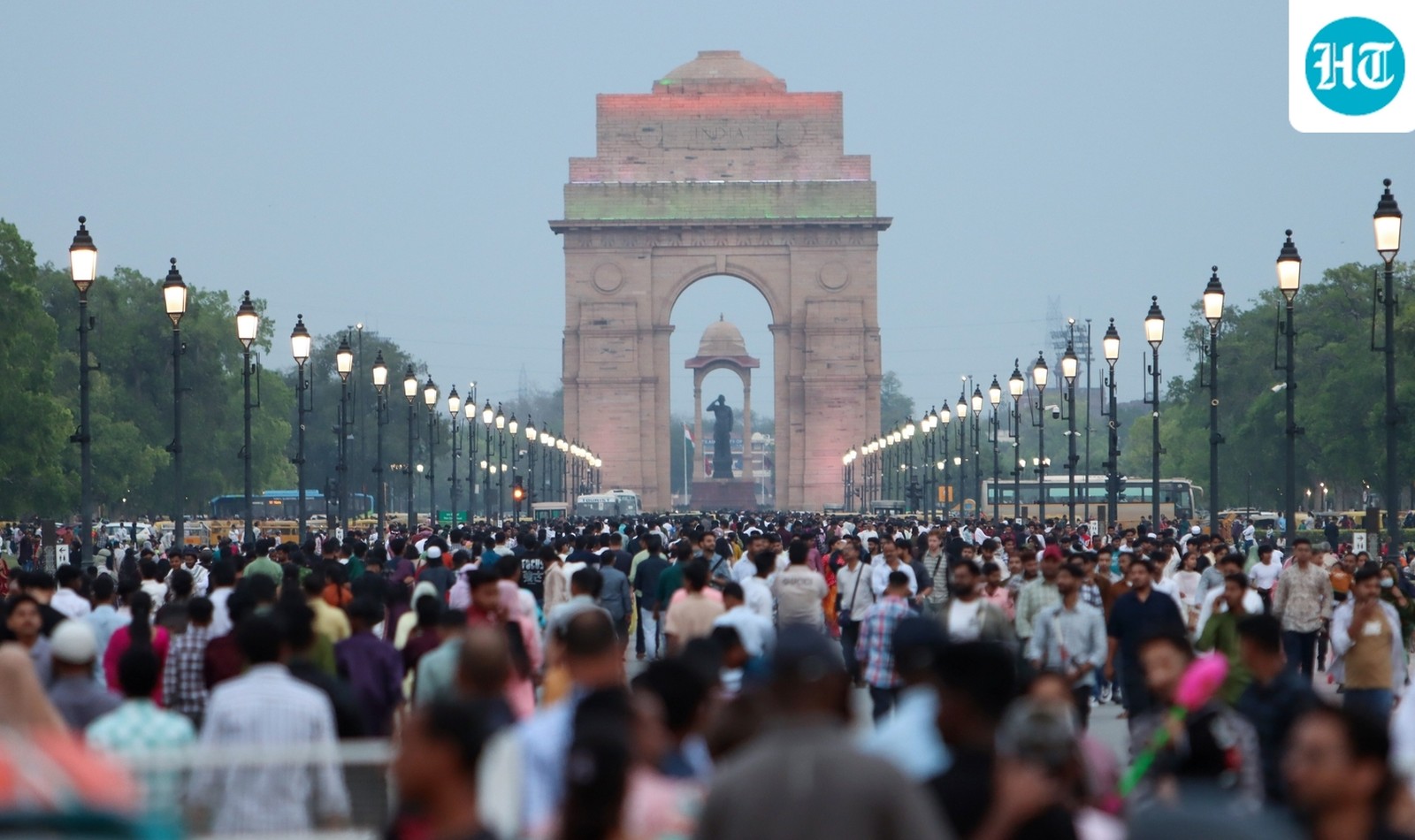
Delhi's Partly Cloudy Forecast Keeps The AQI Watch In Place
IMD's local forecast for New Delhi-Safdarjung shows partly cloudy skies on October 8 after the scattered-rain window, with temperatures expected around 34 and 22 degrees Celsius.