IMD Warns Heavy Rain And Thunderstorms Across States As East UP Faces Heatwave
The India Meteorological Department has warned of a sharply mixed weather picture for Saturday, with heavy rain and thunderstorms across several regions while severe heatwave conditions remain likely in isolated parts of eastern Uttar Pradesh.
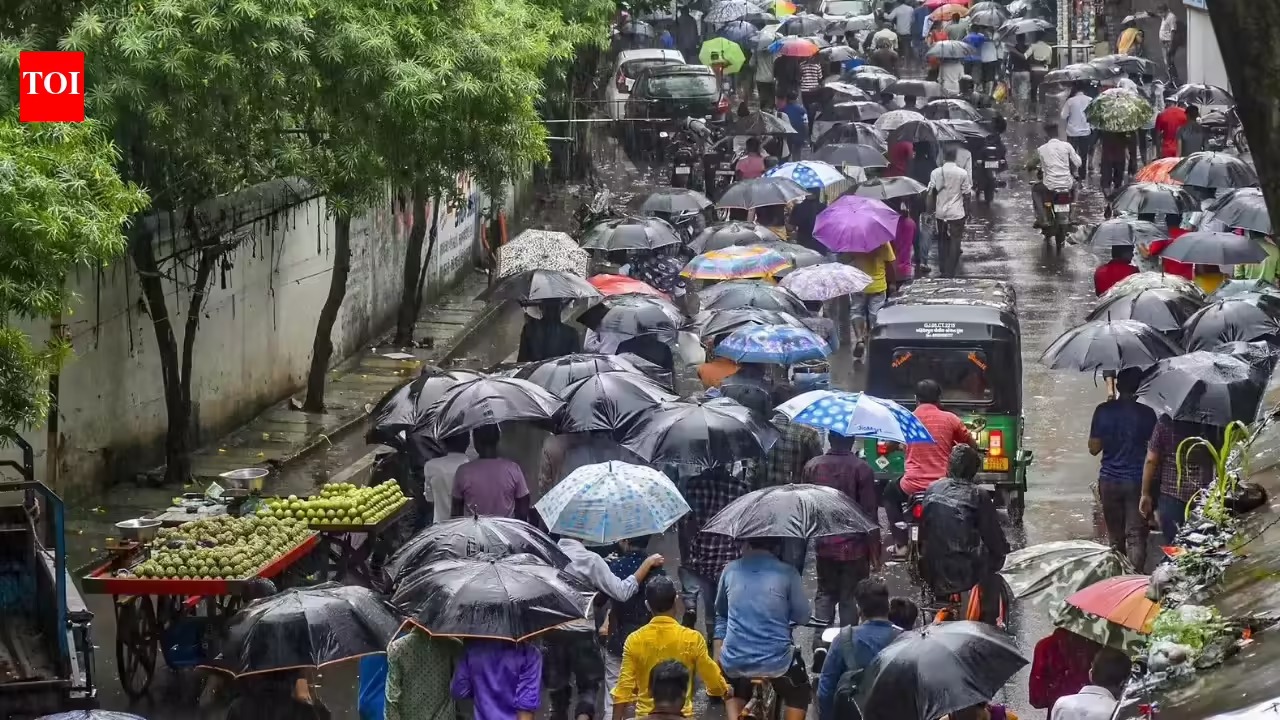
The India Meteorological Department has warned of a sharply mixed weather picture for Saturday, with heavy rain and thunderstorms across several regions while severe heatwave conditions remain likely in isolated parts of eastern Uttar Pradesh. The IMD forecast heavy to very heavy rain over parts of the Northeast and Sub-Himalayan West Bengal and Sikkim, along with thunderstorms, lightning and gusty winds in multiple regions. Delhi-NCR remained under observation as the monsoon continued to influence the national weather map.
Separate reporting flagged that the monsoon was likely to reach Delhi in the first week of July and that very heavy rainfall would continue over eastern India until 29 June. Together, the reports show the unevenness of India's seasonal transition. Some regions are preparing for flooding, lightning and road disruption. Others are still waiting for full monsoon relief and managing heat.
This is the part of monsoon season that often feels contradictory. A national map can show the rains advancing, but individual districts may still face intense heat, humidity or dry spells. At the same time, areas that do receive rain can be hit by sudden downpours that overwhelm roads, drains and transport systems. A delayed or uneven monsoon does not mean low risk. It can mean more local volatility.
For the Northeast and Sub-Himalayan West Bengal and Sikkim, heavy to very heavy rain creates risks beyond wet roads. These regions can face landslides, river-level rises, slope instability and blocked highways. Travellers in hill districts should avoid treating rain alerts as routine. Road closures and slow emergency response can turn a short trip into a long disruption.
For East Uttar Pradesh, the severe heatwave warning points to the other side of the weather divide. Heatwave conditions can affect outdoor workers, older people, children, people with chronic illness and households with unreliable power. Public-health advice remains basic but important: avoid unnecessary afternoon exposure, drink water regularly, check on vulnerable people and take heat symptoms seriously. Heat exhaustion and heatstroke can escalate quickly.
For Delhi-NCR, the uncertainty around monsoon onset has practical consequences. The capital region's transport systems, construction sites, low-lying roads and informal settlements are all exposed when rain finally arrives. A delayed onset can create a false sense of time; drains still need clearing, traffic plans still need to account for waterlogging and residents still need to be ready for sudden changes.
The wider point for businesses and households is that weather planning should now be local and daily. Farmers need district-level agromet advisories before sowing or spraying. Commuters should check traffic and flooding updates before long road trips. Airlines and rail passengers should build buffers into schedules where storms are likely. Schools and event organisers should watch lightning and wind warnings, not only rainfall totals.
India's monsoon is not a single switch that turns on everywhere at once. It is a moving system with local hazards. The IMD's latest warnings show that the country is now managing rain, storms and heat at the same time. That makes clear communication and practical preparation more important than any broad claim that the monsoon has arrived.
Related Stories
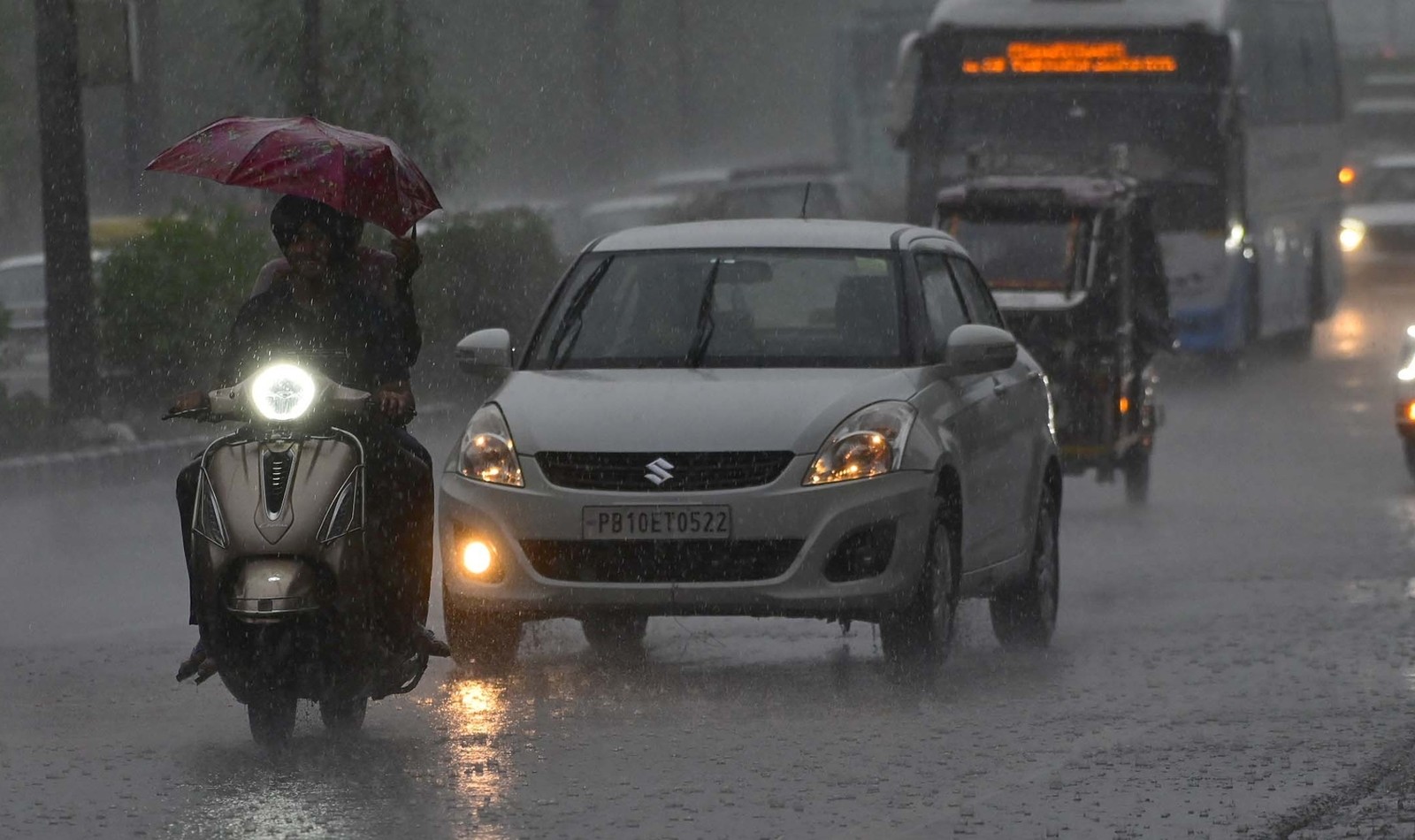
Delhi's Red-Alert Rain Turns A Weather Break Into A Commute Stress Test
Heavy rain, thunderstorms and an IMD red alert brought cooler air but also waterlogging and morning traffic risk across the National Capital Region.
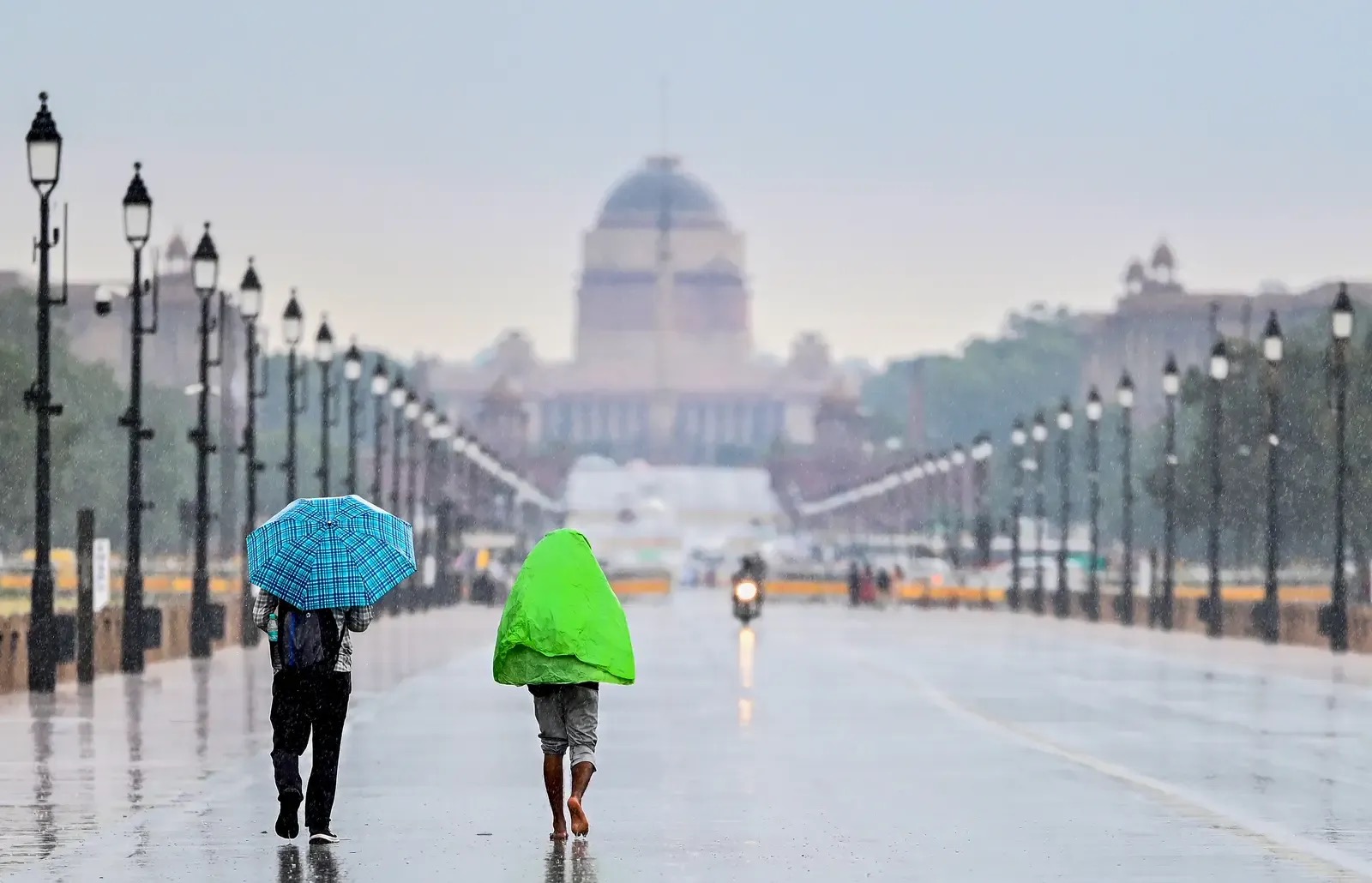
Delhi's Weekend Rain Window Comes With A Dust-Control Warning
Rain, thunderstorms and winds up to 50 kmph may give Delhi-NCR temporary relief, but high minimum temperatures and construction dust keep the air-quality risk alive.
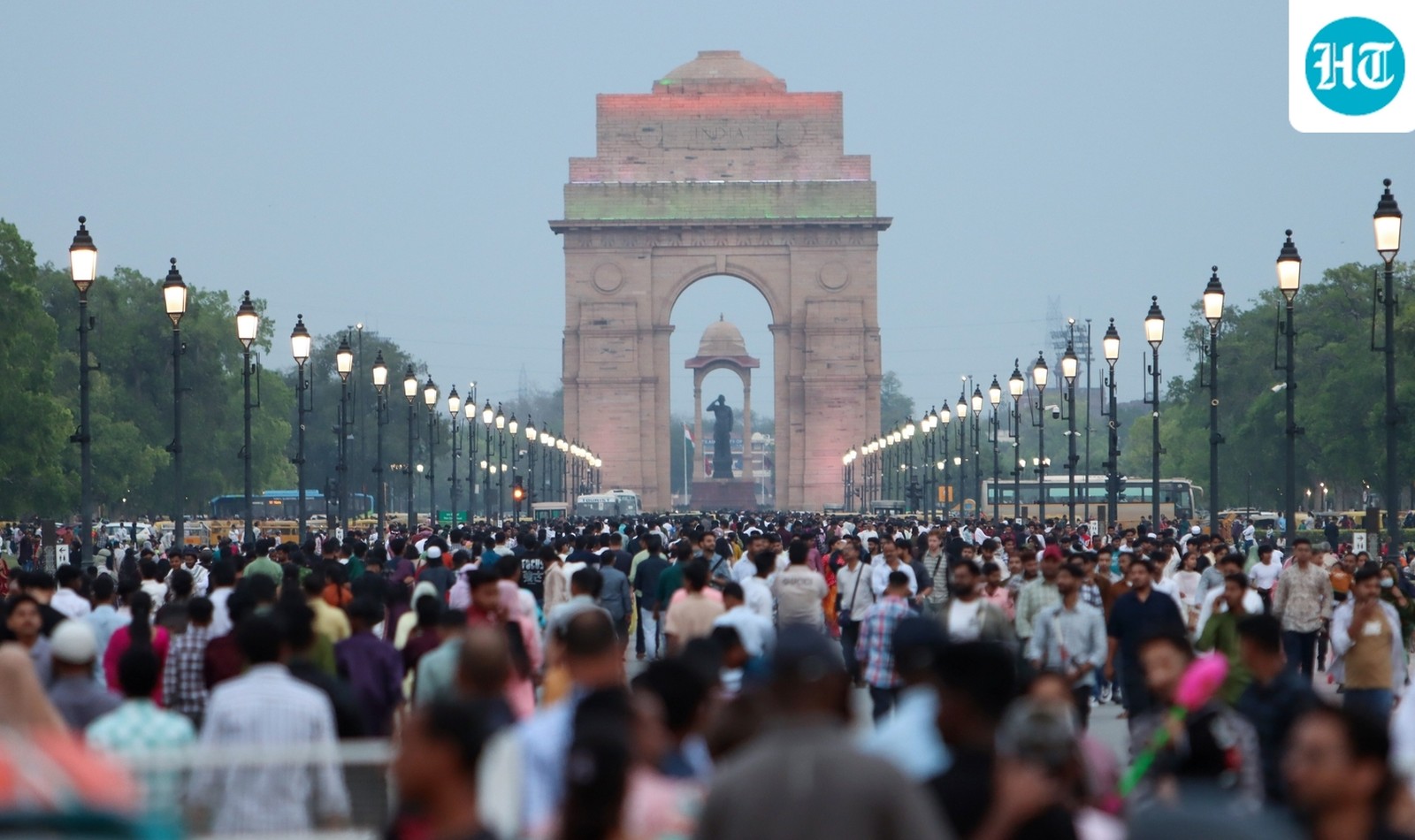
Delhi's Partly Cloudy Forecast Keeps The AQI Watch In Place
IMD's local forecast for New Delhi-Safdarjung shows partly cloudy skies on October 8 after the scattered-rain window, with temperatures expected around 34 and 22 degrees Celsius.