IMD Warns Of Very Heavy Rain In West Bengal Sikkim Konkan And Goa As Delhi Heat Wave Continues
The India Meteorological Department has warned of a sharply divided weather picture, with heavy to very heavy rainfall in parts of eastern and western India and heat-wave conditions still likely in parts of the north.

The India Meteorological Department has warned of a sharply divided weather picture, with heavy to very heavy rainfall in parts of eastern and western India and heat-wave conditions still likely in parts of the north. IMD warned of heavy to very heavy rainfall at many places, with extremely heavy rainfall likely at isolated places over Sub-Himalayan West Bengal and Sikkim on 29 June, over Konkan and Goa on 29 June and again on 2-3 July, and over Madhya Maharashtra on 2-3 July. The same update said heat-wave conditions were very likely in isolated pockets over East Uttar Pradesh on 29 June and over Haryana, Chandigarh and Delhi during 29-30 June.
That combination is typical of a monsoon transition but difficult for daily life. One part of the country is preparing for intense rain, waterlogging, traffic disruption and possible flash-flood risk. Another part is still managing heat stress, power demand and outdoor work hazards. For households, commuters, farmers and local administrations, the practical message is that the monsoon does not arrive as a neat national switch. It advances unevenly, and the danger zones can change quickly.
Broader forecasts also point to moderate to heavy rainfall, thunderstorms and gusty winds across northern, eastern, central and southern states, with Delhi-NCR possibly seeing relief through showers. The common thread is volatility: rain may cool some areas, but it can also create immediate travel and infrastructure problems.
For farmers, the rainfall matters after a June in which some regions have been waiting for the monsoon to strengthen. Heavy rain can replenish soil moisture and support sowing, but very heavy rain in a short window can damage seedlings, delay field work and create runoff rather than useful absorption. Agricultural advisories will need to be local, not national, because a district receiving beneficial rain may sit near another facing flooding or heat.
Urban India faces a different test. Cities such as Delhi, Mumbai, Kolkata, Pune and Bengaluru experience monsoon risk through drains, underpasses, power lines, construction sites and traffic chokepoints. A warning of gusty winds and thunderstorms should push municipal teams to clear drains, monitor trees and communicate road closures quickly. The public also needs clear nowcasts rather than broad state-level language when storm cells form.
The heat-wave warning for Haryana, Chandigarh and Delhi is a reminder that heat risk does not disappear the moment monsoon headlines begin. Outdoor workers, delivery riders, traffic police, street vendors and construction crews remain exposed. Employers and local governments should keep hydration, shaded rest breaks and flexible timings in place until temperatures and humidity actually ease.
The next few days will test both forecasting and response. The safest public reading is simple: follow local alerts, avoid flooded roads, plan travel with delays, and treat heat advisories seriously even if rain is forecast nearby. India's late-June weather is active, uneven and capable of changing daily plans with little warning.
Related Stories
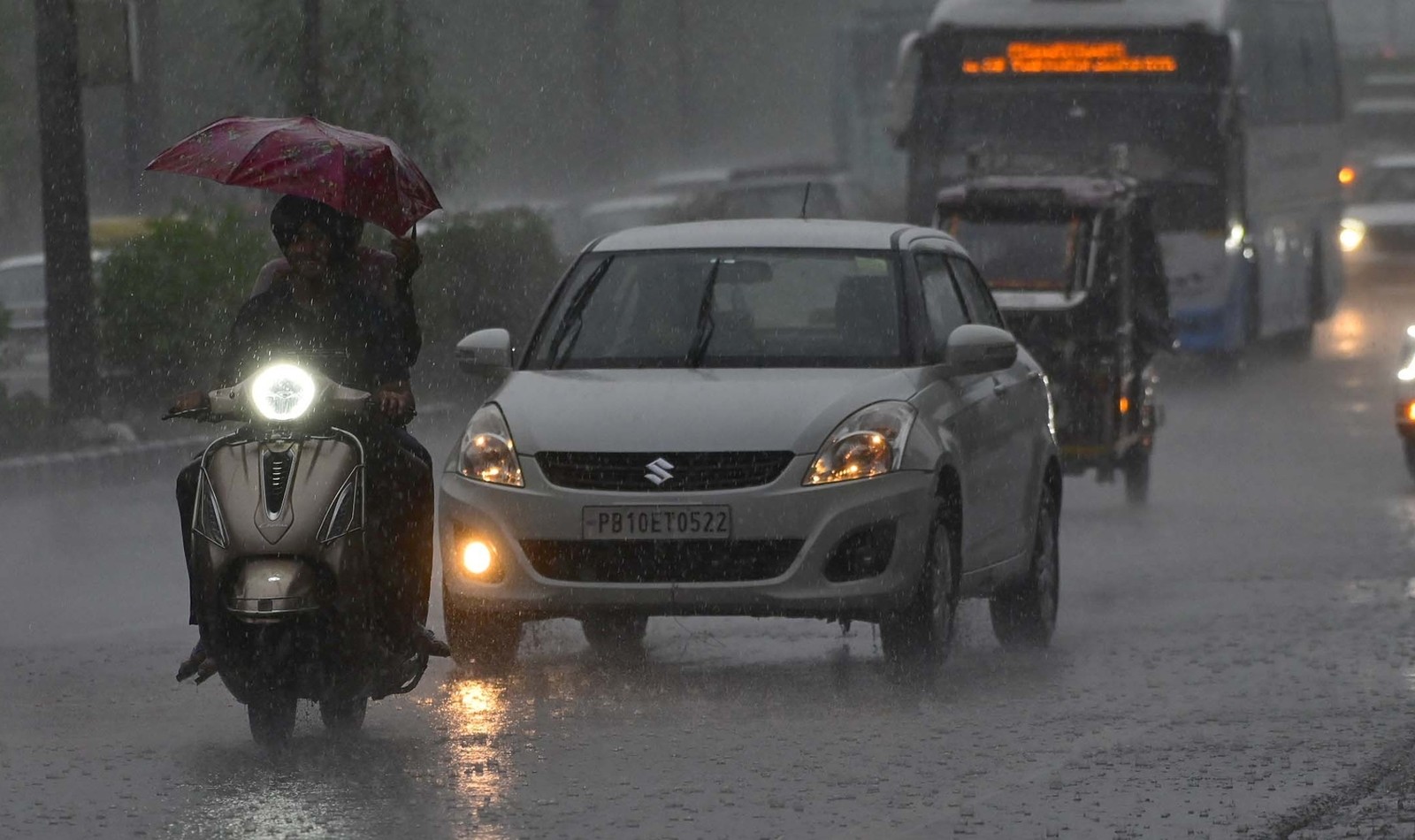
Delhi's Red-Alert Rain Turns A Weather Break Into A Commute Stress Test
Heavy rain, thunderstorms and an IMD red alert brought cooler air but also waterlogging and morning traffic risk across the National Capital Region.
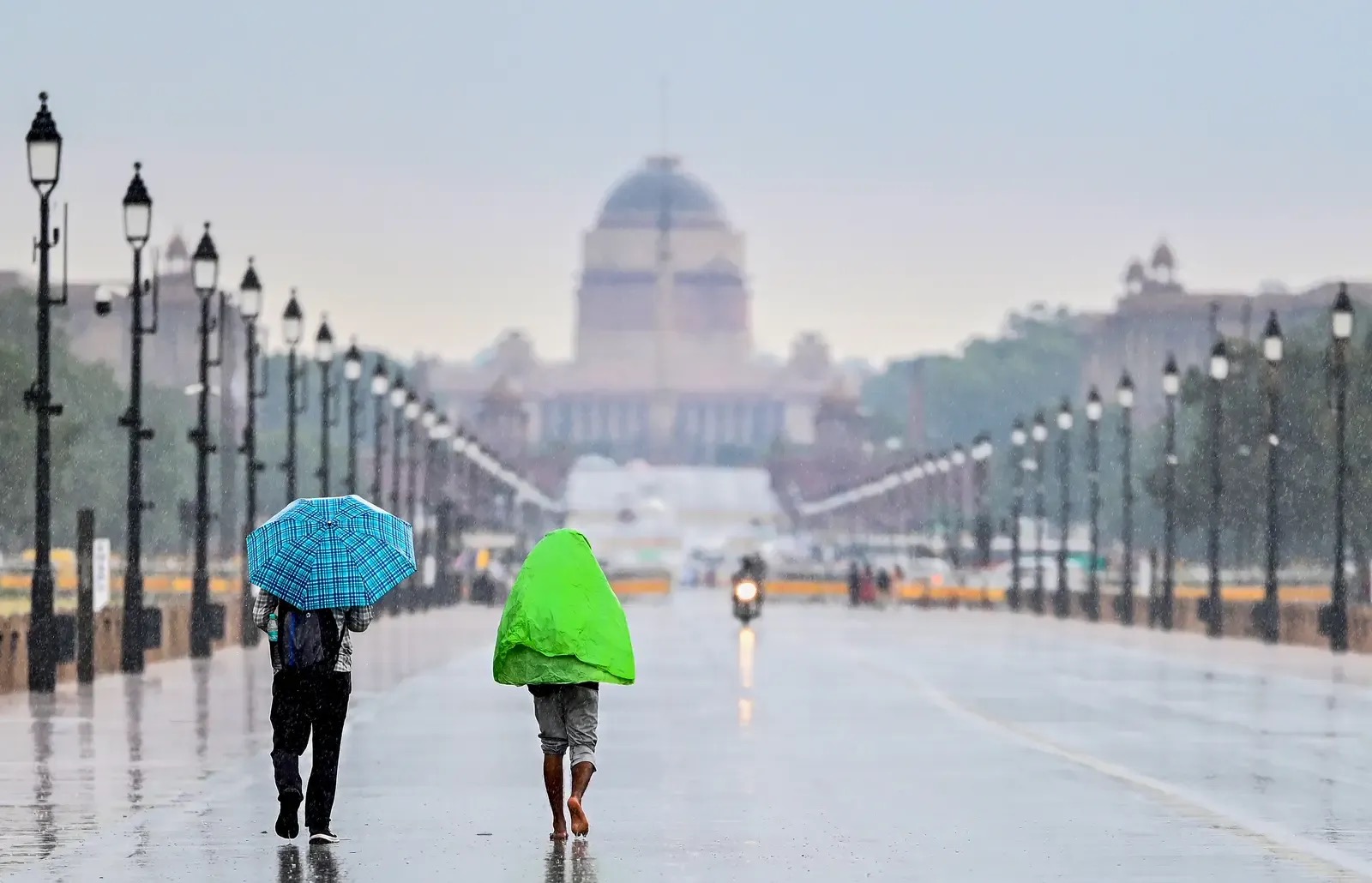
Delhi's Weekend Rain Window Comes With A Dust-Control Warning
Rain, thunderstorms and winds up to 50 kmph may give Delhi-NCR temporary relief, but high minimum temperatures and construction dust keep the air-quality risk alive.
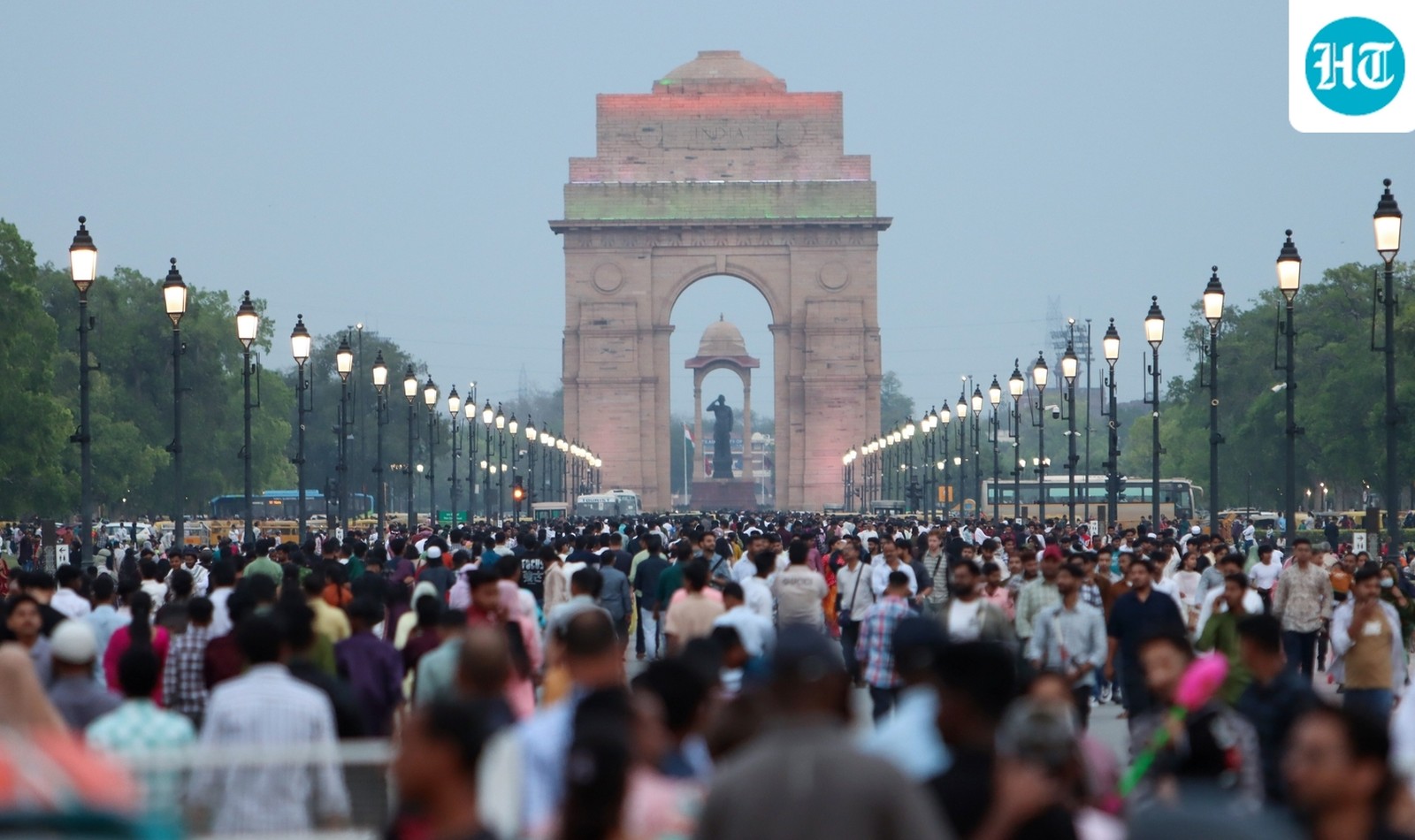
Delhi's Partly Cloudy Forecast Keeps The AQI Watch In Place
IMD's local forecast for New Delhi-Safdarjung shows partly cloudy skies on October 8 after the scattered-rain window, with temperatures expected around 34 and 22 degrees Celsius.