Supreme Court Orders Release Of Under-18 NEET Protesters And Digital Data Safeguards
The Supreme Court has turned the July 20 NEET protest policing row into a national accountability question by ordering immediate safeguards for detained young protesters and digital material collected during the demonstrations.

The Supreme Court has turned the July 20 NEET protest policing row into a national accountability question by ordering immediate safeguards for detained young protesters and digital material collected during the demonstrations. Economic Times reported that the court heard petitions alleging police excesses against students who were protesting over the alleged NEET paper leak and broader examination irregularities. The court said protest is an integral part of democracy while also examining the state response to claims of violence, detention and data handling.
The most immediate order concerns students below 18. Times of India reported that the court directed states, including Delhi, to release detained students under the age of 18 who had no prior criminal records. The court also asked police to preserve digital evidence linked to the protests, a point that matters because phones, videos, location records and seized devices can become evidence, but can also expose protesters to intimidation if handled carelessly. Economic Times reported that the court wanted protester digital data kept confidential and protected from public disclosure.
The case sits at the intersection of student rights, exam credibility and crowd-control accountability. The NEET dispute has already drawn parliamentary pressure, street protest and demands for education-sector reform. A protest can become disorderly, and police can have legitimate public-safety obligations, but the court's intervention underlines that the mere presence of agitation does not remove constitutional protections. That is why the data direction matters almost as much as the release order. If police agencies collect videos, device contents or personal records during a protest, there needs to be a clear chain of custody and a clear limit on use.
For students and parents, the practical issue is whether complaints about the examination system will be heard without exposing young protesters to avoidable criminal consequences. For police, the test is whether any investigation can separate peaceful participants, violent conduct if proved, and allegations against officers. For the government, the court's questions add pressure to show that exam security reforms and protest handling can both be credible.
There are limits to what can be said at this stage. The petitions contain allegations, and the court has not made final findings on every disputed incident. Reports also show parallel claims about attacks on police and journalists, which will need evidence. The safest reading is that the court has not closed the matter; it has set immediate protections while the legal process continues.
The story should be watched for the next hearing, any independent probe, the release status of detained minors, and whether preserved digital evidence is examined under court supervision. The public-interest point is straightforward: a democracy can protect exams, protect public order and protect protesters' rights at the same time, but only if each institution accepts scrutiny when the facts are contested.
The administrative follow-through will be as important as the courtroom language. Police forces and state governments will need to identify which detainees are minors, separate those with no criminal record from any case involving specific violence allegations, and make sure digital material is not informally leaked or used outside the legal process. Student groups will also need to keep protest records, medical papers and detention details organised because the next stage may turn on documentary evidence rather than political statements.
Related Stories
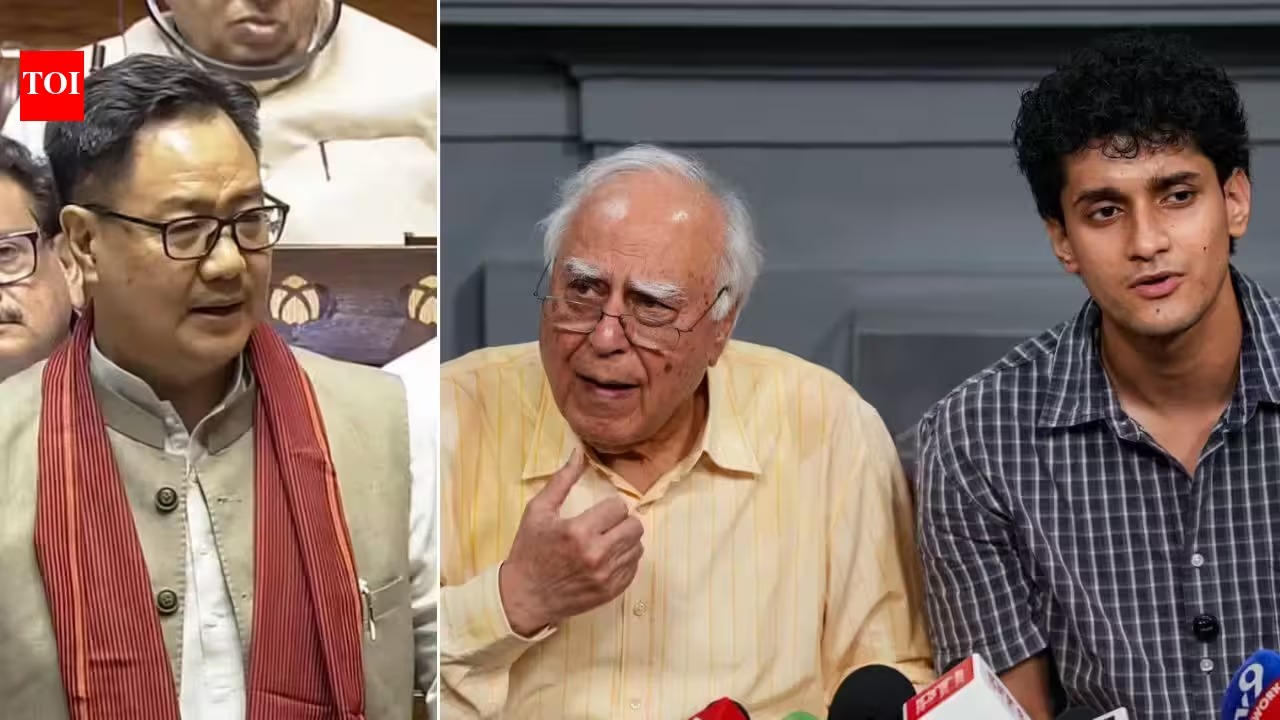
Parliament Adjourns As Anti-Paper Leak Bill Faces Opposition Uproar
Parliament ended Monday in another confrontation over public examinations after the government introduced the Public Examinations (Prevention of Unfair Means) Amendment Bill, 2026 and opposition MPs demanded a statement on alleged police action against student protesters.
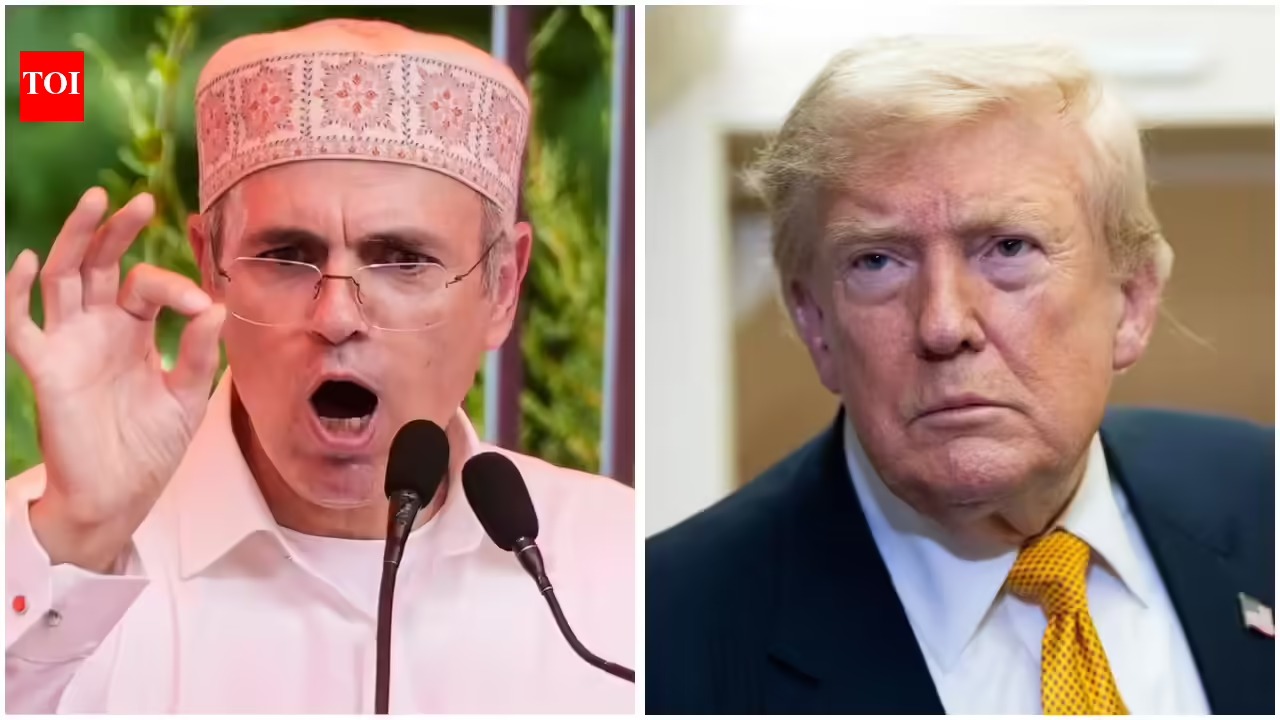
Omar Abdullah Announces July 20 Delhi Protest For Jammu And Kashmir Statehood
The National Conference will protest at Jantar Mantar on July 20, the opening day of Parliament's Monsoon Session, pressing the Centre for a statehood restoration timeline.
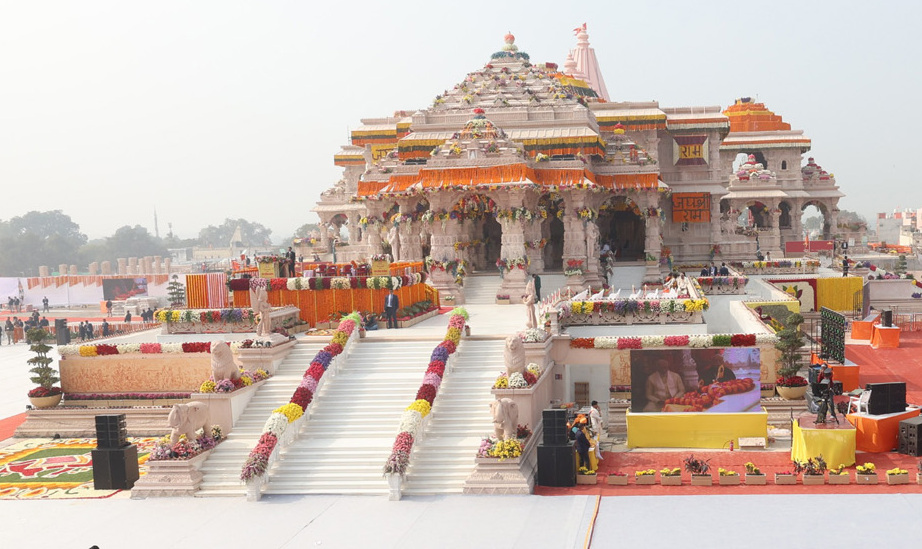
Ram Temple Trust Official Resigns After Ayodhya Donation Theft Allegations
A senior Ram Temple trust official has resigned after allegations of donation theft in Ayodhya, turning a religious-institution story into a governance and accountability issue.