Aukera Founders Lisa Mukhedkar And Kumar Saurabh Raise Rs 90 Crore For Lab-Grown Diamond Expansion
Aukera, the lab-grown diamond jewellery brand founded by Lisa Mukhedkar and Kumar Saurabh, has raised Rs 90 crore in fresh funding to fuel store expansion and omnichannel growth.
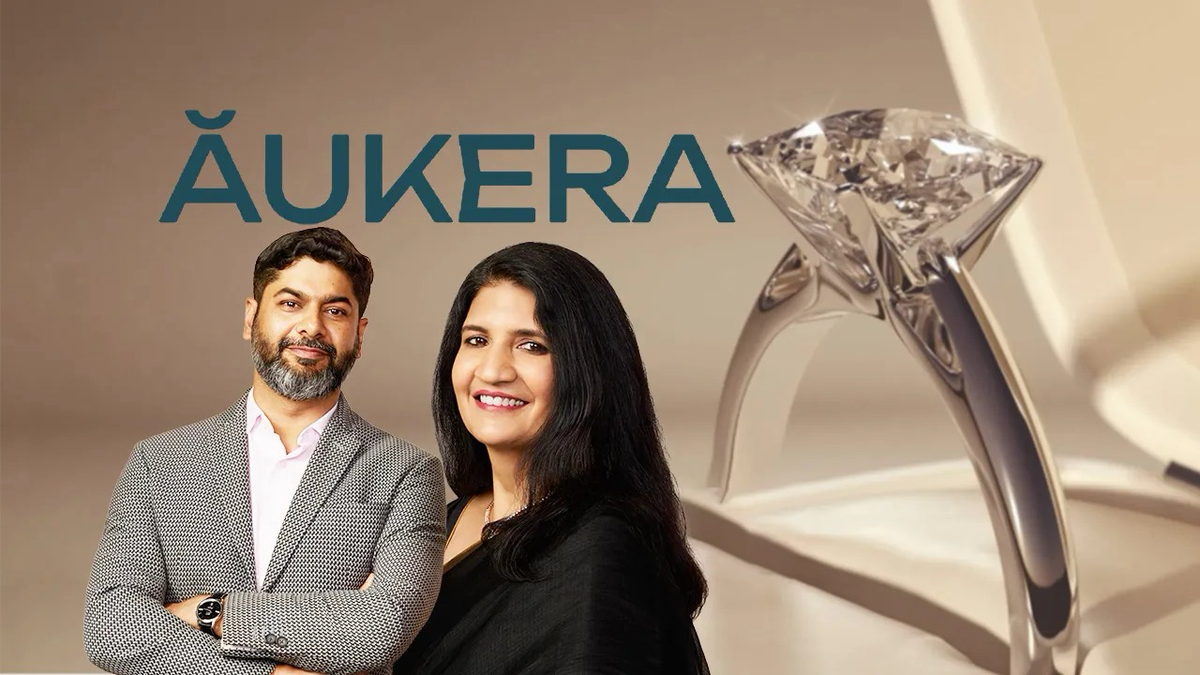
Aukera, the lab-grown diamond jewellery brand founded by Lisa Mukhedkar and Kumar Saurabh, has raised Rs 90 crore in fresh funding, giving India's jewellery market another founder-led growth story at the intersection of retail, lifestyle and manufacturing technology. The round was led by existing investor Alteria Capital and included participation from InnoVen Capital, Lighthouse Canton and a bank. The company said the money will go into store expansion, omnichannel operations, product development and talent.
The timing matters because lab-grown diamonds are moving from a specialist sustainability pitch into mainstream retail. Aukera was founded in 2023 and sells through company-owned stores, which gives the startup tighter control over merchandising, pricing and consumer education than a purely marketplace-led model. Aukera has expanded from 13 stores to 35 over the past year, entering Pune, Lucknow, Dehradun and Visakhapatnam in addition to Bengaluru, Hyderabad and Delhi NCR.
The latest debt-heavy round follows a $15 million equity round less than a year ago, led by Peak XV Partners with participation from Fireside Ventures, Sparrow Capital, Prath Ventures and Alteria Capital. That sequencing points to a company moving from brand building to operating scale. Equity helped fund early expansion and brand credibility; the new round gives Aukera more room to finance inventory, store build-outs and working capital without relying only on fresh equity dilution.
The founder angle is important because jewellery remains a trust business. Customers are not simply buying a stone. They are buying certification, design, after-sales assurance and social acceptance around a newer category. Lab-grown diamonds can offer lower price points and a sustainability claim, but founders still need to persuade buyers that the product carries status, durability and resale expectations appropriate for a major purchase. Physical stores help with that trust gap, especially in a market where families often make jewellery decisions together.
Aukera's next challenge will be execution discipline. Store expansion can lift visibility quickly, but it also raises costs across rent, staffing, inventory and local marketing. The company will need to show that its newer cities can produce repeatable unit economics rather than one-off launch curiosity. If it does, the funding round could mark a broader shift in Indian lifestyle retail: founder-led brands using modern supply chains and alternative materials to compete with legacy jewellers in categories once considered too trust-heavy for young startups.
The category also has a cultural challenge. Lab-grown diamonds may be chemically comparable to mined diamonds, but Indian consumers often attach jewellery purchases to weddings, family milestones and long-term value. That means founders cannot depend only on lower prices or sustainability language. They have to build confidence around certification, design variety, exchange policies and the emotional language of gifting. Aukera's company-owned retail push suggests the founders understand that education has to happen in person as well as online.
Related Stories
India Post Clears ₹4,000 Crore in a Quarter for the Second Time
India Post reported first-half revenue of ₹8,212.7 crore, with parcel income up 71% year on year in the July–September quarter.
IIM Lucknow's Family-Business MBA Treats Succession As A Management Skill
The two-year programme, starting in July 2027, is aimed at business owners and next-generation leaders who need governance, succession and growth tools.

Fusion CX IPO Puts Kolkata's AI-Enabled Service Firm On The Market Clock
The Rs 702 crore issue opens on October 14 with a Rs 275-289 price band and a fresh-issue component aimed partly at reducing debt.