Delhi's New Pollution War Room Turns Construction Dust Into A Live Data Test
Delhi has opened a pollution command centre that uses AI cameras, GPS tracking and field feeds before winter air quality worsens.
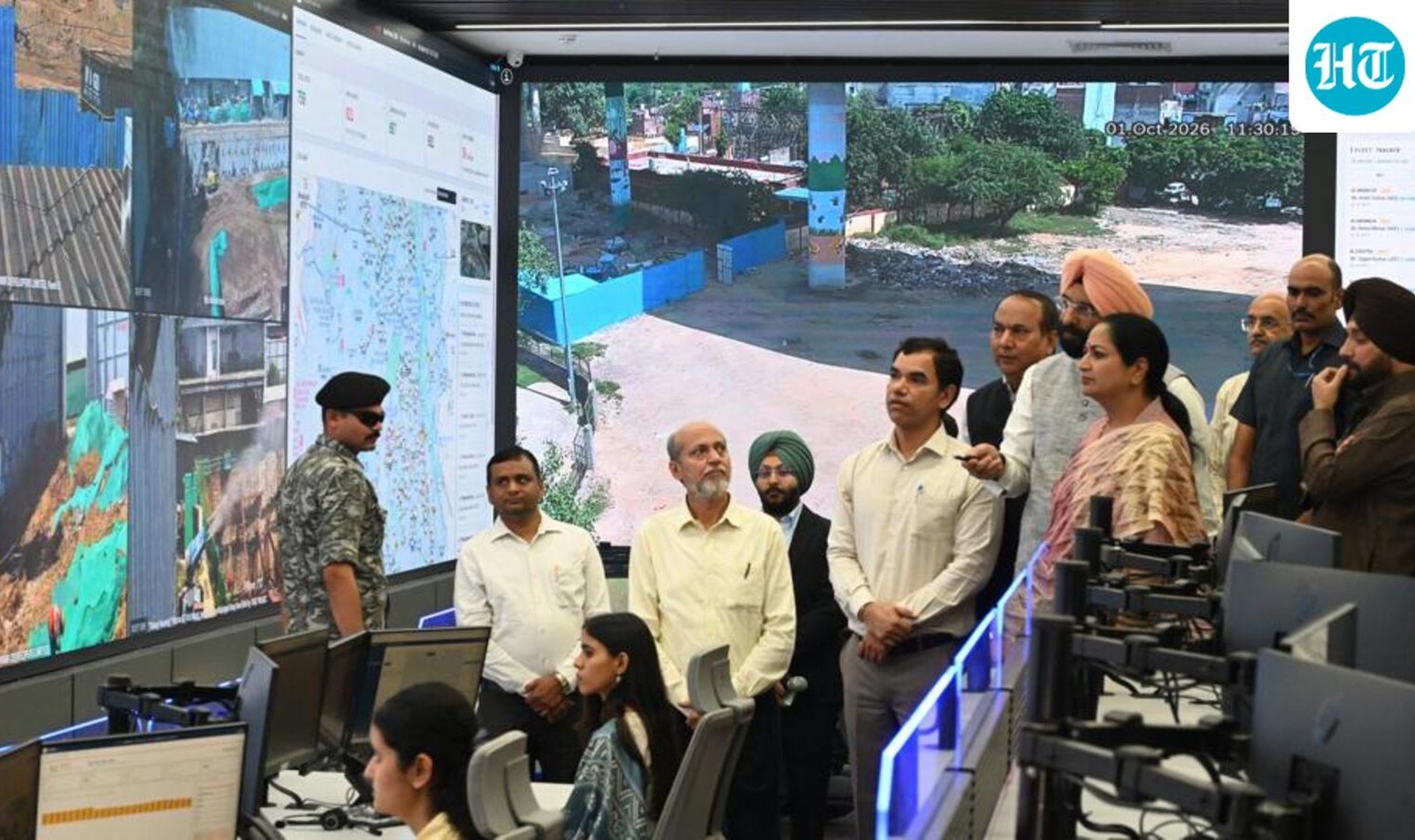
Delhi has opened a new pollution command centre just as the capital moves toward its high-risk winter air season. Hindustan Times reported that the Integrated Command and Control Centre for the Delhi Pollution Control Committee was launched at the Delhi Metro Rail Corporation's IT Park in Shastri Park.
The centre is designed to make pollution enforcement more visible and faster. Officials told Hindustan Times that AI-enabled CCTV cameras will track more than 700 construction sites, while GPS-enabled systems will monitor road-sweeping vehicles and field operations. The system is meant to bring data, complaints and inspection reports into one operating room.
Chief minister Rekha Gupta described the model as a cycle of detecting, analysing, acting and verifying. That sequence matters because Delhi has often had rules on dust, waste burning and construction controls, but the public question has been whether violations are identified quickly and followed up consistently.
Construction dust is an obvious early target. The report said sites larger than 500 square metres will be watched through cameras, with the department and site owner concerned alerted if PM10 levels rise. If those alerts lead to timely action, the system could make enforcement less dependent on sporadic inspections.
The command centre will also track mechanical road-sweeping machines, including their location, distance covered and operating hours. That creates a public-management question: if vehicles are equipped and tracked, residents will expect better evidence that sweeping is happening in pollution hot spots rather than only on easy routes.
The field network is wider than cameras. Hindustan Times reported that 78 subdivisional teams will be deployed for monitoring and enforcement this winter, while Vayudoot teams using body cameras will send footage back to the command centre. A Jan Suggestion portal has also been launched for public complaints and pollution-related information.
The real test begins when air quality deteriorates. If the command centre turns data into targeted action, it could help Delhi respond before severe curbs become unavoidable. If it becomes another dashboard with delayed enforcement, residents will see it as technology layered on top of the same old winter emergency.
Related Stories
DJB's 2026 Water Rules Could Shorten Delhi's Connection Queue
Delhi Jal Board's new tariff and metering rules replace the 2012 framework and change how households seek individual water connections.

New Delhi Prepares For Major International Summit
Diplomatic and security teams begin coordination for high-profile arrivals.

Mumbai's Metro Expansion Reshapes Daily Commutes
New corridors are cutting travel times across the financial capital.
