DJB's 2026 Water Rules Could Shorten Delhi's Connection Queue
Delhi Jal Board's new tariff and metering rules replace the 2012 framework and change how households seek individual water connections.
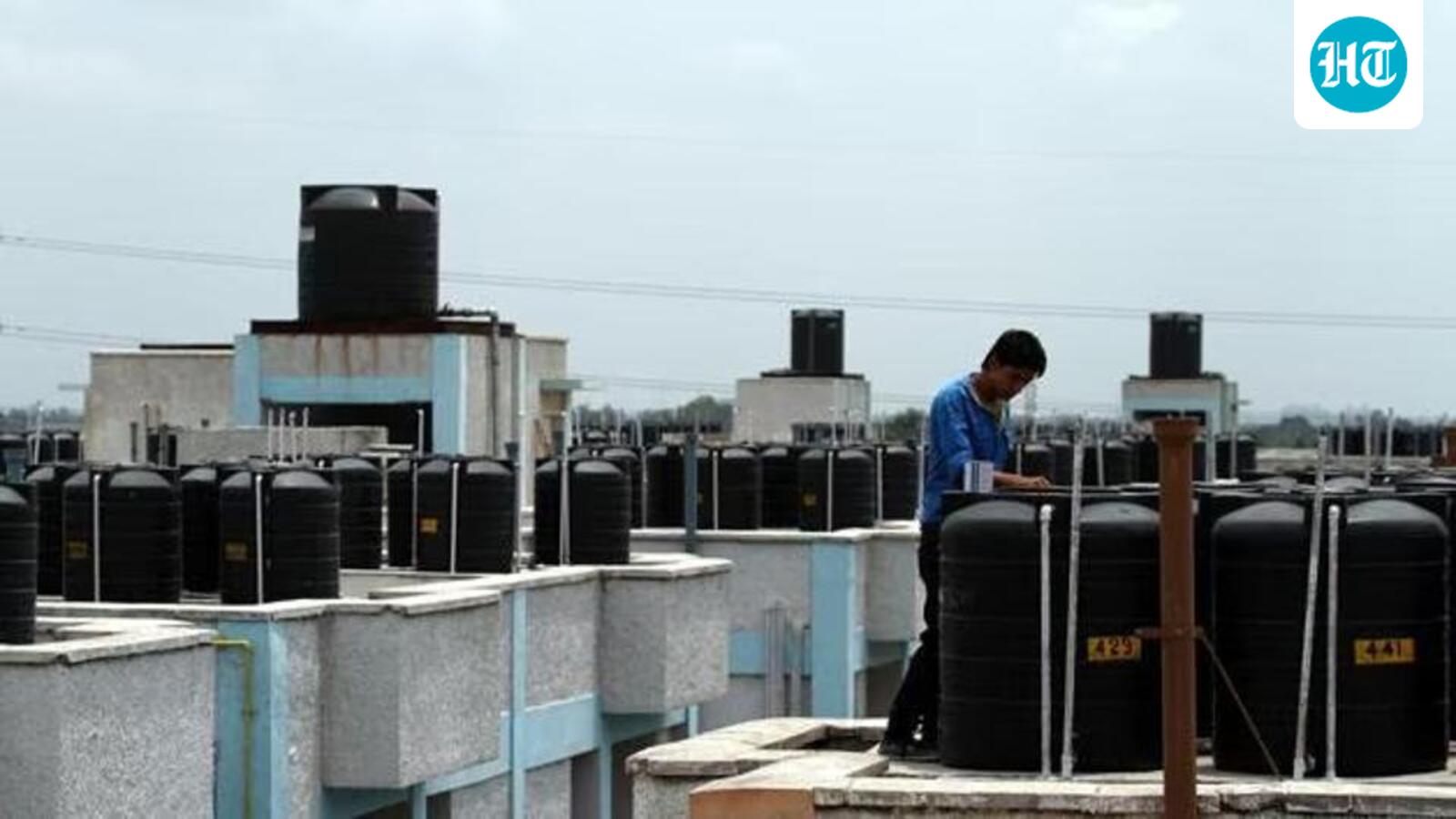
Delhi's new water and sewer regulations are a household story hiding inside a governance update. The Delhi Jal Board has approved 2026 tariff and metering rules that are meant to simplify documentation, speed up new connections and regularise unauthorised ones.
Hindustan Times reported that the new regulations will replace the 2012 rules and introduce clearer provisions around billing, tariffs, infrastructure and security deposits. One of the most practical changes is the allowance for individual water connections to dwelling or non-domestic units irrespective of building height, where technically feasible and subject to conditions.
The shift could matter most in dense residential buildings. Under the earlier rules, only six connections could be sanctioned in a residential building. The new framework allows individual connections to flats beyond that limit if prescribed conditions are met, including a kitchen in each dwelling unit.
Officials also described a change in the approval sequence. Instead of applicants waiting through site inspection, a demand note and activation before movement, the approval will be issued first and site inspection will follow. That is intended to reduce a process that can currently take around 40 to 50 days.
There are still technical guardrails. Consumers will need adequate water storage below 17.5 metres, and connections remain subject to feasibility. That means the rules are not a blanket promise of instant access, but they do set a clearer path for households that can meet the conditions.
The public test will be whether faster approvals reduce informal arrangements and repeated office visits. Water connections are one of those municipal services where delay quickly becomes a daily-life cost, especially for renters, apartment owners and small commercial users.
If DJB can pair the new rules with predictable inspections, transparent billing and working meters, the 2026 regulations could become a practical service upgrade. If implementation stays slow, the new framework will read like reform without relief.
Related Stories
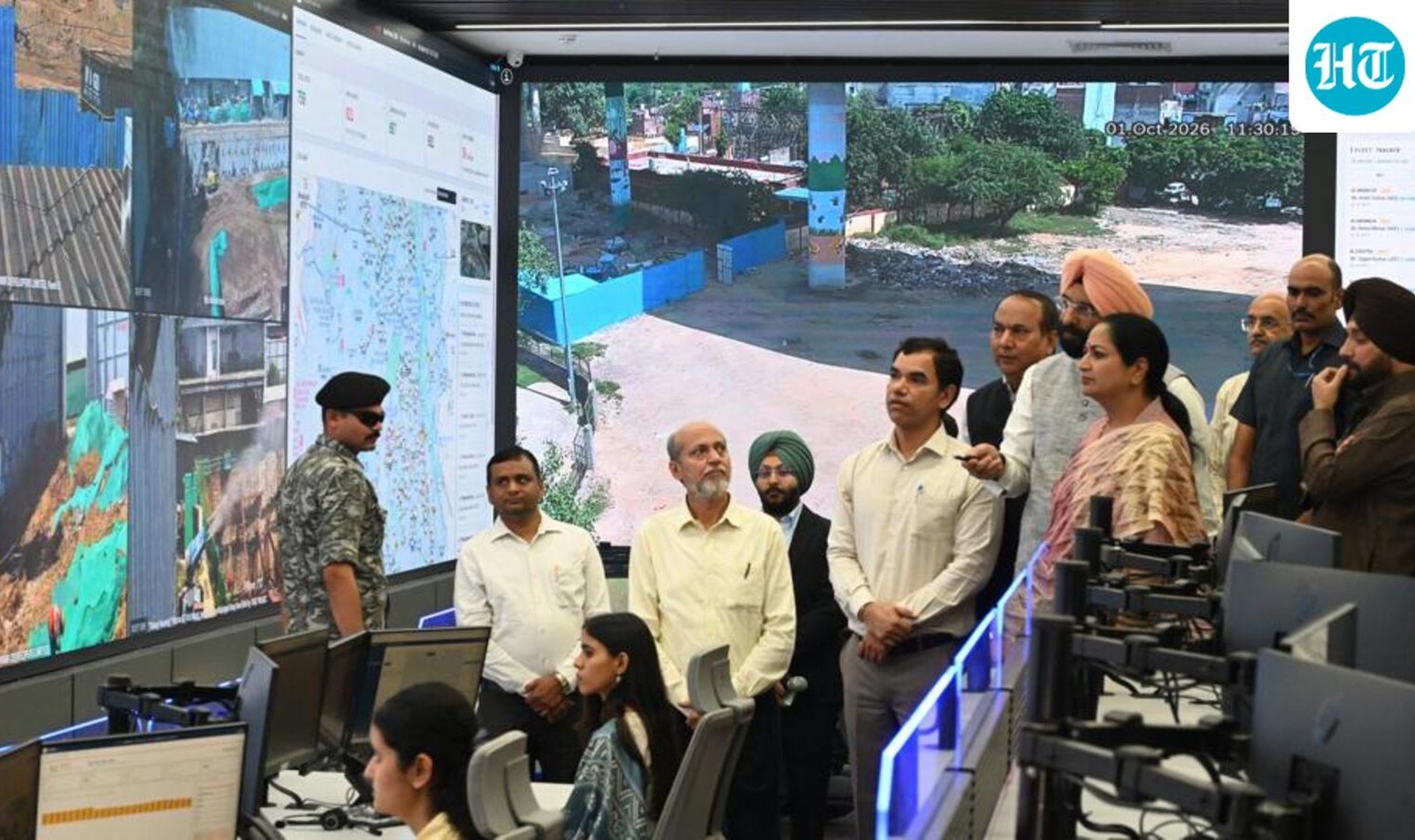
Delhi's New Pollution War Room Turns Construction Dust Into A Live Data Test
Delhi has opened a pollution command centre that uses AI cameras, GPS tracking and field feeds before winter air quality worsens.

New Delhi Prepares For Major International Summit
Diplomatic and security teams begin coordination for high-profile arrivals.

Mumbai's Metro Expansion Reshapes Daily Commutes
New corridors are cutting travel times across the financial capital.
