India Mobile Congress Build-a-thon Turns 5G Problems Into Agentic AI Prototypes
Teams at India Mobile Congress developed telecom-focused agentic AI prototypes, with policy, security and network troubleshooting built into the challenge.
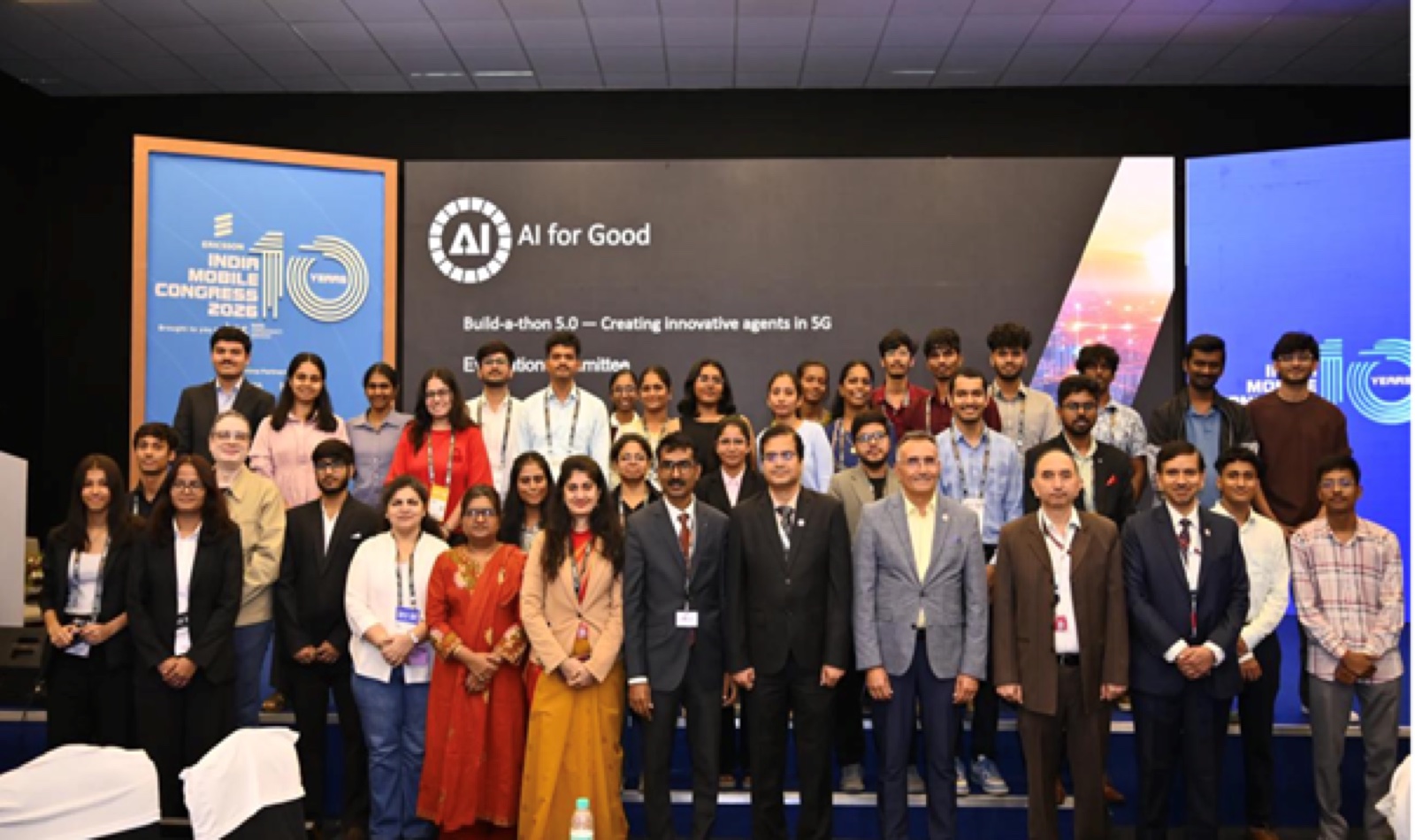
The Department of Telecommunications and the International Telecommunication Union used India Mobile Congress to test a grounded version of the agentic-AI conversation: can small teams build tools that work against the constraints of real telecommunications networks?
Their AI for Good Build-a-thon 5.0 focused on innovative agents in 5G. More than 25 teams registered at the start of the programme, with mentoring sessions on problem statements, a standardised machine-learning pipeline, AI readiness and open-source data. Sixteen prototypes were submitted after the preparation phase.
The entries included systems for telecom knowledge retrieval, network-error analysis, policy mapping and orchestration across multiple agents. The top prize went to Team Netaxis from RVCE Bengaluru for a proposal centred on quality-of-service orchestration and adaptive security in resource-constrained 5G environments.
What makes the exercise notable is its emphasis on compliance and supervision as well as capability. Telecom systems are security-sensitive and service-critical; a convincing AI tool needs to be auditable, not simply impressive in a demo. The build-a-thon gives students and early-career builders a useful problem set, while giving policymakers a closer look at where standards and rules may need to keep pace.
Related Stories
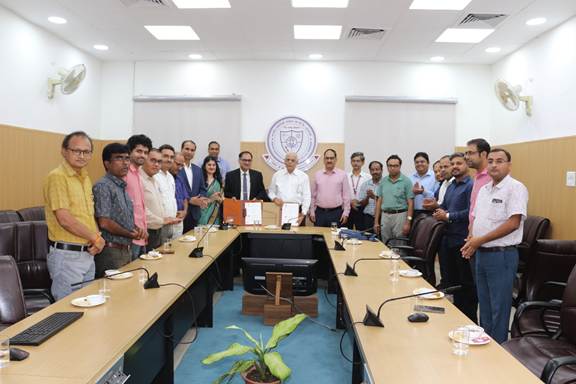
C-DOT and IIT (BHU) Open Sixth Telecom Research Centre
A new C-DOT centre at IIT (BHU), Varanasi will focus on 5G Advanced, 6G, AI, quantum technologies and cybersecurity.
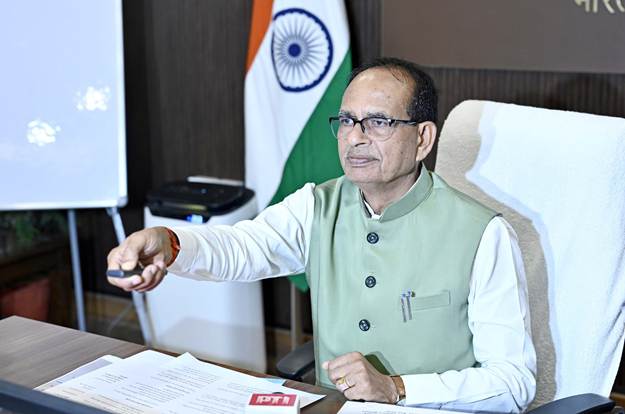
Rural Attendance App Update Adds Offline Checks and Stronger Safeguards
The upgraded NMMS app adds liveness checks, device security and offline attendance recording for workers under VB-G RAM G.
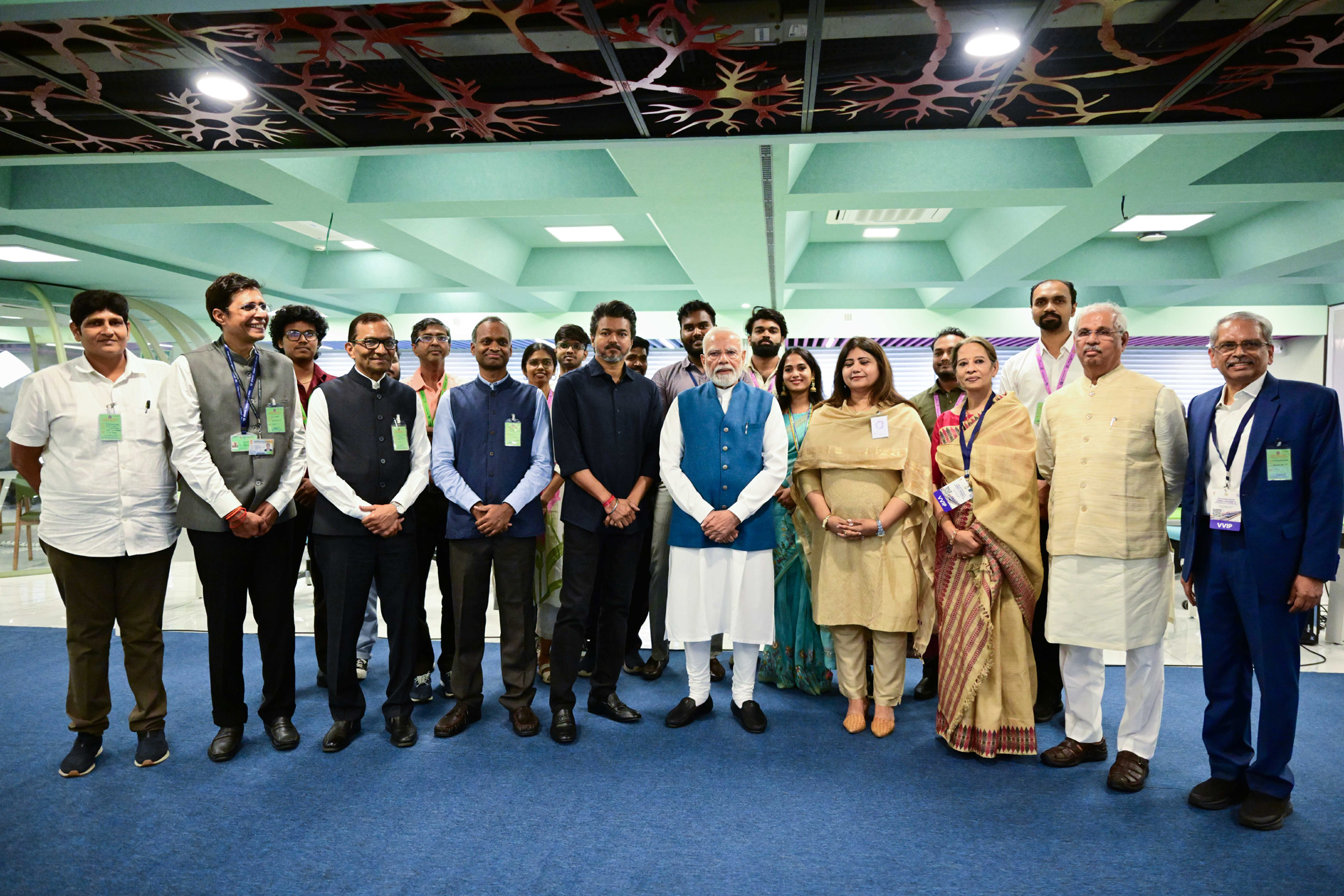
IIT Madras Brain Centre Turns Mapping Research Into A National Science Bet
The Prime Minister's Chennai visit put the Sudha Gopalakrishnan Brain Centre and its high-resolution brain-mapping work in the national technology frame.