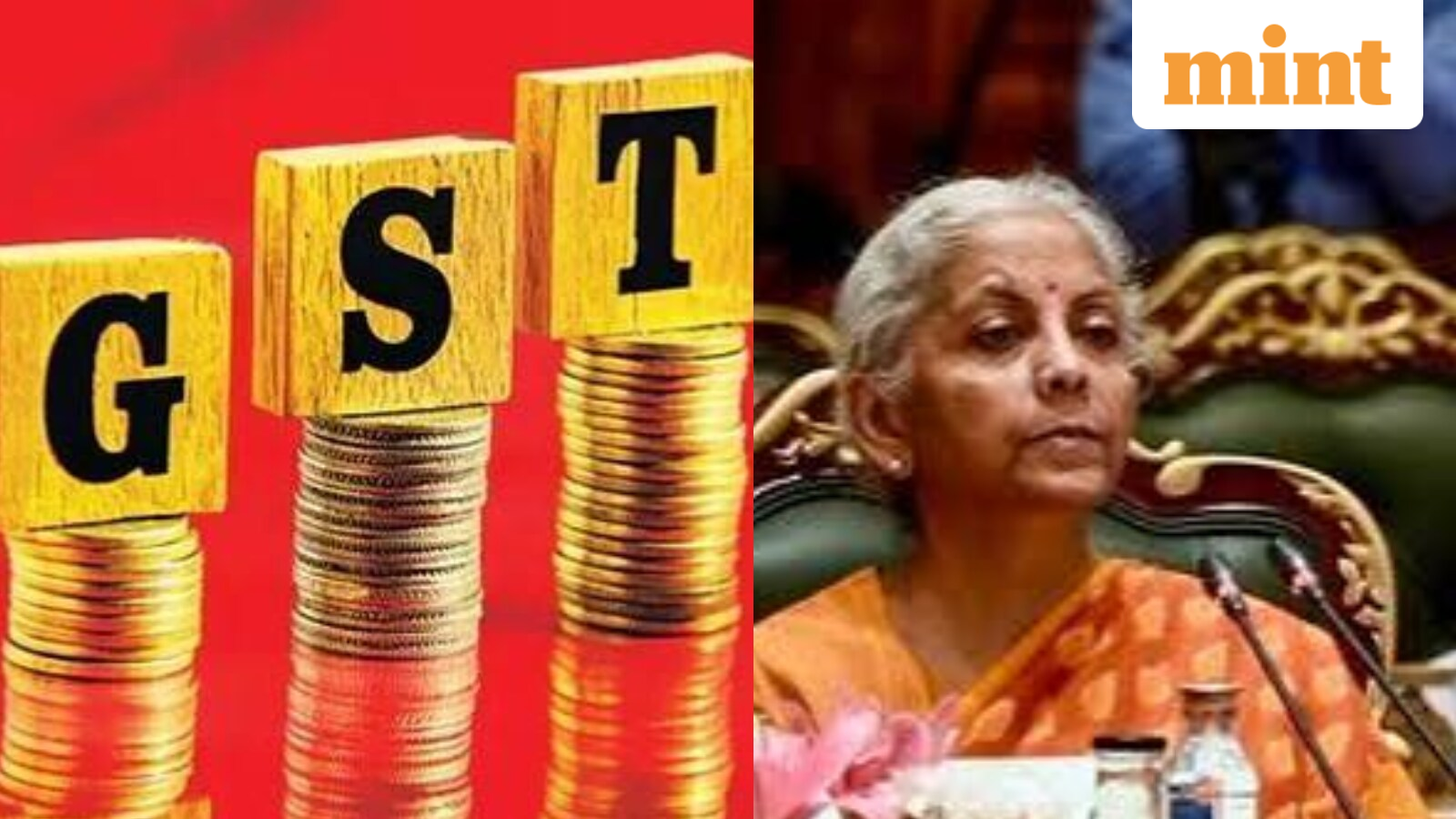
Gold Tariff Move Aims To Ease Import Pressure
Higher import tariffs on precious metals are designed to reduce foreign exchange pressure.

India's decision to raise tariffs on gold and silver imports reflects growing concern about the import bill and pressure on the rupee.
Gold plays a major role in Indian household savings and cultural spending. When uncertainty rises, demand for gold can increase, adding to imports and foreign exchange outflows.
Higher tariffs may slow demand, but they can also create risks such as unofficial channels if buyers continue to seek gold. The policy shows how precious metals remain an economic as well as cultural issue.
Jewellery industry bodies have warned that overly steep tariffs could push organised retail demand into grey markets.
Related Stories
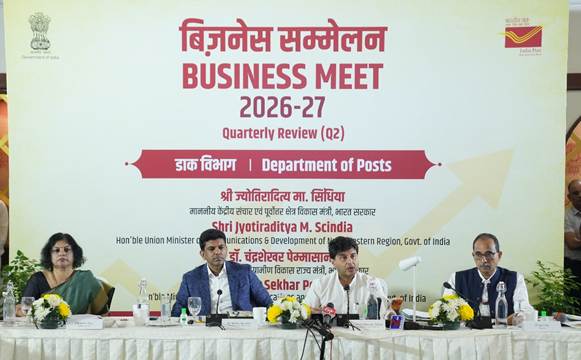
India Post Clears ₹4,000 Crore in a Quarter for the Second Time
India Post reported first-half revenue of ₹8,212.7 crore, with parcel income up 71% year on year in the July–September quarter.
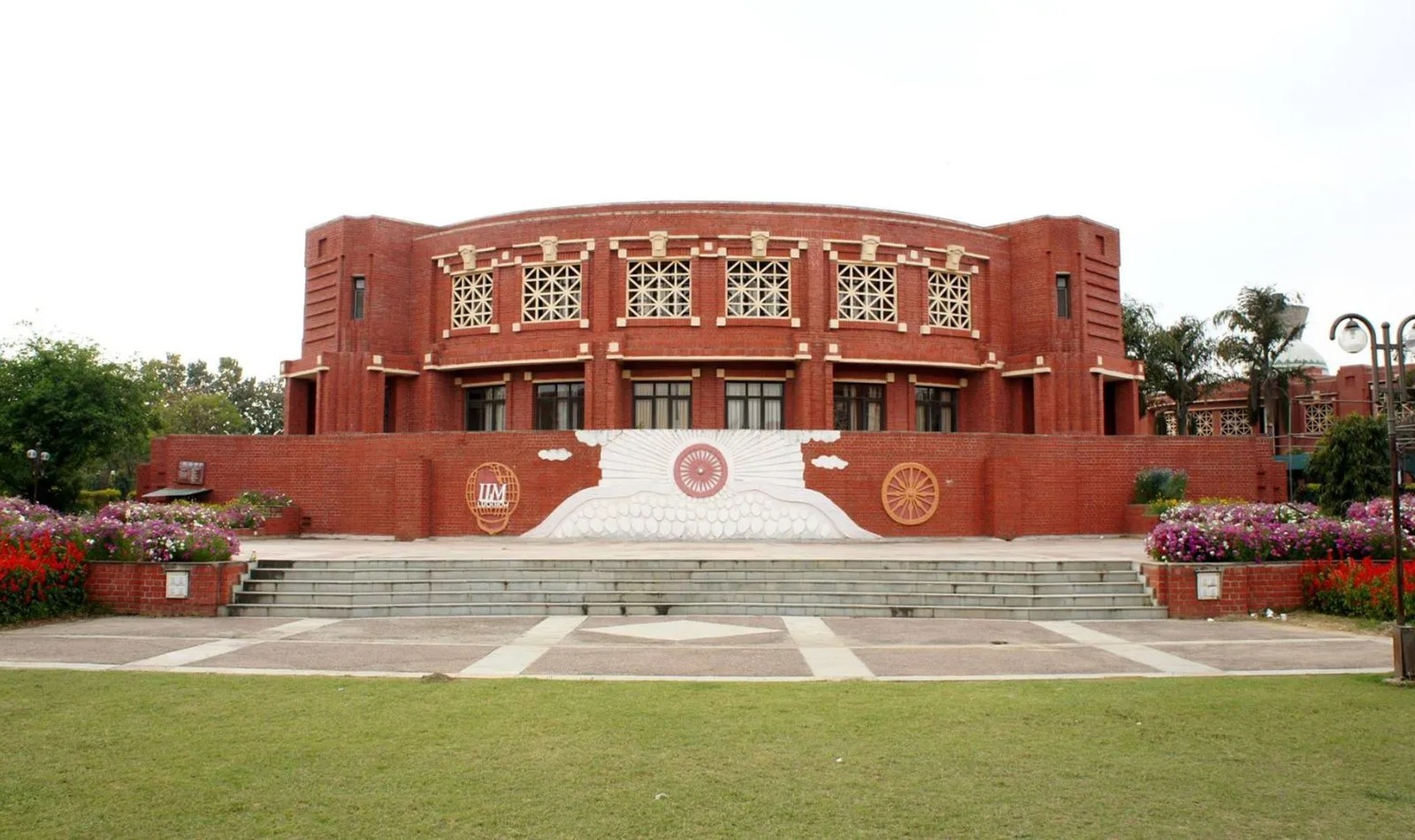
IIM Lucknow's Family-Business MBA Treats Succession As A Management Skill
The two-year programme, starting in July 2027, is aimed at business owners and next-generation leaders who need governance, succession and growth tools.

Fusion CX IPO Puts Kolkata's AI-Enabled Service Firm On The Market Clock
The Rs 702 crore issue opens on October 14 with a Rs 275-289 price band and a fresh-issue component aimed partly at reducing debt.