India-Afghanistan Test Gives Mullanpur A Rare Red-Ball Spotlight
India's one-off Test against Afghanistan has given Mullanpur a rare red-ball spotlight, turning attention to the slower questions that make Test cricket valuable.
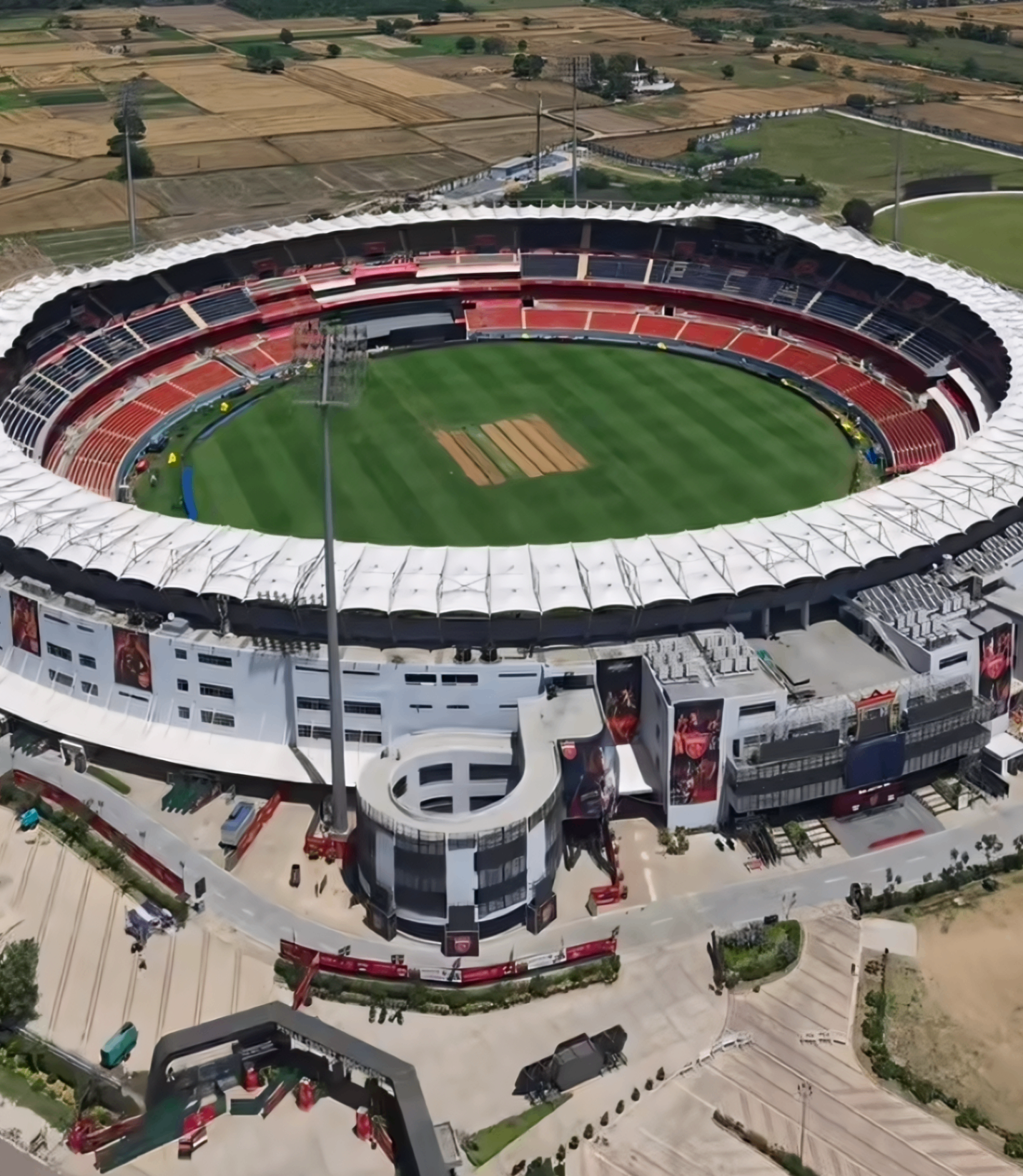
India's one-off Test against Afghanistan has given Mullanpur a rare red-ball spotlight, turning attention away from the usual limited-overs noise and toward the slower questions that make Test cricket valuable: patience, selection depth, bowling discipline and whether an emerging opponent can stretch a stronger home side over multiple days. The fixture is significant not only because of the teams involved, but because Afghanistan's continued presence in Test cricket is part of the sport's larger expansion story.
Live coverage of India versus Afghanistan at Mullanpur tracked the match closely, including India's batting and the involvement of names such as Rishabh Pant and Dhruv Jurel. Because live scores can change quickly, this article avoids presenting a final result and focuses instead on the confirmed shape of the event: a Test match in progress, involving India and Afghanistan, with Mullanpur carrying a national cricket audience.
For India, these matches are often framed around opportunity. A home Test against a less-established red-ball opponent can give selectors a chance to assess wicketkeeping options, middle-order depth, bowling combinations and how fringe players handle expectation. The danger is complacency. Test cricket has a habit of punishing loose sessions, and Afghanistan's best players have already shown across formats that they can change games quickly if given space.
For Afghanistan, every Test against India carries developmental value. The team has produced world-class white-ball talent, especially in spin bowling, but Test cricket asks for a different kind of endurance. Batters must handle longer spells, bowlers must plan dismissals over hours rather than overs, and fielding standards must hold when the game drifts. A one-off Test does not provide the rhythm of a full series, but it does provide evidence of where the side is progressing and where gaps remain.
Mullanpur's role is also worth noting. Indian cricket is increasingly spread across a wider venue map. When a ground outside the most familiar Test centres gets attention, local fans see a different level of cricket and the venue itself is tested for pitch preparation, crowd handling, broadcast requirements and match-day operations. That matters for the long-term health of the domestic cricket ecosystem.
The match also arrives at a time when Test cricket's future is debated constantly. India remains one of the format's financial and audience anchors, while Afghanistan represents the newer cricket nations trying to build deeper structures. A fixture between them is therefore more than a scoreboard. It is a test of whether the international calendar can give developing teams meaningful red-ball exposure without reducing matches to one-sided formalities.
The safest way for fans to follow the match is through live scorecards and official broadcasters, because session updates can change the story within minutes. A wicket burst, a lower-order partnership or a change in pitch behaviour can quickly make a morning's narrative outdated. That is why red-ball coverage rewards patience in the same way the game itself does.
Whatever the final score, the broader value is already visible. India gets a chance to inspect depth in home conditions, Afghanistan gets another demanding Test education, and Mullanpur gets to host cricket that asks spectators to think beyond sixes, highlights and short-form momentum. In a crowded sports market, that slower rhythm is still worth protecting.
Related Stories

Abhishek And Arshdeep Turn Indore Run-Fest Into India's Control Test
India beat West Indies by 14 runs in the third T20I, taking a 2-1 series lead after Abhishek Sharma's 69 and Arshdeep Singh's 3 for 44.
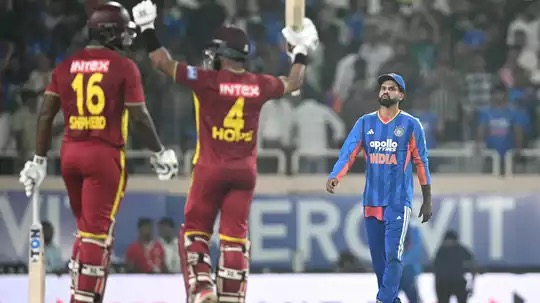
Indore T20I Turns India's Fielding And Bowling Into The Real Test
With the series level at 1-1 after West Indies chased 250 in Ranchi, Sunday's third T20I at Holkar Stadium asks whether India can control a likely run-fest.
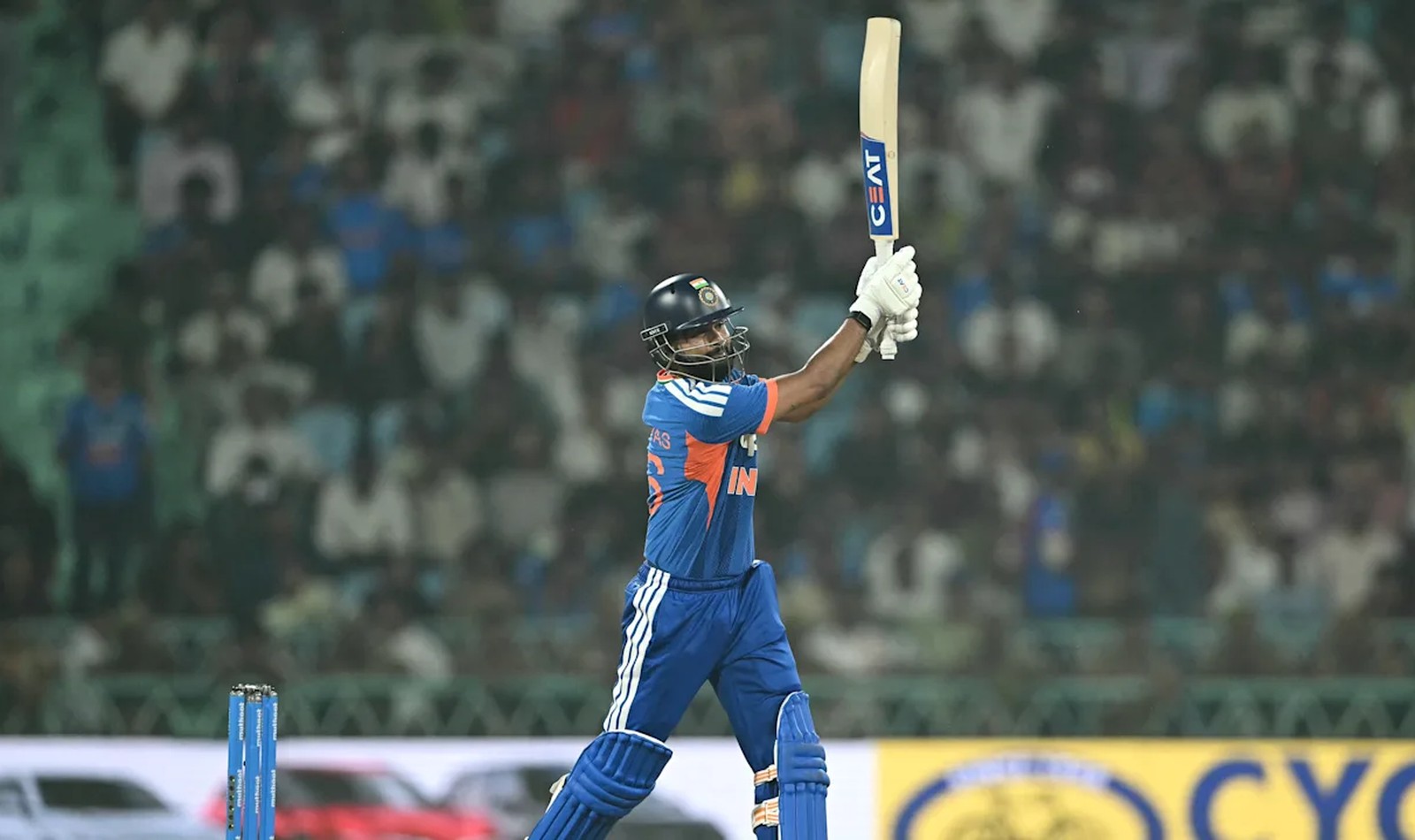
Shreyas Iyer's 42-Ball Century Gives India's T20 Run A Captain's Signature
India chased 172 with 32 balls to spare in Lucknow after Iyer rebuilt from 35 for 2 and completed his maiden T20I hundred as captain.