Yastika Bhatia Becomes First Woman To Score A Test Century At Lord's As India Take Control
Yastika Bhatia has become the first woman to score a Test century at Lord's, turning a strong Indian position into a commanding one at one of cricket's most symbolic venues.
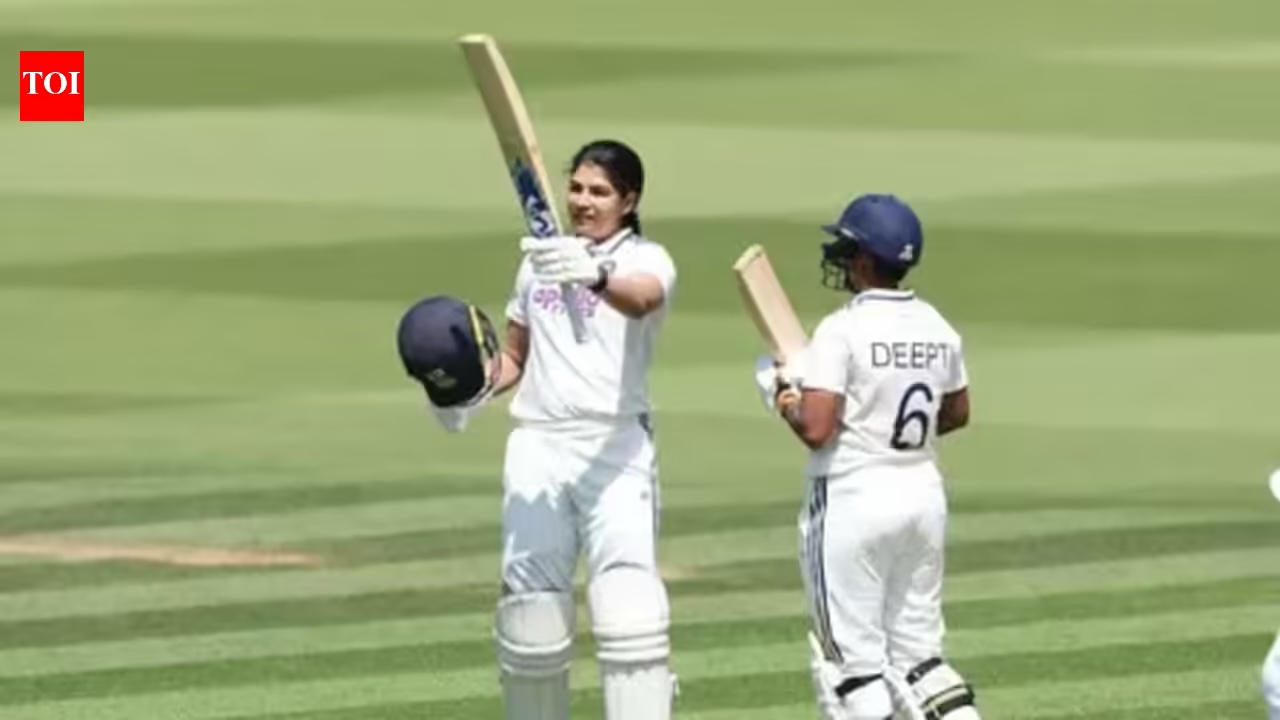
Yastika Bhatia has written herself into cricket history by becoming the first woman to score a Test century at Lord's. The India wicketkeeper-batter reached the milestone on day three of the one-off women's Test against England, turning a strong Indian position into a commanding one and giving the match a landmark moment at one of cricket's most symbolic venues.
Bhatia made 113 off 158 balls, hitting 14 boundaries before being dismissed by Sophie Ecclestone. Her innings was her maiden Test century and also the highest score by an Indian woman in the third or fourth innings of a Test. The previous Indian marks in that situation included Sandhya Agarwal's 98 against New Zealand in Lucknow in 1985 and Sneh Rana's unbeaten 80 against England in Bristol in 2021.
Bhatia's hundred did more than create a record. It gave India control of the match after England had been bowled out for 170 in the first innings. India started their second innings with a 115-run lead and then built a target that left England facing a near-impossible chase. India declared on 341 for 7, setting England 457 to win. England's reply immediately came under pressure, with Tammy Beaumont bowled by Kranti Gaud and Maia Bouchier falling lbw to Sayali Satghare as England slipped to 6 for 2.
The venue gives the achievement extra weight. Lord's has hosted many of cricket's defining men's matches, but women's Tests have had far fewer chances to occupy that stage. A century there places Bhatia on the honours board conversation and gives Indian women's cricket another public milestone after years of rising investment, visibility and expectation. It also came in a match where India were not simply participating in history, but dictating the contest.
For Bhatia personally, the innings strengthens her case as a long-format player capable of controlling tempo under pressure. She combined patience with scoring intent, then pushed India toward a declaration position with support from Smriti Mandhana and later Richa Ghosh. For India, the wider meaning is clear. Their women's team is no longer measured only by limited-overs moments or domestic league visibility. A dominant Test performance at Lord's, built around a historic century, gives the side a result and a symbol.
The match also strengthens the case for more women's Tests. Players cannot build long-format reputations without fixtures, and supporters cannot form habits around a format that appears only occasionally. Bhatia's innings offered the kind of narrative administrators say they want: a recognisable venue, a record, a contest with consequence and a performance that travelled beyond specialist cricket circles. For young Indian cricketers, the image of a wicketkeeper-batter reaching three figures at Lord's is powerful.
Related Stories

Abhishek And Arshdeep Turn Indore Run-Fest Into India's Control Test
India beat West Indies by 14 runs in the third T20I, taking a 2-1 series lead after Abhishek Sharma's 69 and Arshdeep Singh's 3 for 44.
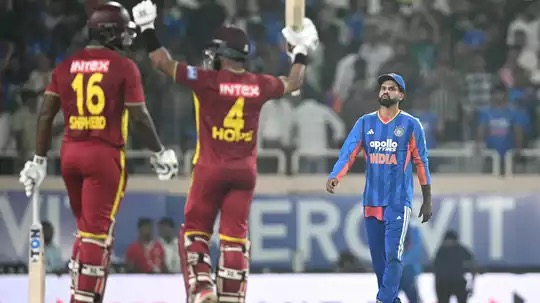
Indore T20I Turns India's Fielding And Bowling Into The Real Test
With the series level at 1-1 after West Indies chased 250 in Ranchi, Sunday's third T20I at Holkar Stadium asks whether India can control a likely run-fest.
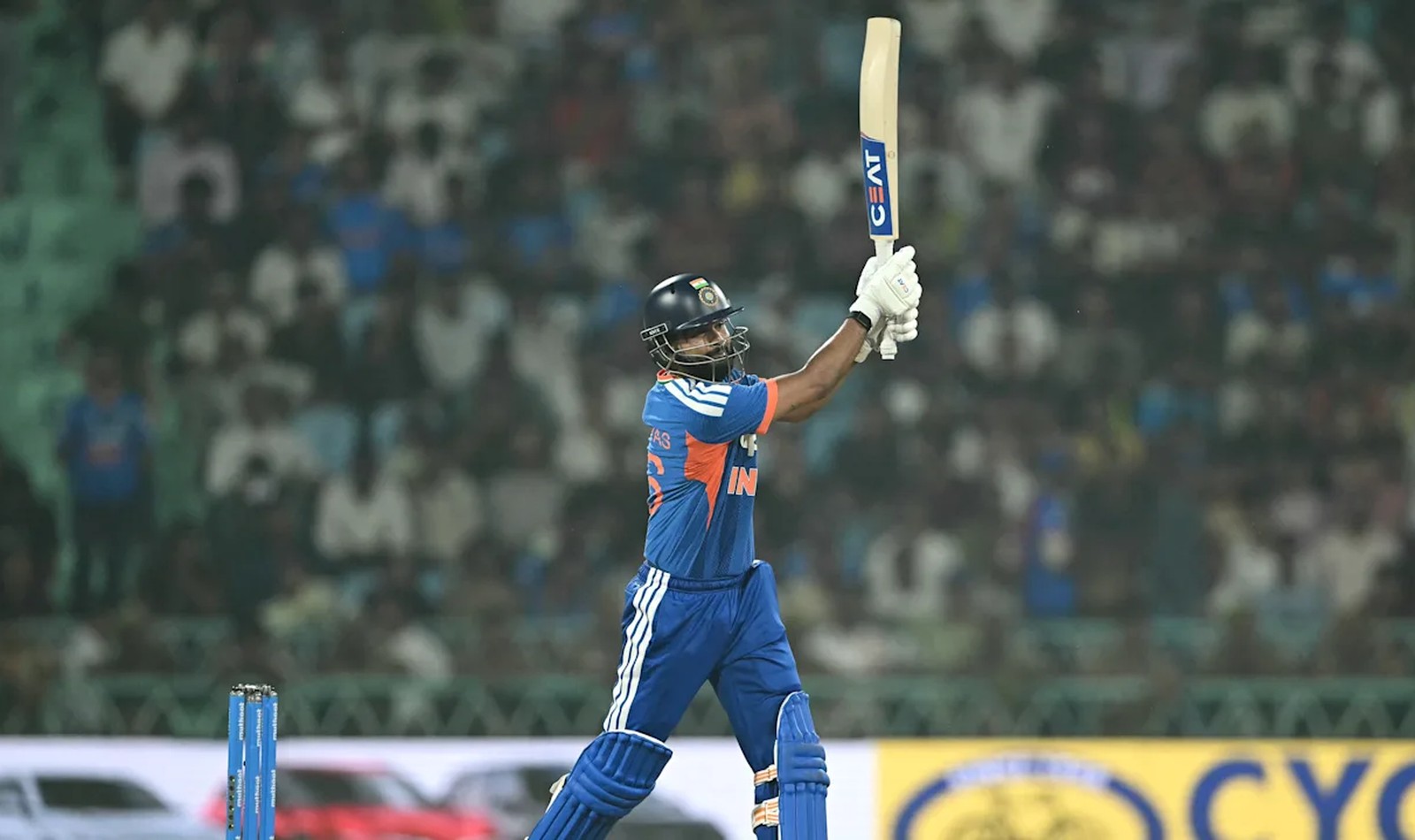
Shreyas Iyer's 42-Ball Century Gives India's T20 Run A Captain's Signature
India chased 172 with 32 balls to spare in Lucknow after Iyer rebuilt from 35 for 2 and completed his maiden T20I hundred as captain.