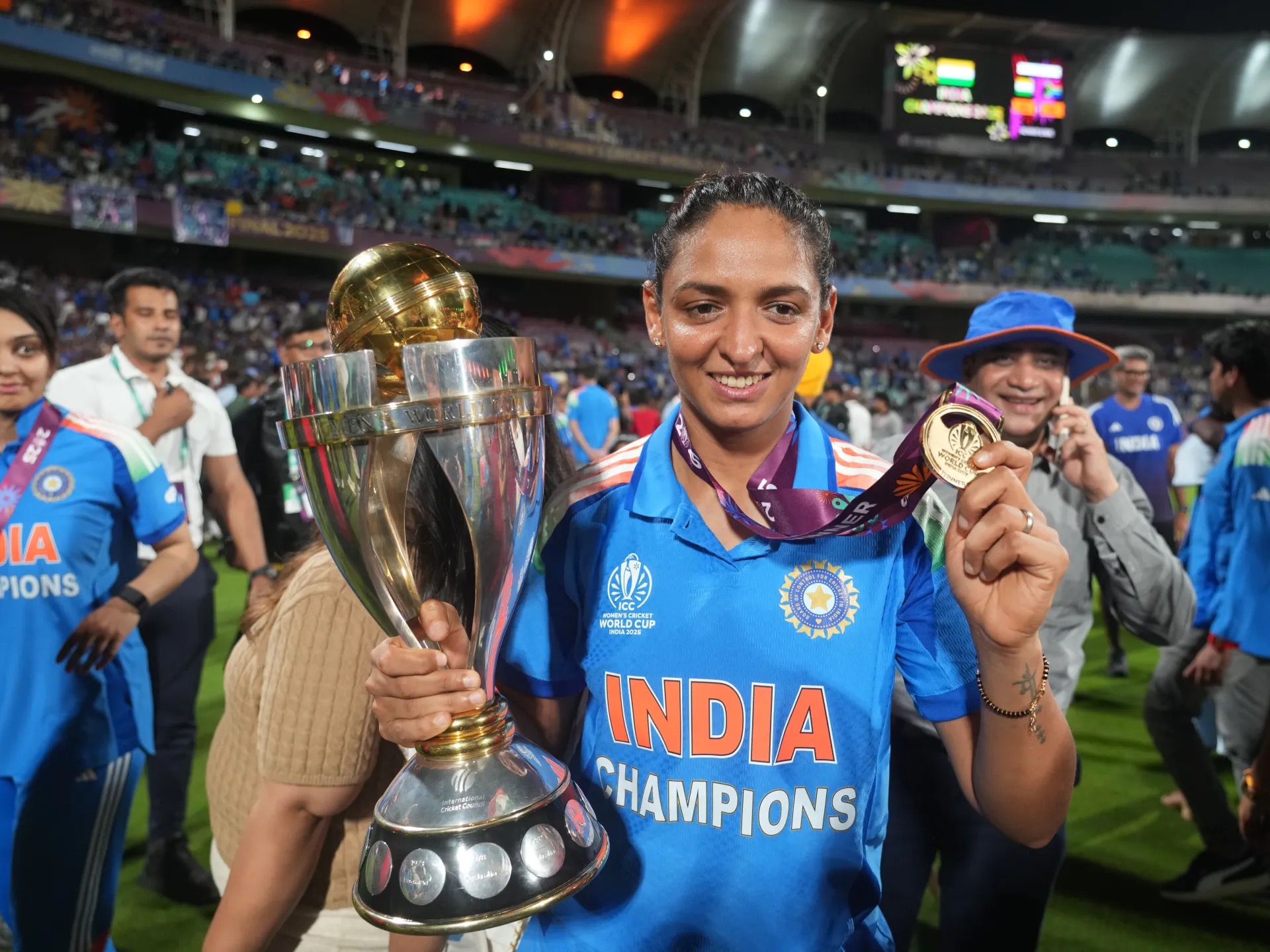
Shafali Verma Fifty Keeps India In Women's T20 World Cup Semifinal Race
Shafali Verma's half-century has kept India alive in the Women's T20 World Cup semifinal race, but the win over Bangladesh also left clear concerns before the final group match against Australia.

Shafali Verma's half-century has kept India alive in the Women's T20 World Cup semifinal race, but the win over Bangladesh also left clear concerns before the final group match against Australia. India beat Bangladesh by five wickets, with Shafali making 53 off 34 balls as India chased 136 in 16.5 overs. The result lifted India into the qualification conversation, but it did not remove the pressure. India still face a defining match against Australia.
The positive part is obvious. In a tournament where net run rate, confidence and selection questions can quickly dominate, India needed a result that kept their campaign from drifting. Shafali's innings gave the chase urgency. A player with her range can change a modest target into a manageable one, especially when she punishes loose bowling early and forces captains to move fields. For India, her runs matter not only on the scoreboard but in the mood around the team.
The result also shows why India continue to be dangerous in tournament cricket. Even when performances are uneven, the side has enough individual quality to reset a match. A top-order burst, a spin squeeze or one clean partnership can be enough to beat many teams. Against Bangladesh, that was sufficient. Against Australia, it may not be.
The warning signs are just as important. Concerns remained despite the win, including fielding and the need to tighten up before the must-win Australia game. Dropped chances and sloppy ground fielding are magnified in short formats because one extra over, one reprieve or one missed run-out can change qualification. Against a strong Australian side, India cannot rely on being given second chances.
The semifinal equation gives Sunday's game a knockout feel. India had their semifinal fate in their own hands after beating Bangladesh, with the Australia match becoming the final test of the group stage. That is a better position than depending entirely on other results, but it also removes excuses. India know the assignment: beat a high-quality opponent or risk watching the knockout rounds without them.
Selection and role clarity now become crucial. India's batting order needs to know who attacks, who anchors and who handles spin match-ups. The bowlers need fielding support. The captaincy group needs plans for Australia's power hitters and enough flexibility if the pitch or conditions change. World Cup matches are often decided less by broad talent than by execution under pressure.
For Shafali, the Bangladesh innings can be a launchpad if she treats it as evidence rather than guarantee. Her best cricket gives India a different ceiling because it forces opponents to defend earlier than they want. But the same attacking game needs shot selection, especially against stronger bowling. The challenge is to keep the fearlessness while cutting out the avoidable risk.
India are still alive. That is the headline. The next line is tougher: alive is not the same as ready. The Australia match will show whether the Bangladesh win was a turning point or merely a stay of elimination.
Related Stories

Abhishek And Arshdeep Turn Indore Run-Fest Into India's Control Test
India beat West Indies by 14 runs in the third T20I, taking a 2-1 series lead after Abhishek Sharma's 69 and Arshdeep Singh's 3 for 44.
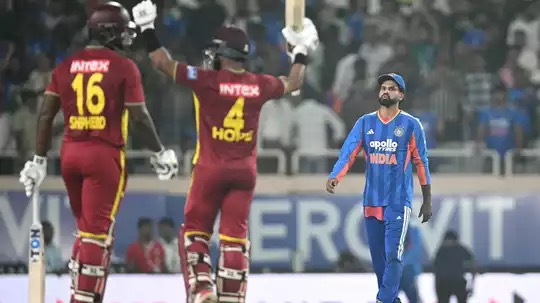
Indore T20I Turns India's Fielding And Bowling Into The Real Test
With the series level at 1-1 after West Indies chased 250 in Ranchi, Sunday's third T20I at Holkar Stadium asks whether India can control a likely run-fest.
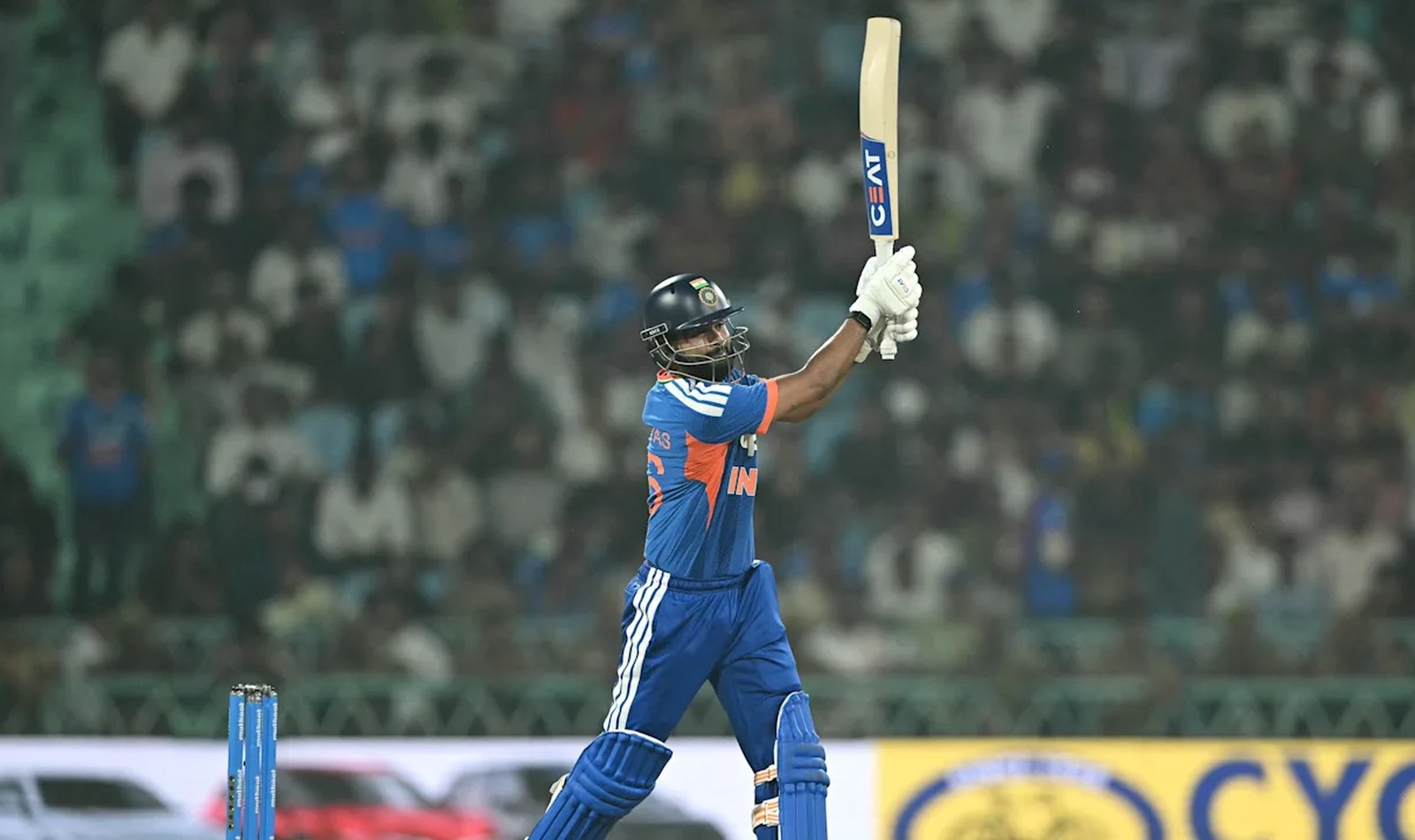
Shreyas Iyer's 42-Ball Century Gives India's T20 Run A Captain's Signature
India chased 172 with 32 balls to spare in Lucknow after Iyer rebuilt from 35 for 2 and completed his maiden T20I hundred as captain.