India's Mullanpur Rout Of Afghanistan Gives Selectors Evidence, Not Final Answers
India's innings-and-300-run win over Afghanistan in the one-off Test at Mullanpur was emphatic enough to make history, but its real value lies in separating evidence from overreaction.

India's innings-and-300-run win over Afghanistan in the one-off Test at Mullanpur was emphatic enough to make history, but its real value for selectors lies in separating useful evidence from easy overreaction. Onmanorama reported that India completed its biggest Test victory by bowling Afghanistan out twice inside three days after declaring at 564 for 8. NDTV Sports also reported the scale of the result and highlighted left-arm spinner Manav Suthar as one of the major takeaways from the match.
The scoreboard tells one story. KL Rahul and Shubman Gill made centuries, India's first innings created overwhelming pressure, Afghanistan were dismissed for 152 and then 112, and the hosts completed a result that was never seriously in doubt once the first-innings gap opened. That is dominance, and it deserves to be recorded as such. But a one-off home Test against a developing red-ball side cannot answer every question about India's next overseas assignment or the long-term shape of the Test team.
Suthar's performance is still important. A debutant spinner who takes a major haul in a Test match has done exactly what opportunity demands. The left-arm angle, control and ability to attack both edges of the bat will be noted, especially because India is always thinking about spin depth beyond established names. The selectors will ask whether his strengths travel to different pitches, different balls and stronger batting line-ups. That is not a criticism. It is the normal process of turning a good home performance into a longer-term selection judgement.
Washington Sundar's contribution also matters because he offers balance. In modern Test cricket, selectors value players who can lengthen the batting order without weakening the bowling plan. Sundar's wickets in the follow-on innings add to the case that he can be more than a holding option. The challenge, again, is context. Afghanistan under pressure at Mullanpur is not the same as a top-order partnership in an overseas series, but wickets taken in a Test still count as evidence.
The batting runs were reassuring in a different way. Rahul and Gill scoring hundreds gave India control, but they also reinforced the importance of experienced decision-making. Against a weaker opponent, the danger is often impatience: batters chase quick dominance and leave the door open. India did not do that. The large declaration total made the match about scoreboard pressure, not just bowling skill.
Afghanistan's struggle should be read with fairness. The side has white-ball quality, but Test cricket requires repeated red-ball exposure, domestic depth, bowling endurance and batting habits that cannot be built through occasional fixtures alone. A three-day defeat shows the gap, but it also shows why more structured red-ball opportunities matter if Afghanistan is expected to compete in the format.
For Mullanpur, the match provided a clear identity as a Test venue: a ground where India turned batting depth and spin pressure into a record result. For the national side, the win offers useful data. It should not lock in every selection view, and it should not be dismissed as meaningless. The best reading sits in the middle. India found performances worth tracking, Afghanistan found the size of the red-ball climb, and selectors now have evidence to weigh against harder tests ahead.
Related Stories

Abhishek And Arshdeep Turn Indore Run-Fest Into India's Control Test
India beat West Indies by 14 runs in the third T20I, taking a 2-1 series lead after Abhishek Sharma's 69 and Arshdeep Singh's 3 for 44.
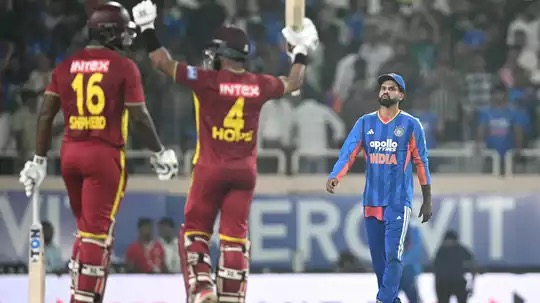
Indore T20I Turns India's Fielding And Bowling Into The Real Test
With the series level at 1-1 after West Indies chased 250 in Ranchi, Sunday's third T20I at Holkar Stadium asks whether India can control a likely run-fest.
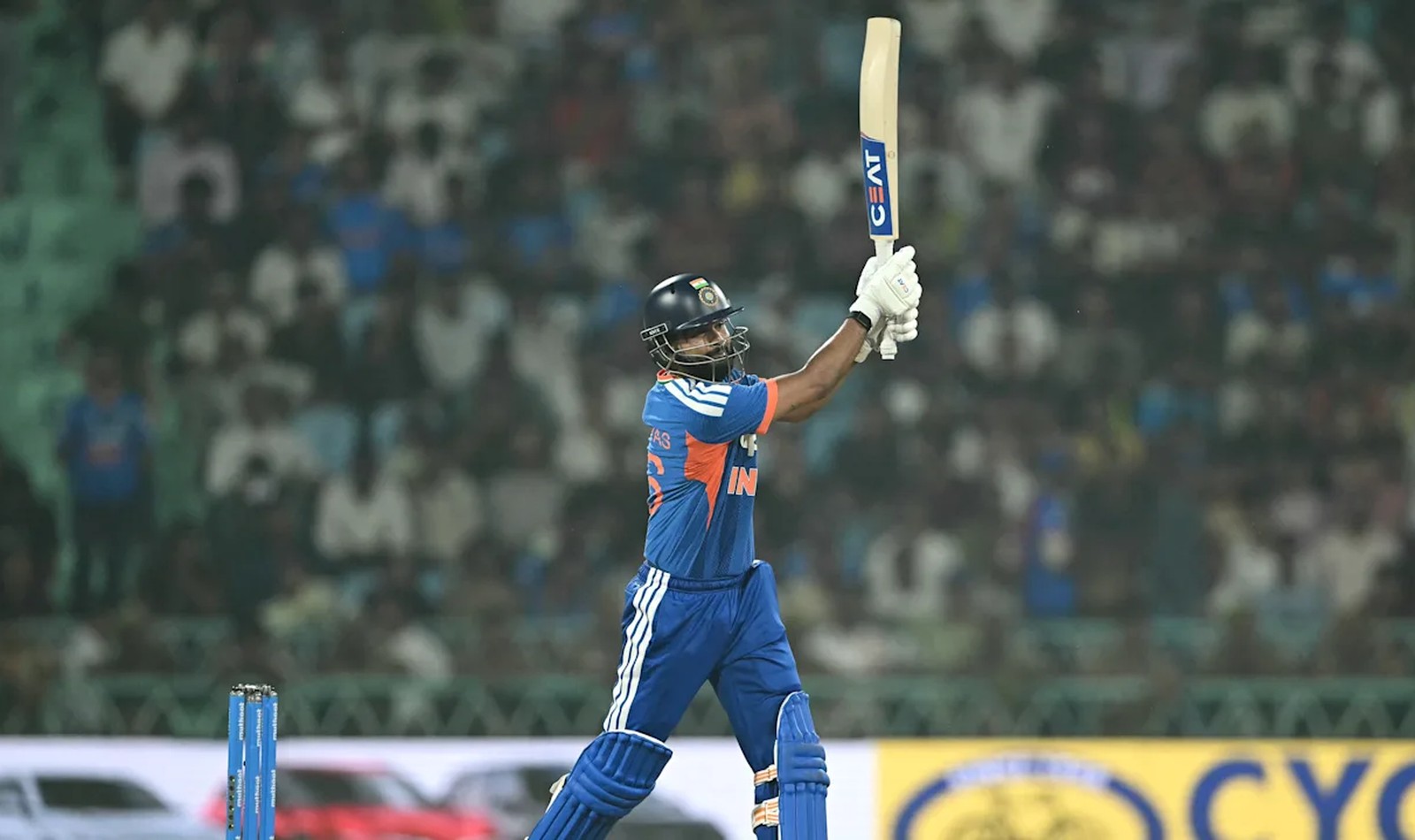
Shreyas Iyer's 42-Ball Century Gives India's T20 Run A Captain's Signature
India chased 172 with 32 balls to spare in Lucknow after Iyer rebuilt from 35 for 2 and completed his maiden T20I hundred as captain.