Bank Strike Opens Five-Day Service Test As Branches Work Sunday Before September 28 Walkout
India's public sector banks are entering a difficult service week after branches were opened on Sunday, September 27, to soften the impact of a three-day...
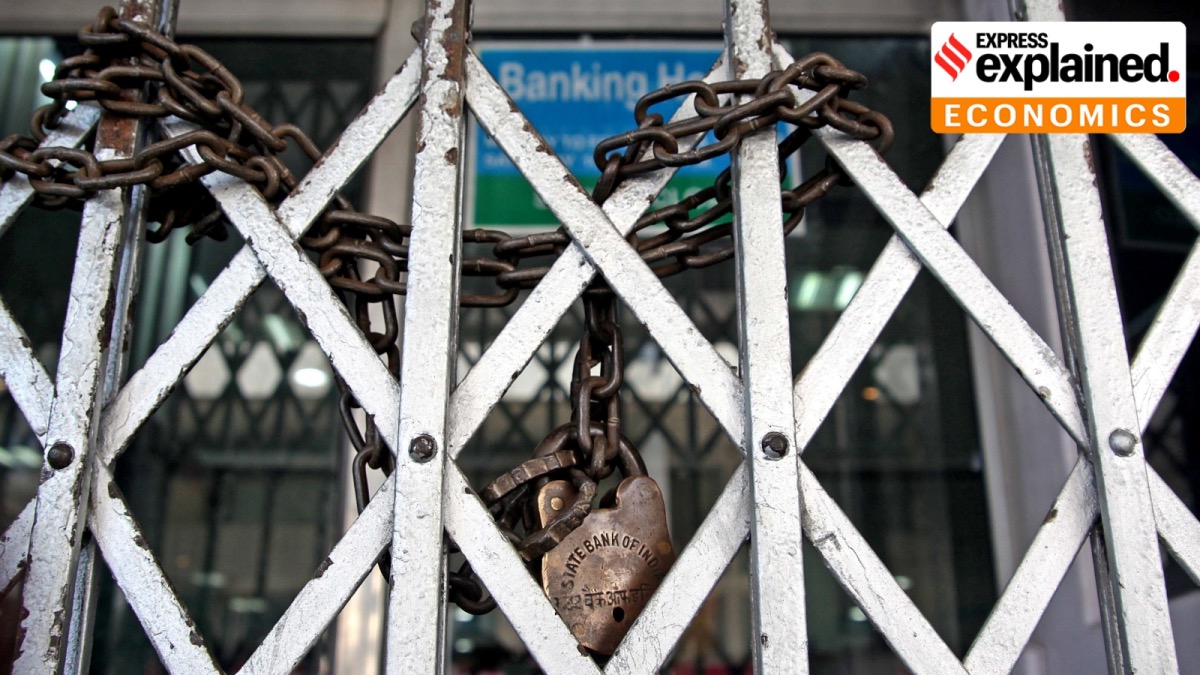
India's public sector banks are entering a difficult service week after branches were opened on Sunday, September 27, to soften the impact of a three-day nationwide strike called from September 28 to 30. The United Forum of Bank Unions has called the walkout, and the timing is unusually sensitive because it follows the weekend and overlaps with the September 30 half-yearly bank closing. For customers, the immediate message is practical rather than political: branch-dependent work may be harder to complete, while digital banking, ATMs and online payments are expected to remain available.
The dispute is centred on a five-day banking week, with unions arguing that the demand has been pending since the last wage settlement cycle. At present, bank branches close on the second and fourth Saturdays, while many branches operate on other Saturdays. The unions want all Saturdays to become holidays, with the working-hours question handled through weekday scheduling. The government and bank managements have urged unions to defer the action, saying multiple stakeholders and service obligations have to be considered.
The Sunday opening was therefore an attempt to prevent a straight five-day branch gap. Public sector banks and regional rural banks were asked to keep offices, branches, ATM-linked branches and currency chests operating on September 27. The Finance Ministry also asked banks to keep adequate cash in ATMs and maintain essential services during the strike period. That does not remove the risk of disruption, but it gives households and businesses a short window to finish urgent cash, cheque, passbook, loan-document or branch-only work.
The services most exposed are physical-branch transactions. Cash deposits and withdrawals at counters, cheque clearing, account paperwork, KYC updates, locker visits and some business banking activity could slow if staff participation is high. Private sector banks may be less affected, though customers should still check local branch notices. UPI, internet banking, mobile banking and ATMs are expected to keep working, which means daily retail payments should continue unless local cash or staffing problems emerge.
September 30 makes the strike more serious for banks themselves. Half-year closing involves reconciliation, provisioning, treasury positions and market operations. A strike during that window can create back-office pressure even if customers see only a closed shutter. The government has warned about the wider operational impact, while unions say the unresolved five-day-week issue cannot be left indefinitely.
For customers, the safest approach is to avoid assuming that a nearby branch will function normally from Monday through Wednesday. Salaries, pensions, business deposits, cheque instruments, loan paperwork and documentation deadlines should be handled through digital channels where possible or checked directly with the branch. The broader test is whether the government and unions can reach a settlement before the threat of a longer October strike becomes the next service risk.
Related Stories

India Post Clears ₹4,000 Crore in a Quarter for the Second Time
India Post reported first-half revenue of ₹8,212.7 crore, with parcel income up 71% year on year in the July–September quarter.
IIM Lucknow's Family-Business MBA Treats Succession As A Management Skill
The two-year programme, starting in July 2027, is aimed at business owners and next-generation leaders who need governance, succession and growth tools.

Fusion CX IPO Puts Kolkata's AI-Enabled Service Firm On The Market Clock
The Rs 702 crore issue opens on October 14 with a Rs 275-289 price band and a fresh-issue component aimed partly at reducing debt.