Bengaluru Rain Alert Shows How Fast The Monsoon Can Change A City's Risk Profile
Bengaluru and wider Karnataka moved into a sharper monsoon risk window this week after the IMD warned of heavy rainfall and issued a red alert for south interior Karnataka.
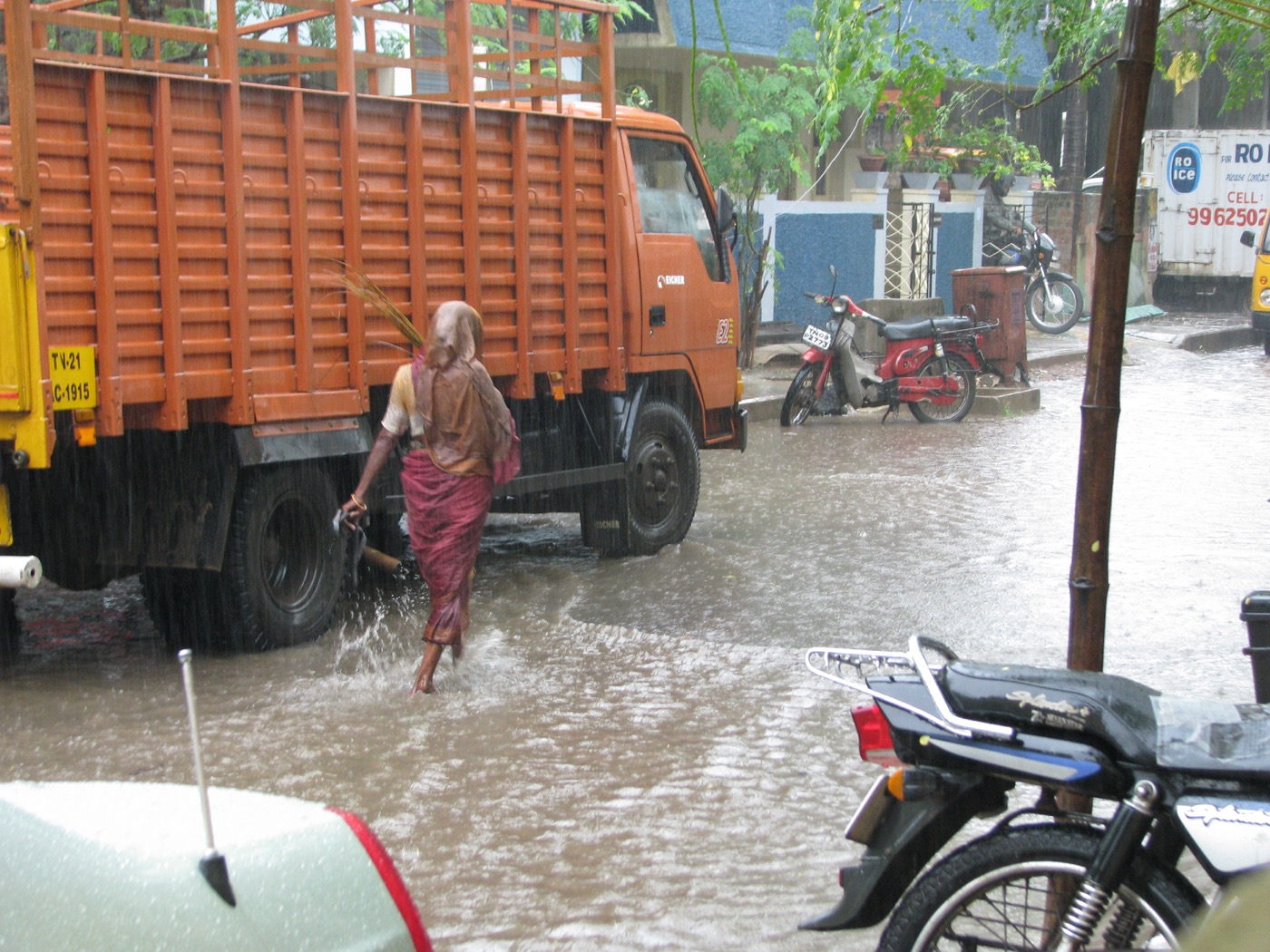
Bengaluru and wider Karnataka moved into a sharper monsoon risk window this week after the India Meteorological Department warned of heavy rainfall. News9live reported on 8 June that Bengaluru and other parts of Karnataka were expected to receive heavy rain from Tuesday, 9 June, with a red alert sounded for south interior Karnataka on 9 June and the entire state on 10 June. The report said an orange alert was also issued for the whole of Karnataka for 11 June.
The forecast is a reminder that the monsoon changes a city's risk profile quickly. A city that has been discussing heat, power demand and water stress can move within days to traffic disruption, waterlogging, falling trees, poor visibility and pressure on drainage systems. Bengaluru is especially sensitive because its rapid growth has placed intense pressure on lakes, stormwater drains, road corridors and low-lying neighbourhoods.
News9live cited the Karnataka State Natural Disaster Monitoring Centre as saying the state received normal pre-monsoon rains from March to May, with 125 mm against an average of 115 mm. But the distribution was uneven. South interior Karnataka received slightly below-average pre-monsoon rainfall, while north interior Karnataka recorded excess rainfall. That unevenness matters because flood risk, soil moisture and local preparedness can vary widely across districts even when statewide numbers look normal.
For residents, the practical advice is more important than the colour of the alert alone. People should avoid unnecessary travel during intense rain bands, keep phones charged, check public transport updates, avoid parking under weak trees, and stay away from flooded underpasses. Motorists should not assume a familiar road is safe if water has collected. Two-wheelers are especially vulnerable when potholes, drain covers and road edges are hidden under water.
Offices and schools also need clear communication. Heavy-rain alerts can become chaotic when institutions wait until the last minute to decide on attendance, transport or remote-work arrangements. Bengaluru's economy depends heavily on commuting and digital work. A well-timed advisory can prevent thousands of avoidable trips and reduce pressure on emergency services.
The municipal test is drainage readiness. Early monsoon showers often reveal which desilting work was completed, which stretches are blocked by construction debris and which neighbourhoods need pumps or traffic diversions. Public agencies should communicate specific problem points rather than only issuing broad warnings. Residents can act better when they know which underpasses, lakeside roads or layouts are most exposed.
The red alert also sits inside the larger national monsoon transition. Some parts of India are still dealing with heat, while southern and coastal regions prepare for heavy rain. That split makes district-level forecasts essential. National monsoon headlines can be useful, but decisions are made locally: school routes, office timings, drainage checks, power restoration teams and medical readiness.
Bengaluru's rain warning should not be treated as panic. It should be treated as planning time. The city has enough experience with sudden flooding to know the pattern. The difference between disruption and danger often lies in whether citizens and agencies act before the heaviest rain arrives.
Related Stories
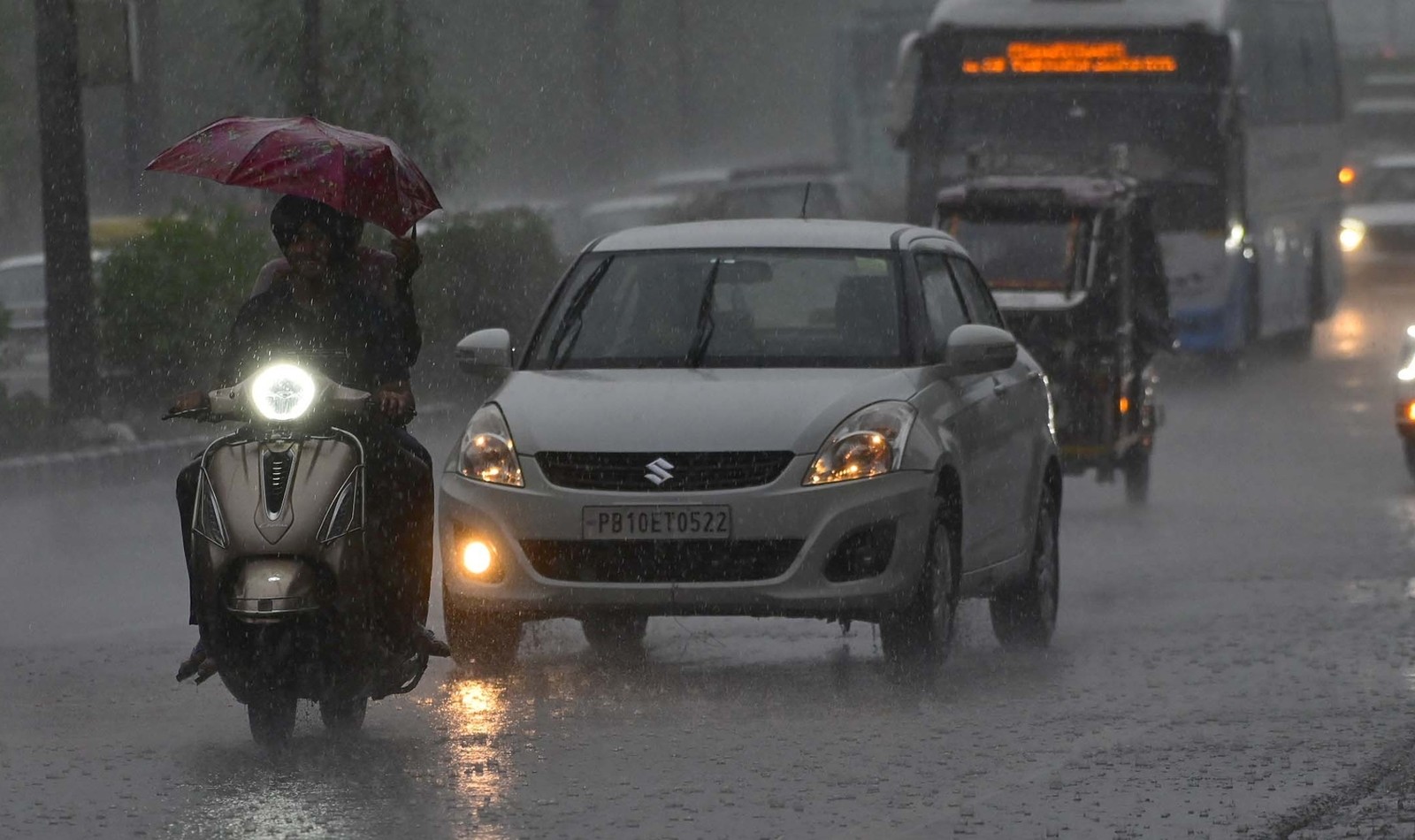
Delhi's Red-Alert Rain Turns A Weather Break Into A Commute Stress Test
Heavy rain, thunderstorms and an IMD red alert brought cooler air but also waterlogging and morning traffic risk across the National Capital Region.
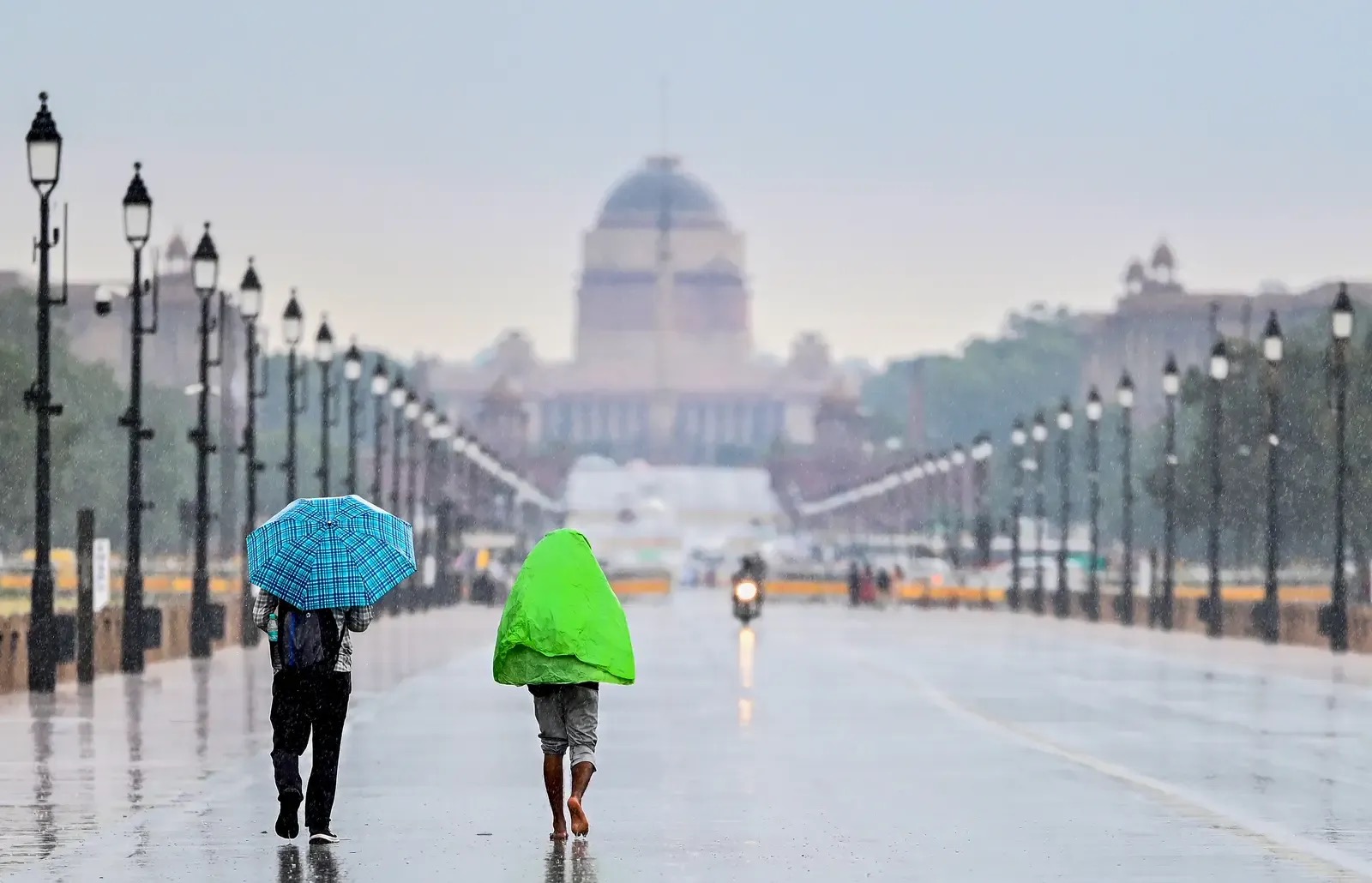
Delhi's Weekend Rain Window Comes With A Dust-Control Warning
Rain, thunderstorms and winds up to 50 kmph may give Delhi-NCR temporary relief, but high minimum temperatures and construction dust keep the air-quality risk alive.
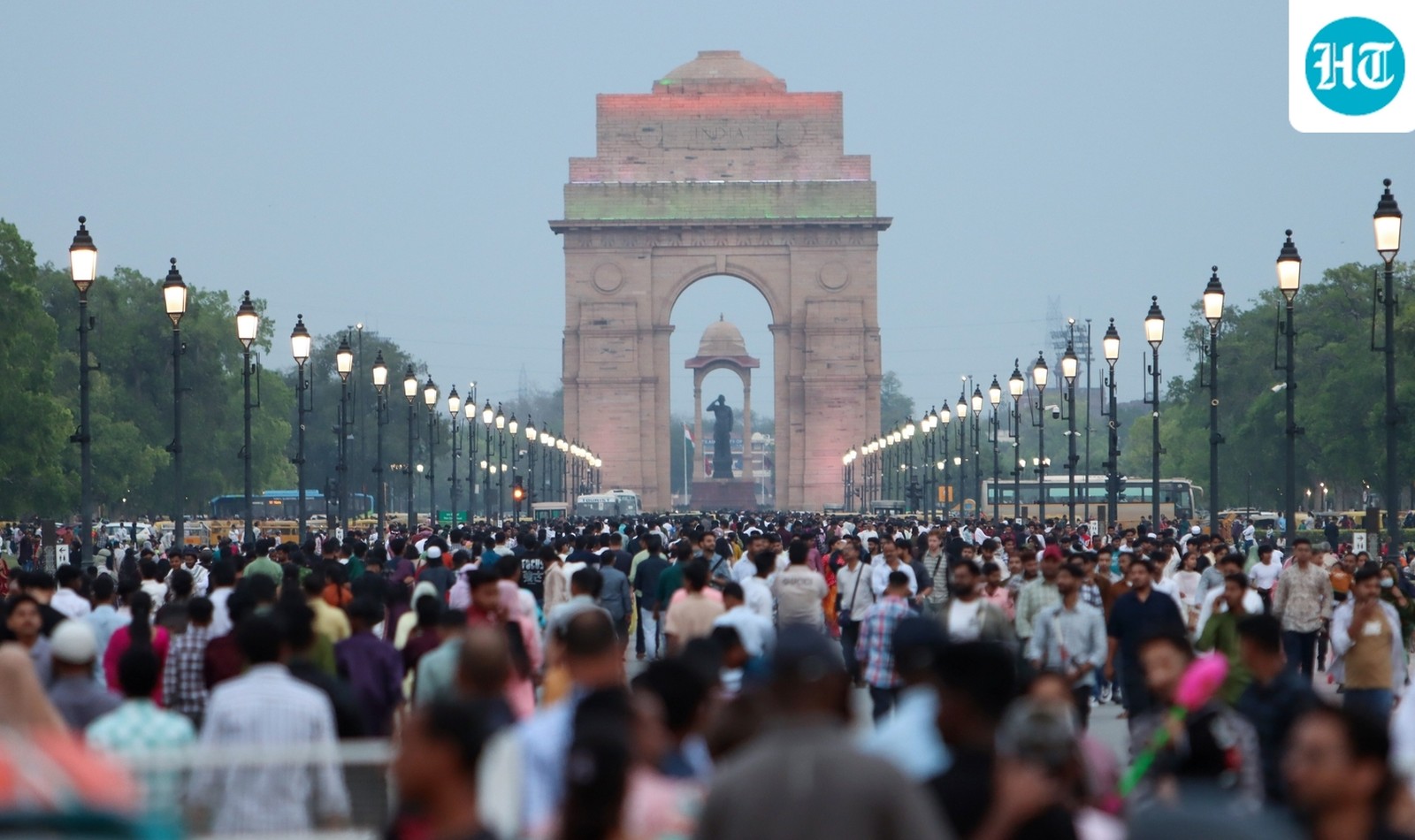
Delhi's Partly Cloudy Forecast Keeps The AQI Watch In Place
IMD's local forecast for New Delhi-Safdarjung shows partly cloudy skies on October 8 after the scattered-rain window, with temperatures expected around 34 and 22 degrees Celsius.