Dilip Tirkey Questions Hockey India Jersey Switch As Saffron Row Becomes Governance Dispute
Hockey India's saffron jersey controversy has moved from colour symbolism into governance, with federation president Dilip Tirkey asking who authorised the...

Hockey India's saffron jersey controversy has moved from colour symbolism into governance, with federation president Dilip Tirkey asking who authorised the national team's switch away from its traditional blue identity and whether the proper process was followed. The dispute matters because the jersey is not a minor merchandise decision. In Indian hockey, blue carries decades of public memory, athlete identity and national-team branding. Changing it without a clear institutional pathway was always likely to trigger questions beyond design preference.
According to reporting from Bengaluru, Tirkey wrote to Hockey India's director general, Cdr RK Srivastava, after receiving an explanation on the approval process. Tirkey's response reportedly argued that the issue was not merely the colour or design of a playing jersey, but the authority under which a recognisable national symbol was changed, the consultations undertaken, compliance with Hockey India's governance framework and whether appropriate institutional processes were followed. That framing turns the row into an accountability issue inside the federation rather than a short-lived public debate.
The timing is awkward for Indian hockey. The national programme is trying to sustain competitive momentum, build depth and prepare for major international assignments, including World Cup cycles and multi-sport events. A federation dispute over kit design can look trivial compared with selection, coaching, facilities and athlete welfare. But symbols matter in sport precisely because they become shorthand for continuity. If players, administrators, former Olympians and fans believe a core identity was altered without a transparent decision, the federation risks distracting attention from performance and weakening confidence in its internal processes.
The colour itself has been politically charged because saffron carries religious and political associations in India, even though it also appears in the national flag. Critics of the switch have argued that the move dilutes the long-standing "Men in Blue" identity and places athletes in the middle of a symbolic battle they did not choose. Supporters may see the change as a valid national-colour expression or a branding refresh. The governance question, however, is separate from those preferences. A sports body can make design changes, but it should be able to show who proposed them, who approved them and whether athletes and relevant committees were consulted.
For federation leadership, the cleanest path is disclosure. Hockey India can reduce speculation by publishing the decision timeline, the committee or officials involved, commercial considerations if any, and whether the change applies to all teams or specific tournaments. If the process was sound, clarity will help. If it was not, the federation should acknowledge the gap and set a better approval framework for future identity changes. Silence will only allow the row to keep expanding into broader claims about politicisation, administrative overreach and weak checks inside sports bodies.
For players, the priority remains performance, but athletes should not have to carry avoidable governance disputes into competition. National teams need stable systems around them: kit, travel, coaching, medical support and communication should feel predictable. Tirkey's intervention is therefore not only about a jersey. It is a reminder that Indian sport's professionalisation depends on boring but essential governance habits. Major decisions should be documented, accountable and explainable before they become public controversies.
Related Stories
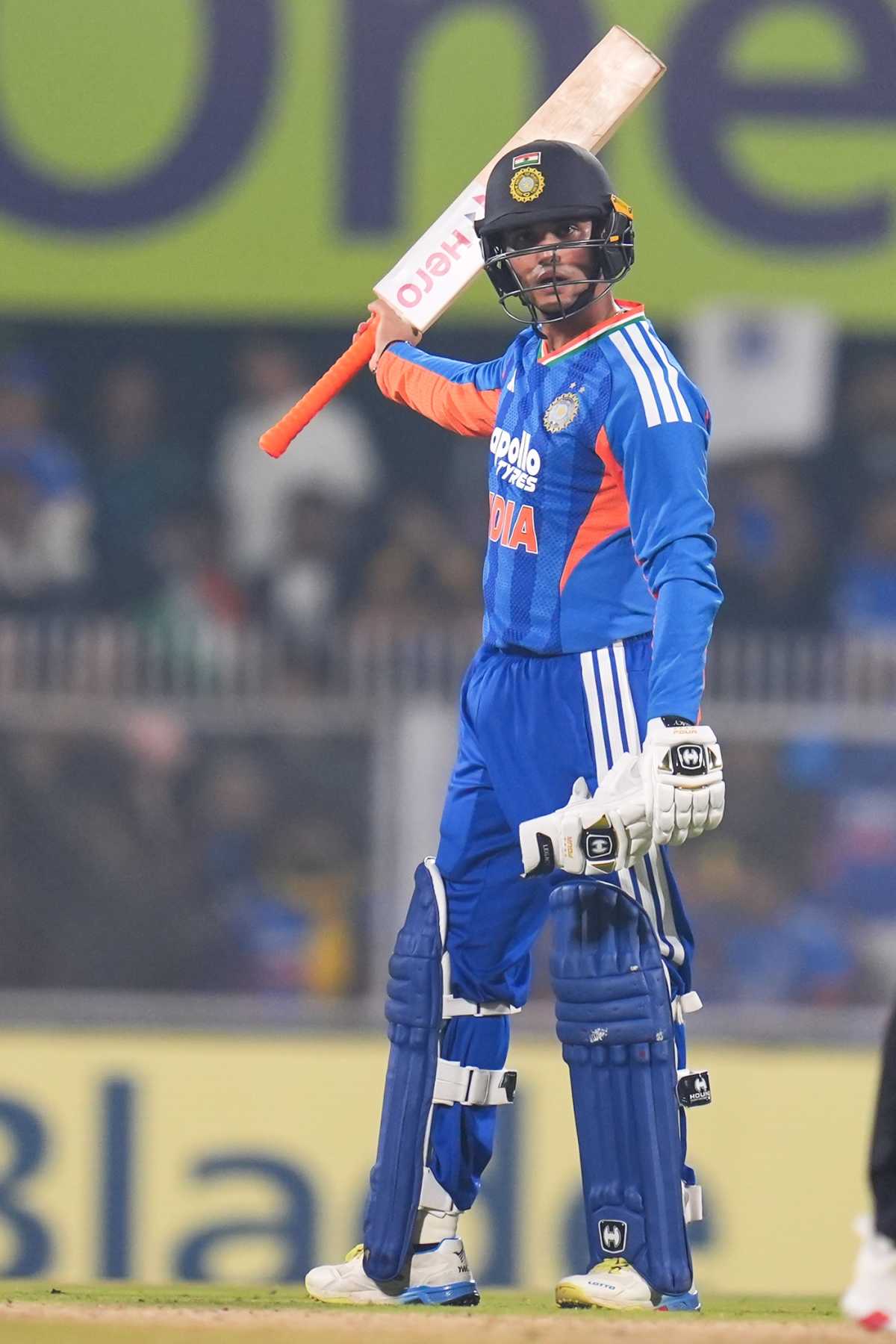
Abhishek And Arshdeep Turn Indore Run-Fest Into India's Control Test
India beat West Indies by 14 runs in the third T20I, taking a 2-1 series lead after Abhishek Sharma's 69 and Arshdeep Singh's 3 for 44.
Indore T20I Turns India's Fielding And Bowling Into The Real Test
With the series level at 1-1 after West Indies chased 250 in Ranchi, Sunday's third T20I at Holkar Stadium asks whether India can control a likely run-fest.
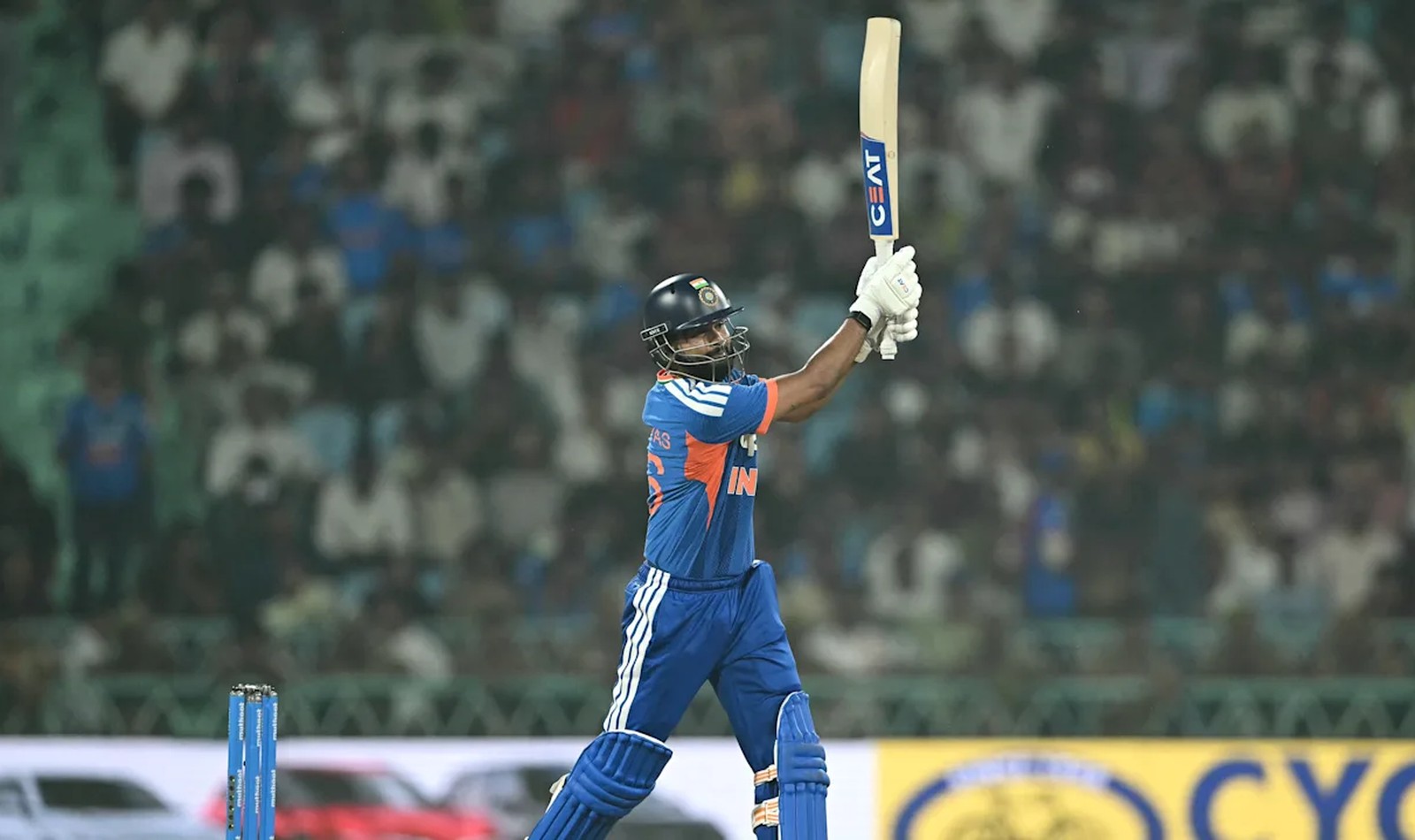
Shreyas Iyer's 42-Ball Century Gives India's T20 Run A Captain's Signature
India chased 172 with 32 balls to spare in Lucknow after Iyer rebuilt from 35 for 2 and completed his maiden T20I hundred as captain.