Harmanpreet Kaur Leaves The Captaincy With India's Women's Cricket Bar Set Higher
Harmanpreet Kaur has stepped down across formats after a long captaincy that included India's first Women's World Cup title and another Asian Games gold.
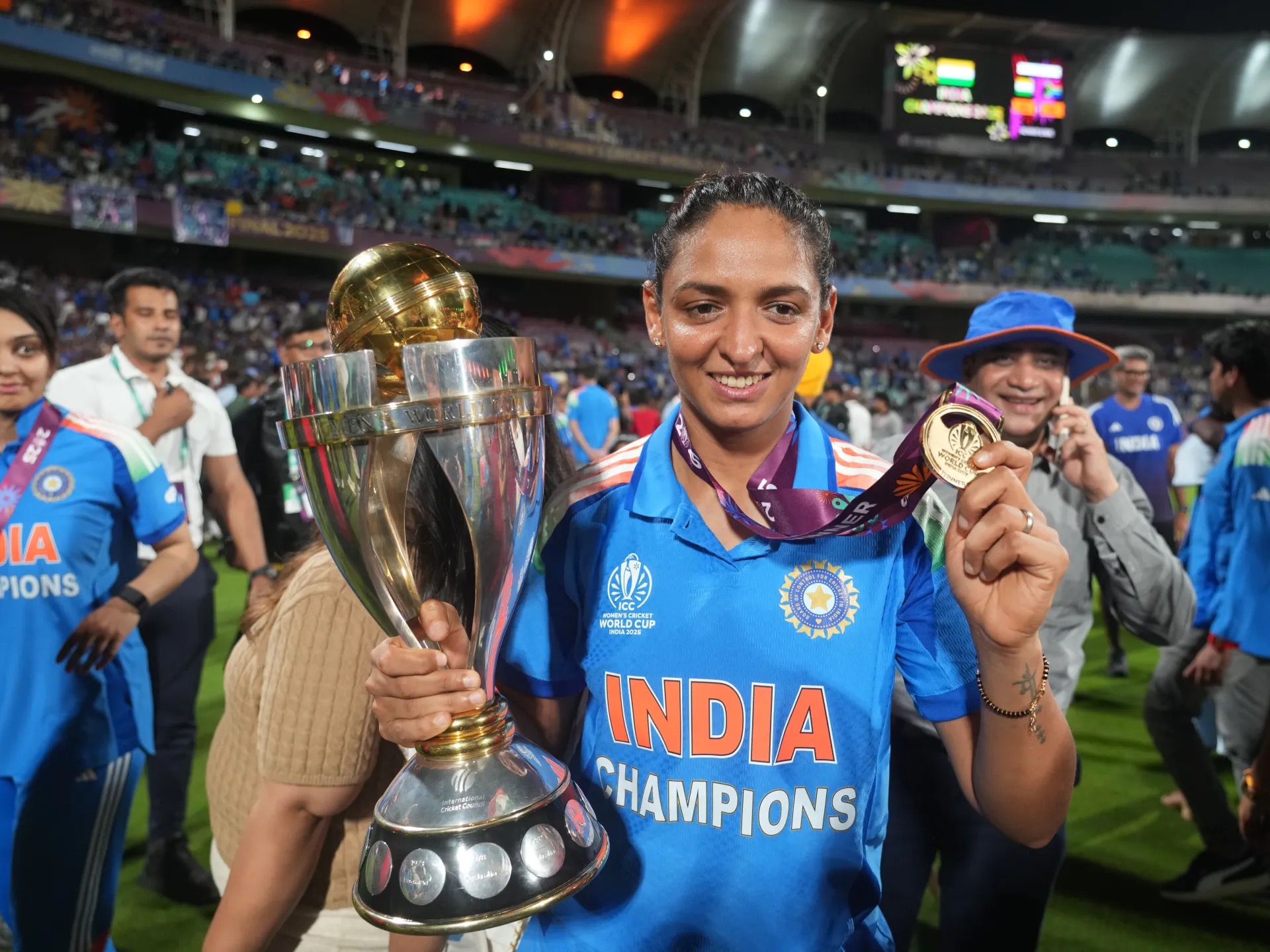
Harmanpreet Kaur's decision to step down as India women's captain across all formats closes a leadership chapter that changed the expectations around the team. The announcement came on Tuesday, two weeks after India defended its Asian Games gold, and less than a year after the side won its first ICC Women's World Cup title at home.
The timing gives the decision a sharper edge. Harmanpreet is not leaving after a collapse or a lost dressing room. She is stepping away from the captaincy with India holding a stronger place in the women's game than when she first took charge of the T20 side in 2016, and later the ODI and Test leadership in 2022.
Her record is substantial. Reports noted that she captained India in more than 150 T20 internationals, the first cricketer, man or woman, to lead a side in that many T20Is. She also led India in Tests and ODIs, while remaining one of the country's most recognisable batting figures since her international debut in 2009.
The headline achievements are easy to list: a home World Cup title in 2025, Asian Games gold, Asia Cup success, and repeated deep runs in global tournaments. But the larger legacy is the standard she helped set. Under Harmanpreet, Indian women's cricket moved from hoping for breakthrough moments to expecting to contend at the business end of major events.
That shift changes the job for the next captain. Smriti Mandhana, long regarded as a leading candidate because of her seniority and role as deputy, would inherit a team with public attention, sponsor interest, domestic pathways and winning pressure all rising together. The next leader will not be asked merely to inspire belief. She will be asked to keep winning while developing another generation.
Harmanpreet has said she will continue as a player, which could be valuable if managed well. Former captains can either become shadows over a successor or stabilising senior figures. India will need the latter: a batter free from leadership load, still capable of shaping games, while the team transitions around her.
The decision also gives selectors and the BCCI a clean planning moment. Women's cricket in India now has enough depth and visibility that succession cannot be informal. Leadership, workload, domestic scouting, injury management and tactical development all need the same seriousness that surrounds the men's game.
Harmanpreet's captaincy ends with the bar higher than it was. That is the most meaningful form of legacy in sport. The question now is whether India can treat her exit not as an emotional ending, but as the beginning of a more durable era.
Related Stories
Abhishek And Arshdeep Turn Indore Run-Fest Into India's Control Test
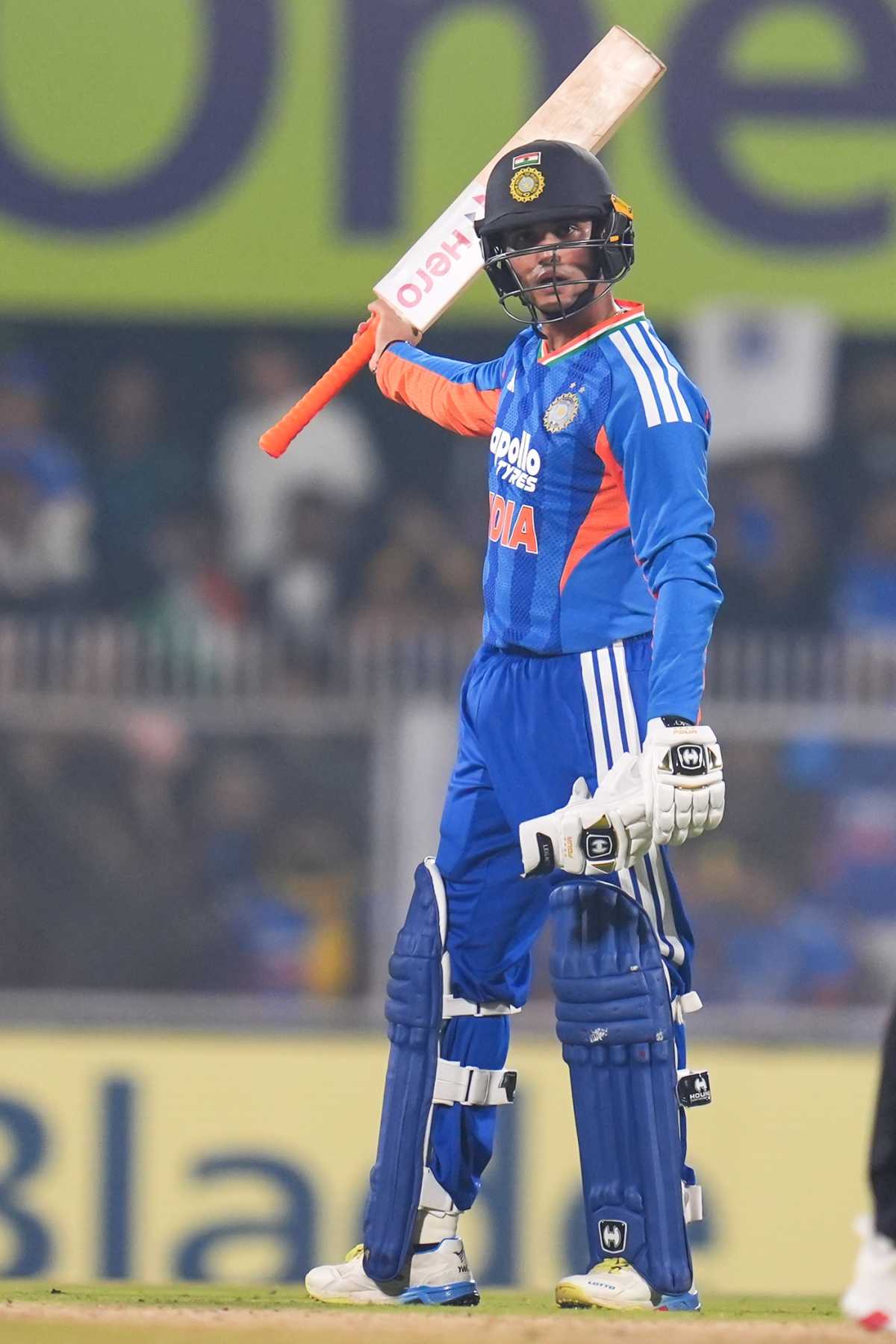
India beat West Indies by 14 runs in the third T20I, taking a 2-1 series lead after Abhishek Sharma's 69 and Arshdeep Singh's 3 for 44.
Indore T20I Turns India's Fielding And Bowling Into The Real Test
With the series level at 1-1 after West Indies chased 250 in Ranchi, Sunday's third T20I at Holkar Stadium asks whether India can control a likely run-fest.
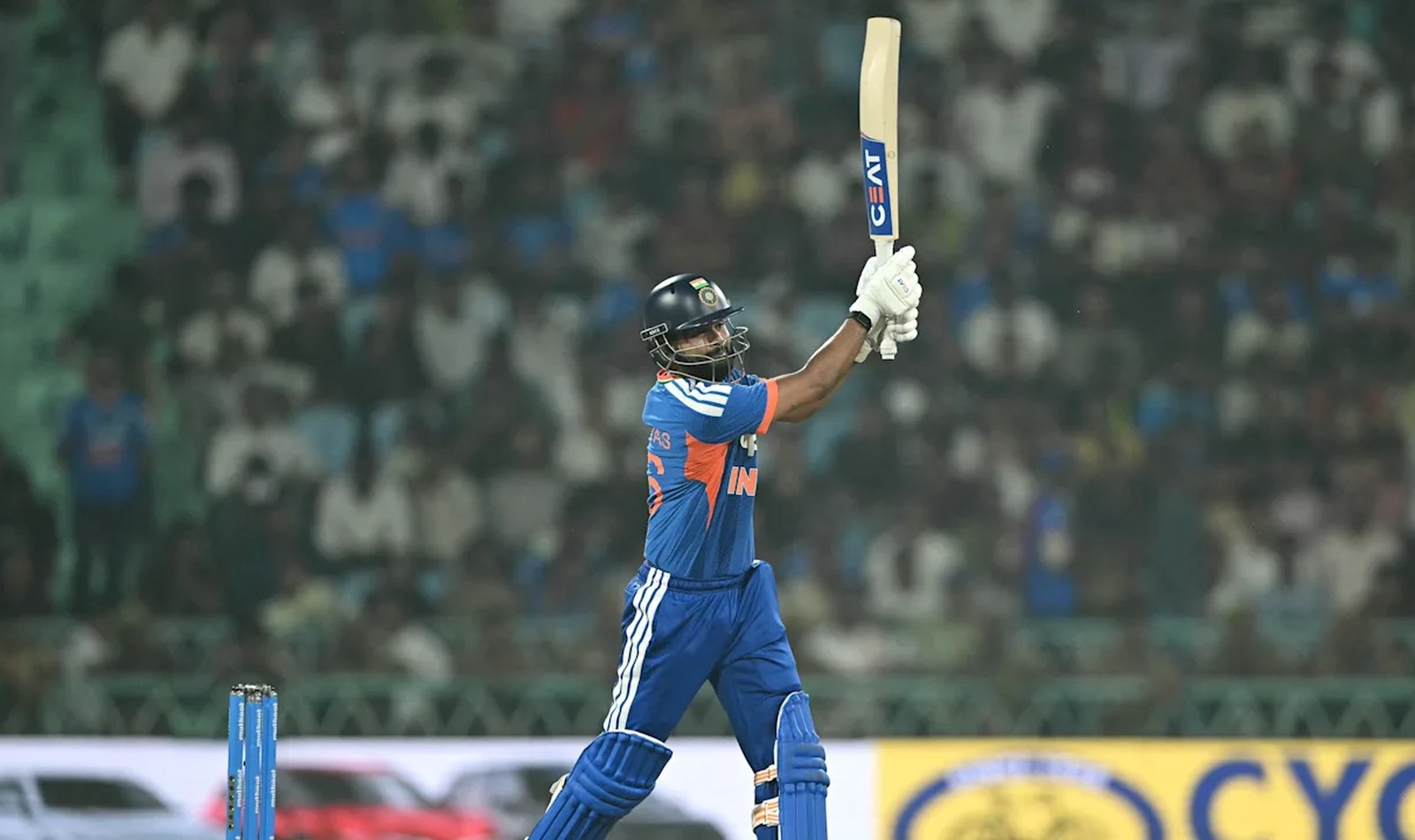
Shreyas Iyer's 42-Ball Century Gives India's T20 Run A Captain's Signature
India chased 172 with 32 balls to spare in Lucknow after Iyer rebuilt from 35 for 2 and completed his maiden T20I hundred as captain.