Indore T20I Turns India's Fielding And Bowling Into The Real Test
With the series level at 1-1 after West Indies chased 250 in Ranchi, Sunday's third T20I at Holkar Stadium asks whether India can control a likely run-fest.
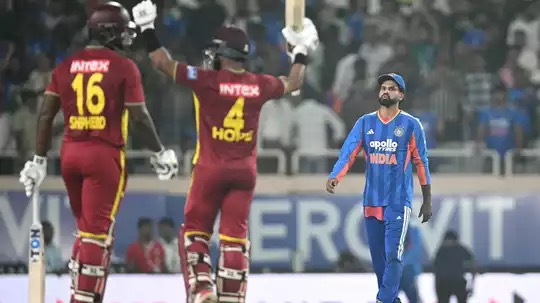
India's third T20I against West Indies in Indore is being framed as another run-fest, but the deeper test is control. The five-match series is level at 1-1 after India chased down 172 in Lucknow and West Indies replied by chasing 250 in Ranchi.
That Ranchi result changed the mood of the series. India made 249 for 5 and still lost by six wickets, with Shai Hope's unbeaten hundred and Sherfane Rutherford's 84 turning what should have been a defendable total into a warning. High scores are no longer enough if the bowling and fielding do not hold.
Holkar Stadium adds to that pressure. The venue has a history of heavy scoring in T20 cricket, and Cricbuzz's preview noted that the average first-innings score across four T20Is there is 200. India once made 260 at the ground, and the last competitive men's T20 match there also crossed 250.
That does not mean bowlers are irrelevant. It means they need sharper plans. On small, fast-scoring grounds, the difference can be one slower-ball over, one boundary rider positioned correctly, one saved six, one caught chance or one death-over sequence that goes for eight rather than eighteen.
India's likely decision is whether to stay with the same combination or bring in Nitish Reddy for Shivam Dube. The balance question is obvious: batting depth is useful, but the attack also needs options when dew, flat pitches and power hitters reduce the margin for error.
Fielding is another issue. Both sides have made costly mistakes, and India's missed chance against Rutherford in Ranchi became a match-shaping moment. In a series where batters are already ahead, dropped catches are not minor blemishes. They become tactical collapses.
West Indies enter Indore with belief. Hope's hundred has given the batting group proof that they can chase the biggest Indian totals, while Rutherford, Rovman Powell and the lower middle order can force India to defend every boundary option. The visitors do not need to dominate the whole innings. They need to stay close enough for one explosive spell.
For India, the task is not to complain about flat pitches. Gautam Gambhir has already argued for a better balance between bat and ball, but he has also said the team must find ways to stop opposition scoring in tough conditions. Indore is the immediate exam. If India win, the series tilts back toward them. If they leak another massive chase, the questions about control will become louder than the runs.
Related Stories

Abhishek And Arshdeep Turn Indore Run-Fest Into India's Control Test
India beat West Indies by 14 runs in the third T20I, taking a 2-1 series lead after Abhishek Sharma's 69 and Arshdeep Singh's 3 for 44.
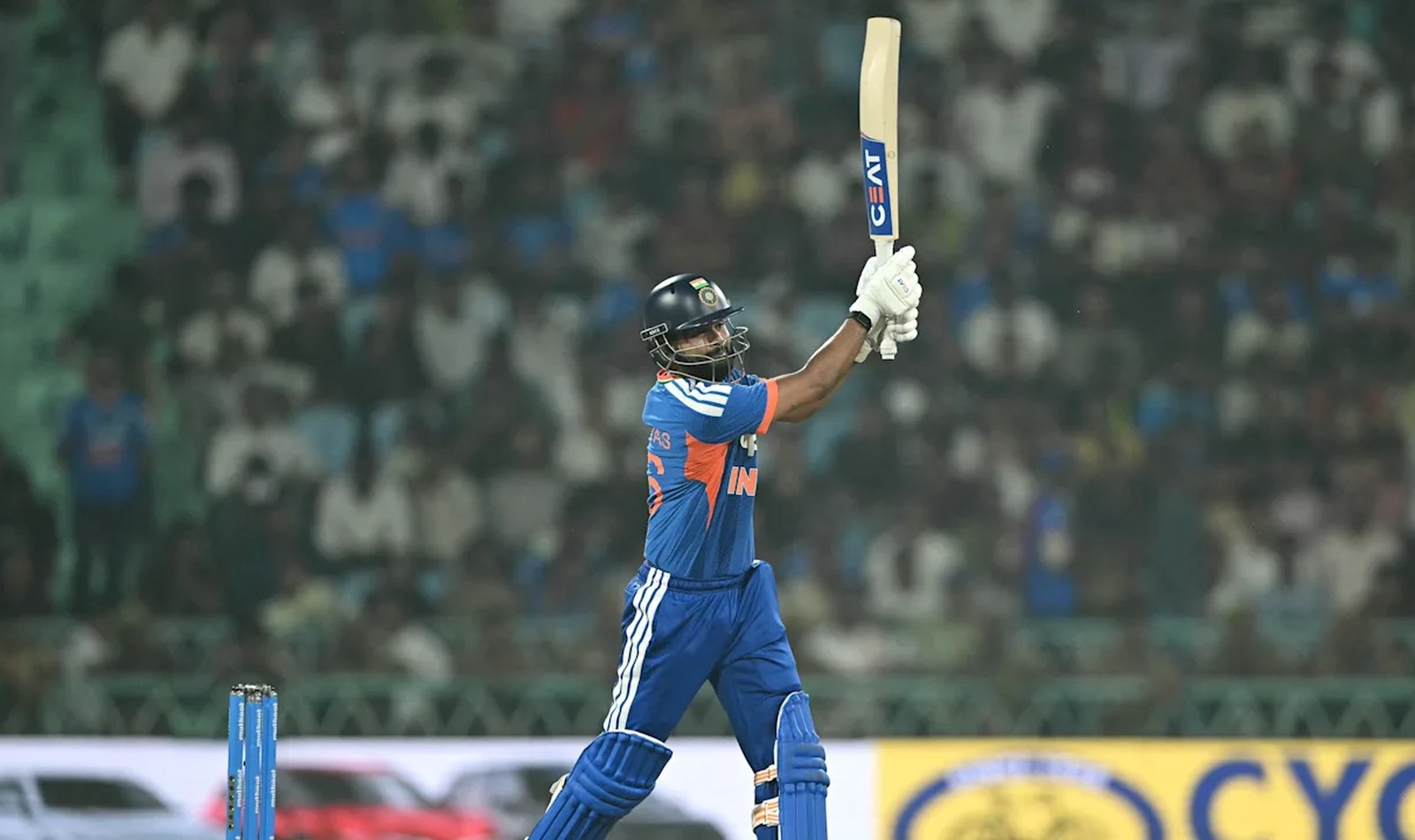
Shreyas Iyer's 42-Ball Century Gives India's T20 Run A Captain's Signature
India chased 172 with 32 balls to spare in Lucknow after Iyer rebuilt from 35 for 2 and completed his maiden T20I hundred as captain.
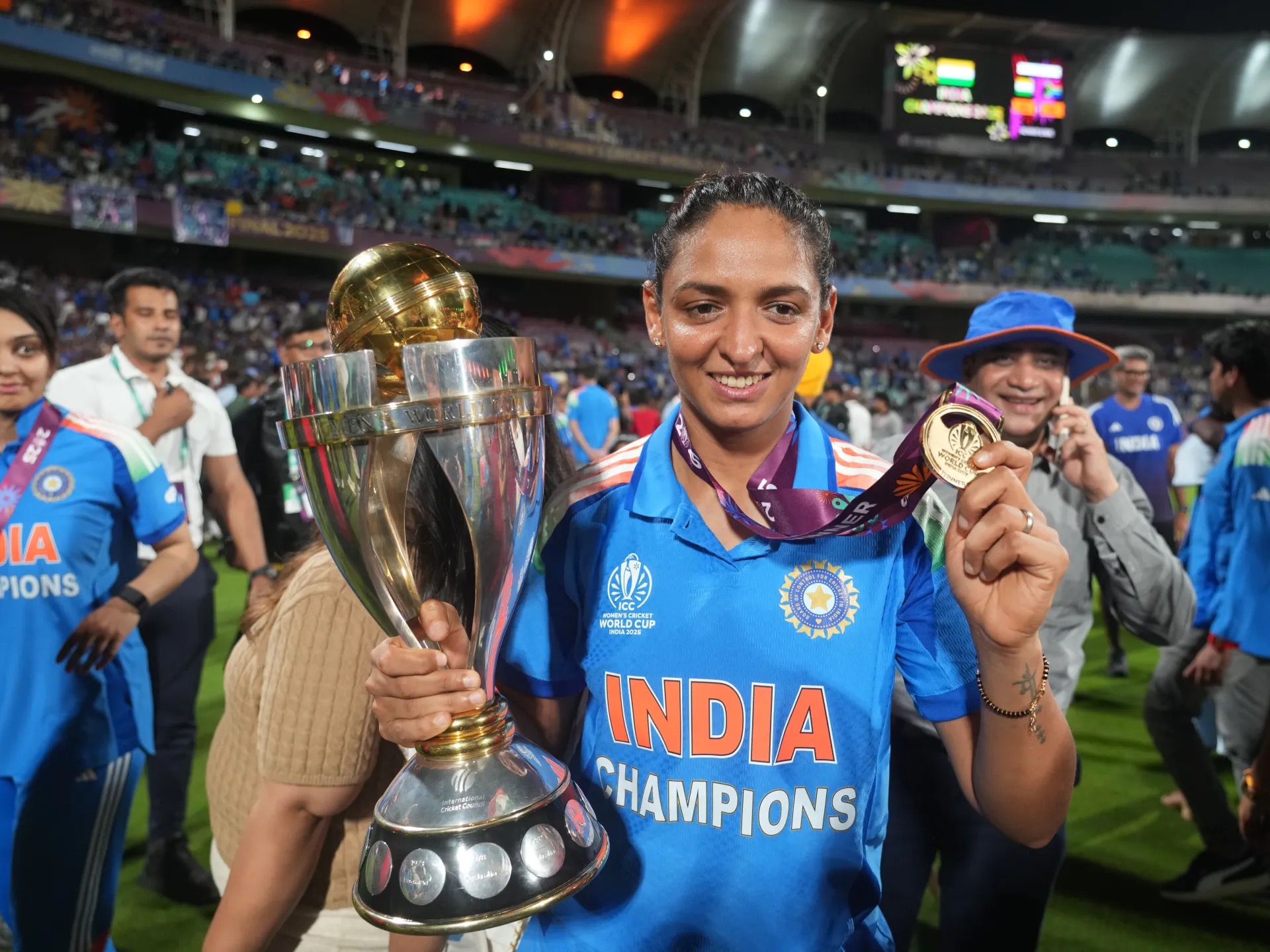
Harmanpreet Kaur Leaves The Captaincy With India's Women's Cricket Bar Set Higher
Harmanpreet Kaur has stepped down across formats after a long captaincy that included India's first Women's World Cup title and another Asian Games gold.