Government Clears RBI Field Trials For Rs 10 And Rs 20 Polymer Banknotes
India's move toward plastic currency has entered a trial phase, with the government approving the Reserve Bank of India's proposal to test polymer banknotes in Rs 10 and Rs 20 denominations.

India's move toward plastic currency has entered a trial phase, with the government approving the Reserve Bank of India's proposal to test polymer banknotes in Rs 10 and Rs 20 denominations. Economic Times reported that Minister of State for Finance Pankaj Chaudhary told the Lok Sabha that the RBI, with the recommendation of its central board, proposed one billion pieces each of the two denominations for field trials. The government also said there is no proposal to replace existing paper currency.
The distinction is important. Polymer banknotes are not a sudden withdrawal of paper notes and not a forced transition away from cash. They are a field trial aimed at testing durability, quality and operational performance under Indian conditions. Times of India also reported government approval for two billion polymer banknotes across the two low denominations. Lower-value notes are handled frequently, pass through crowded markets, public transport, small shops and rural cash networks, and tend to wear out faster than higher-value notes. That makes them a logical trial category if the RBI wants practical evidence before wider issuance.
The policy case for polymer notes is durability. Economic Times reported that international studies cited by the RBI show polymer banknotes can have a significantly longer lifespan than paper notes. They are used in countries including Australia, the United Kingdom and Canada. Longer circulation life may lower replacement frequency, reduce printing pressure and improve note quality for everyday cash users. Polymer notes can also support embedded security features, although the effectiveness of any security design depends on implementation and public familiarity.
The government also linked the proposal to procurement conditions. Economic Times reported that the RBI's currency-printing arm had invited expressions of interest from manufacturers for polymer substrate sheets with embedded security features. The tender reportedly includes national security restrictions, including security clearance requirements and conditions around operations or sourcing linked to China or Pakistan. Those details show that a currency-material decision is also a supply-chain and security decision.
The practical effect for households and businesses is limited for now. Existing paper notes remain valid and will continue to circulate. Digital payments are not being displaced; the minister said cash and digital payment systems are complementary. For banks, cash handlers and merchants, the trial will test whether polymer notes move smoothly through counting machines, ATMs, branches and retail handling.
The story's next phase will be operational. The RBI will need to test cost, public acceptance, soil resistance, machine readability, climate performance and anti-counterfeit resilience. A successful trial could lead to regular issuance, but that is not the same as a confirmed nationwide rollout. The responsible conclusion is cautious: India has approved a controlled polymer-note trial, not a replacement of paper currency.
The trial will also be watched by small traders and rural cash users, because low-denomination notes remain important in markets where digital payments are common but not universal. A durable Rs 10 or Rs 20 note can make change easier for buses, tea stalls, vegetable vendors and small service businesses if the note is accepted easily and works in existing cash-handling systems. Public communication will matter: people need to know that paper notes continue to be legal and that the polymer pieces are a test, not a demonetisation-style event.
Related Stories
India Post Clears ₹4,000 Crore in a Quarter for the Second Time
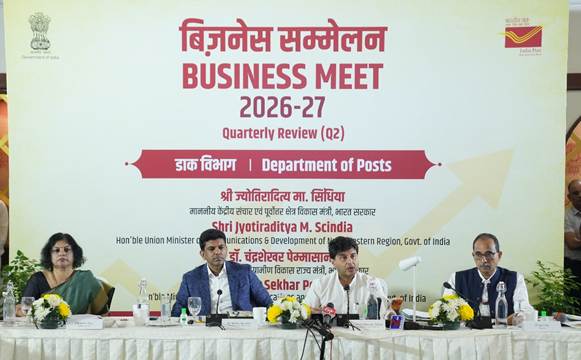
India Post reported first-half revenue of ₹8,212.7 crore, with parcel income up 71% year on year in the July–September quarter.
IIM Lucknow's Family-Business MBA Treats Succession As A Management Skill
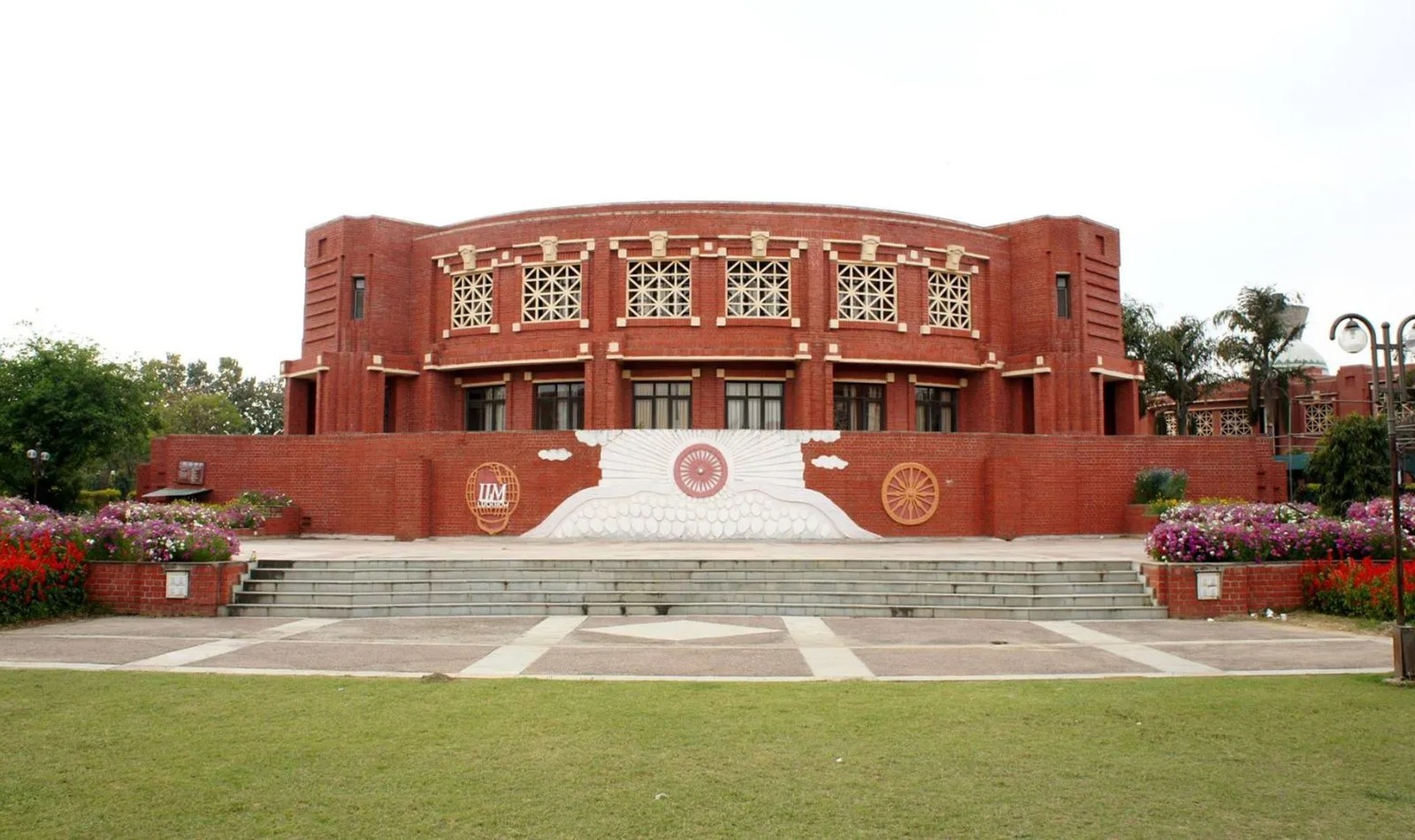
The two-year programme, starting in July 2027, is aimed at business owners and next-generation leaders who need governance, succession and growth tools.

Fusion CX IPO Puts Kolkata's AI-Enabled Service Firm On The Market Clock
The Rs 702 crore issue opens on October 14 with a Rs 275-289 price band and a fresh-issue component aimed partly at reducing debt.