Haryana Expands Food Testing As FSSAI Warns Against Newspaper-Wrapped Snacks
Haryana's push to expand modern food testing laboratories and FSSAI's renewed warning against serving street snacks in old newspapers put food safety back in the public spotlight this week.
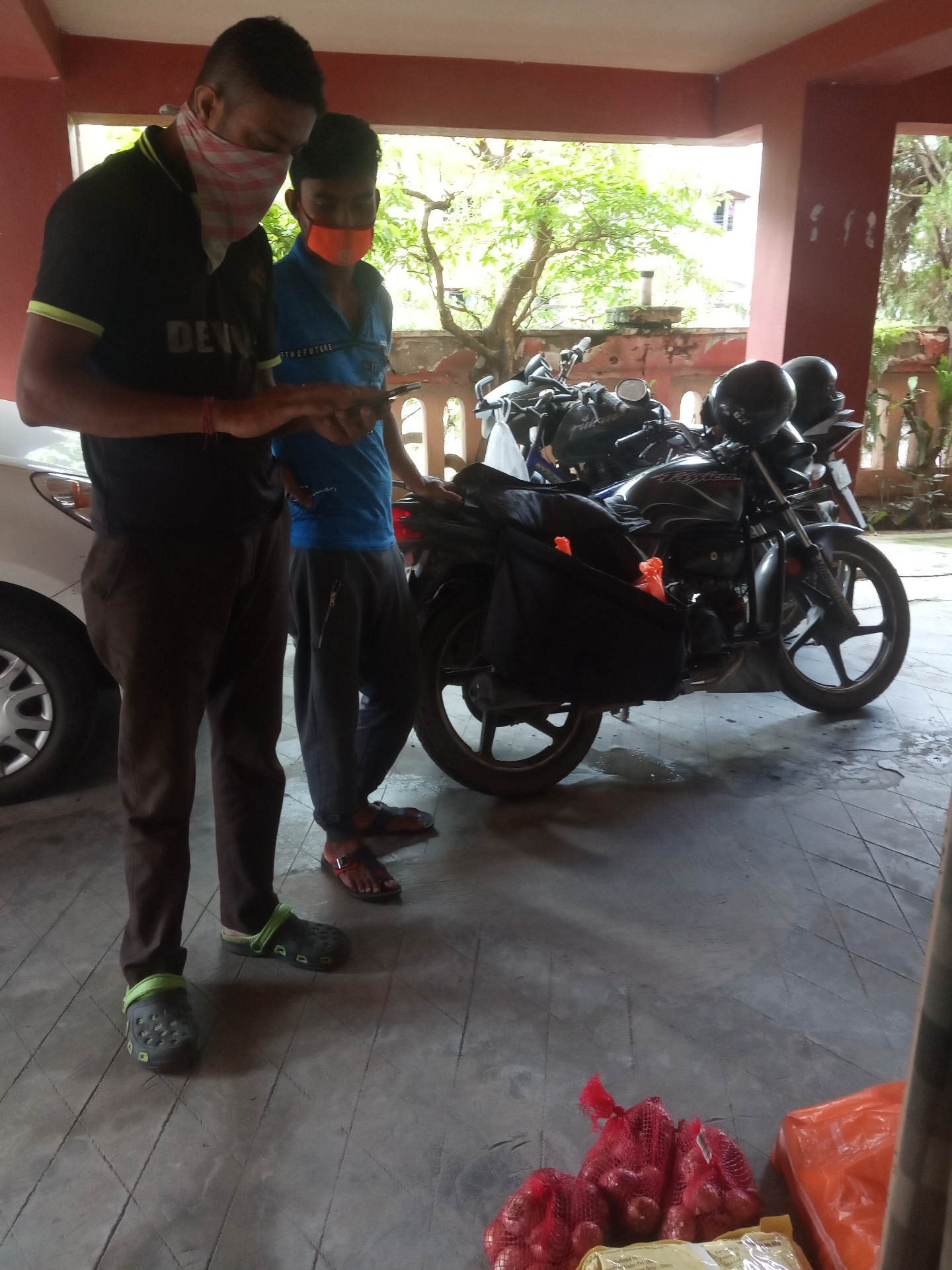
Food safety is back in the public spotlight this week through two connected developments: Haryana's push to expand modern food testing laboratories and the Food Safety and Standards Authority of India's warning against serving street snacks in old newspapers. Haryana has approved eight new food testing labs, with facilities in Hisar and Narnaul planned for 2026-27 with a Rs 24 crore allocation. FSSAI has again warned vendors and consumers about chemical and hygiene risks from newspaper-wrapped samosas, pakoras and vada pav.
The two stories sit at different ends of the same food chain. Testing laboratories represent the formal enforcement system: sampling, analysis, prosecution and penalties. Newspaper wrapping is an everyday street-level habit that millions of consumers recognise. Together, they show why food safety in India cannot be solved only through one agency order or one consumer advisory.
Haryana's lab expansion is significant because testing capacity decides whether rules can be enforced in practice. The state collected 2,211 samples in 2025-26, identified 805 non-conforming cases, secured 111 convictions and imposed penalties totalling Rs 2.35 crore. Those numbers show both activity and the scale of the challenge.
The FSSAI warning is more immediate for consumers. Newspaper ink can contain chemicals that should not touch hot or oily food. Used newspapers can also carry dirt and microbes before they reach a food stall. Hot fried snacks are especially concerning because oil and heat can increase contact between food and packaging.
Vendors need practical alternatives, not only warnings. If safer food-grade paper, plates or containers are too expensive or hard to source, small sellers may keep using newspapers despite advisories. Local bodies, food departments and market associations can help by making compliant packaging easier to buy and by training vendors on why the rule matters.
The clearest lesson from this week's food safety news is that trust has to be built before a crisis. Laboratories, sample collection, convictions and penalties make the system credible. Clear warnings and practical vendor support make the system usable. India needs to make sure everyday snacks are served in ways that do not quietly add avoidable health risks.
Related Stories
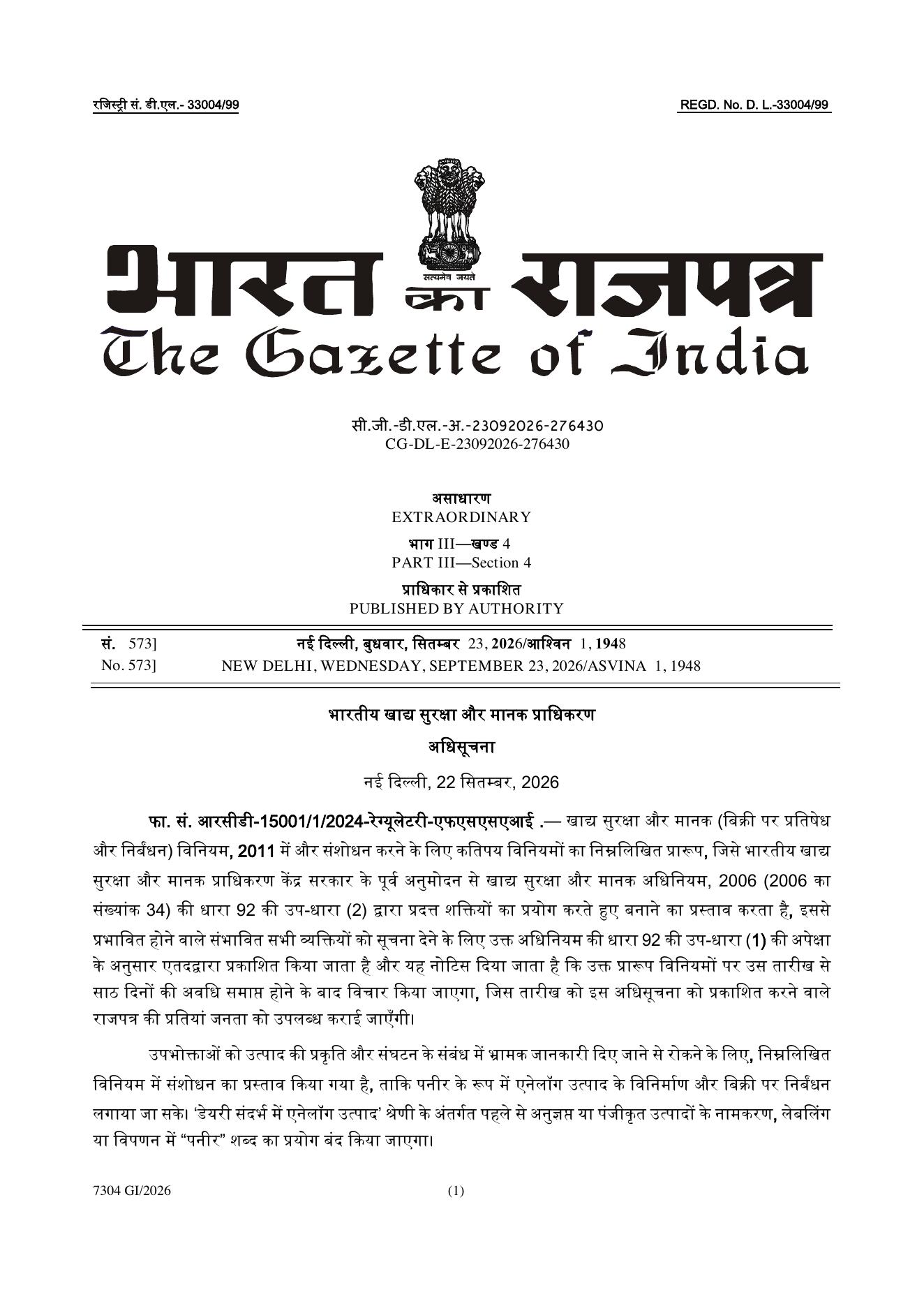
FSSAI Draft Paneer Rule Targets Misleading Non-Milk Dairy Analogue Labels
The Food Safety and Standards Authority of India has proposed a draft amendment to prevent non-milk analogue products from being represented as paneer, a...

Dabur Begins Label Changes After FSSAI Stops Misleading 100 Percent Food Claims
Dabur has begun changing product labels after the Food Safety and Standards Authority of India told the company to stop selling food products carrying...

PepsiCo India Drops Energy Label From Sting After FSSAI Category Order
PepsiCo India has started removing the word "energy" from new Sting cans and bottles after the Food Safety and Standards Authority of India moved against the...
