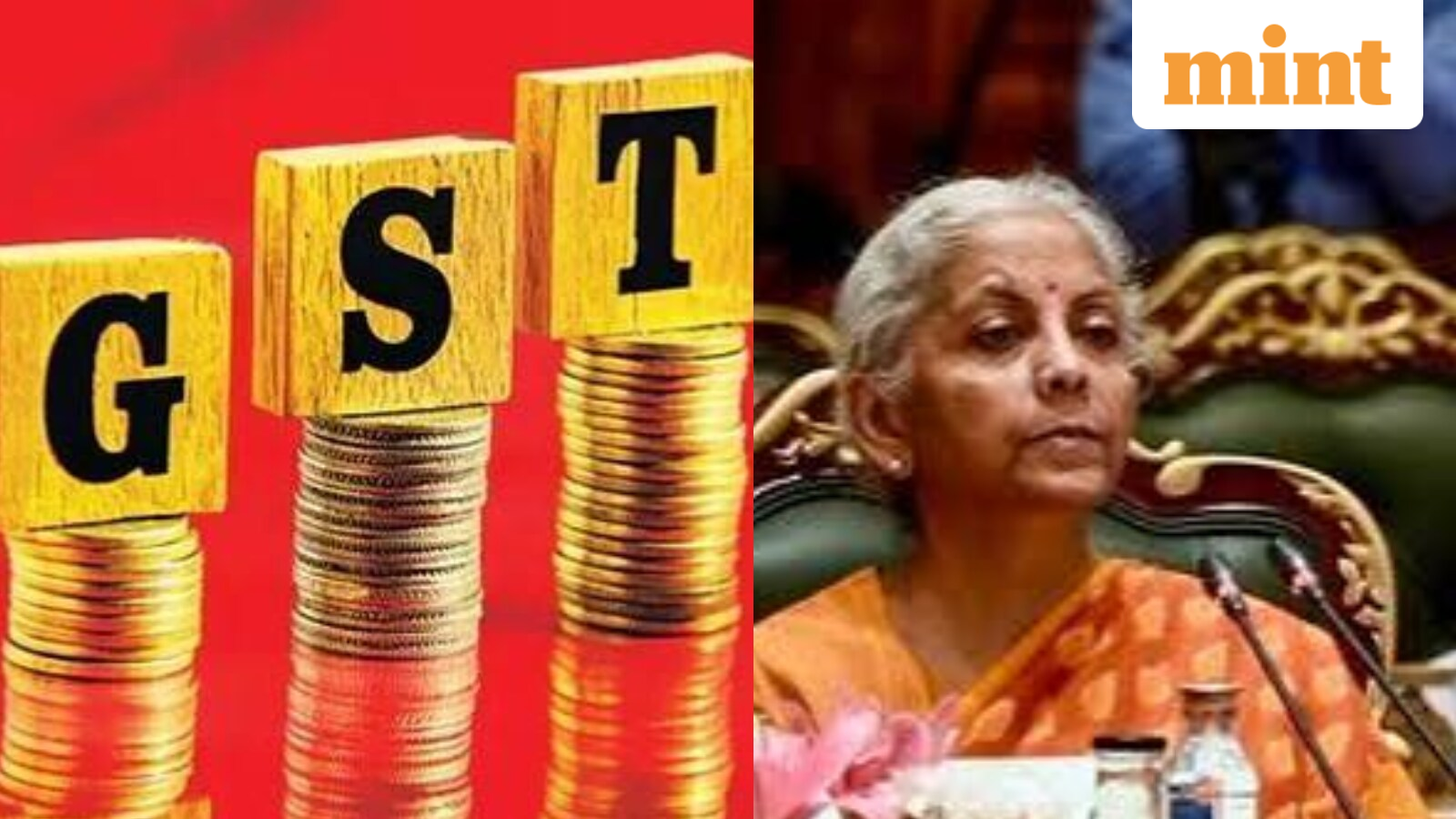
Nirmala Sitharaman Says RBI Targets Rupee Volatility, Not A Fixed Exchange Rate
Finance Minister Nirmala Sitharaman says the RBI steps into the currency market to curb excessive volatility rather than defend a fixed rupee level, setting a clear boundary for India's exchange-rate policy.

Finance Minister Nirmala Sitharaman's latest comments on the rupee put an important boundary around India's currency policy. She said the rupee-dollar movement is shaped by both global and domestic factors, and that the Reserve Bank of India steps into the market to curb excessive volatility rather than defend a fixed exchange-rate level. The distinction matters for businesses, investors and households because it signals that India is not promising a particular rupee number, but is trying to prevent disorderly moves that can unsettle trade and inflation expectations.
Currency management is rarely simple in a year when global rates, oil prices, capital flows and geopolitical risk are all moving at the same time. A weaker rupee can raise import costs, especially for energy, electronics, machinery and fertiliser inputs. A stronger rupee can make exporters less competitive if it moves faster than productivity. The finance minister's argument is that the exchange rate should reflect fundamentals, while the central bank acts when market moves become too sharp or speculative.
That message also lands during a period of strong market attention. Reports on Sunday said a market rally added about Rs 1.9 lakh crore to the combined value of India's top ten companies, with ICICI Bank among the biggest gainers. Equity-market strength and currency stability do not always move together, but they are connected through investor confidence.
For companies, the practical issue is planning. Import-heavy firms need hedging policies that do not assume the rupee will be held at an official line. Exporters need to watch whether a weaker rupee really improves margins after higher input and financing costs are included. Banks need to manage foreign-currency assets and liabilities carefully. Consumers feel the exchange rate indirectly through fuel, travel, imported goods and inflation.
The RBI's stated role in smoothing volatility also reflects a wider emerging-market challenge. Central banks do not want to exhaust reserves fighting a direction that reflects global conditions. At the same time, they cannot allow thin or panicked trading to create a self-feeding slide. Intervention is most useful when it buys time, restores orderly pricing and prevents a temporary shock from becoming a wider confidence problem.
Sitharaman's comments should therefore be read as a signal of discipline rather than indifference. Investors do not need a promise that the rupee will never move. They need to know that policy makers understand the difference between a market adjustment and a destabilising break.
Related Stories

India Post Clears ₹4,000 Crore in a Quarter for the Second Time
India Post reported first-half revenue of ₹8,212.7 crore, with parcel income up 71% year on year in the July–September quarter.

IIM Lucknow's Family-Business MBA Treats Succession As A Management Skill
The two-year programme, starting in July 2027, is aimed at business owners and next-generation leaders who need governance, succession and growth tools.

Fusion CX IPO Puts Kolkata's AI-Enabled Service Firm On The Market Clock
The Rs 702 crore issue opens on October 14 with a Rs 275-289 price band and a fresh-issue component aimed partly at reducing debt.