Modi And Macron Launch Bharat Innovates In Nice To Pitch India's Deep-Tech Ambition
Bharat Innovates 2026 opens in Nice with Narendra Modi and Emmanuel Macron pitching India as a source of deep technology — from AI and semiconductors to space, biotech and climate tech.
The launch of Bharat Innovates 2026 in Nice gives India's technology diplomacy a public stage. Prime Minister Narendra Modi and French President Emmanuel Macron used the event to present Indian start-ups, research projects and deep-technology ambitions to an international audience. The message was direct: India wants to be treated not only as a large digital market, but as a source of technology, talent and deployable solutions.
That distinction is important. For years, India's technology story was often reduced to software services, back-office scale and consumer internet growth. Those remain major strengths, but the next competition is in harder areas: artificial intelligence, semiconductors, climate technology, space systems, biotech, cyber security, quantum research, advanced manufacturing and defence-linked innovation. Deep technology usually needs longer development cycles, bigger research budgets and stronger links between universities, laboratories, government procurement and private capital.
France is a useful partner for that pitch because the bilateral relationship already includes strategic sectors. Defence cooperation, space ties, nuclear energy and higher education create channels that can support technology collaboration beyond short-term investment announcements. If Bharat Innovates becomes more than a showcase, it could help Indian companies reach European partners, test regulatory pathways and attract capital that understands long development timelines.
The opportunity is real, but so are the constraints. Deep-tech start-ups cannot scale on publicity alone. They need access to labs, patient investors, skilled engineers, predictable procurement, standards recognition and protection for intellectual property. They also need domestic customers willing to buy new products rather than only imported systems from established global vendors.
India's domestic policy environment has been moving toward this terrain through digital public infrastructure, electronics manufacturing incentives, space-sector opening and AI mission planning. The challenge is to connect these pieces. The faster those pathways become transparent, the more credible India's innovation pitch becomes.
The Nice event should be judged by what happens next. Which start-ups receive follow-on funding? Which universities form research programmes? Which prototypes enter trials? Which companies sign manufacturing or deployment agreements? Those details will decide whether Bharat Innovates becomes a turning point or another international roadshow.
Related Stories
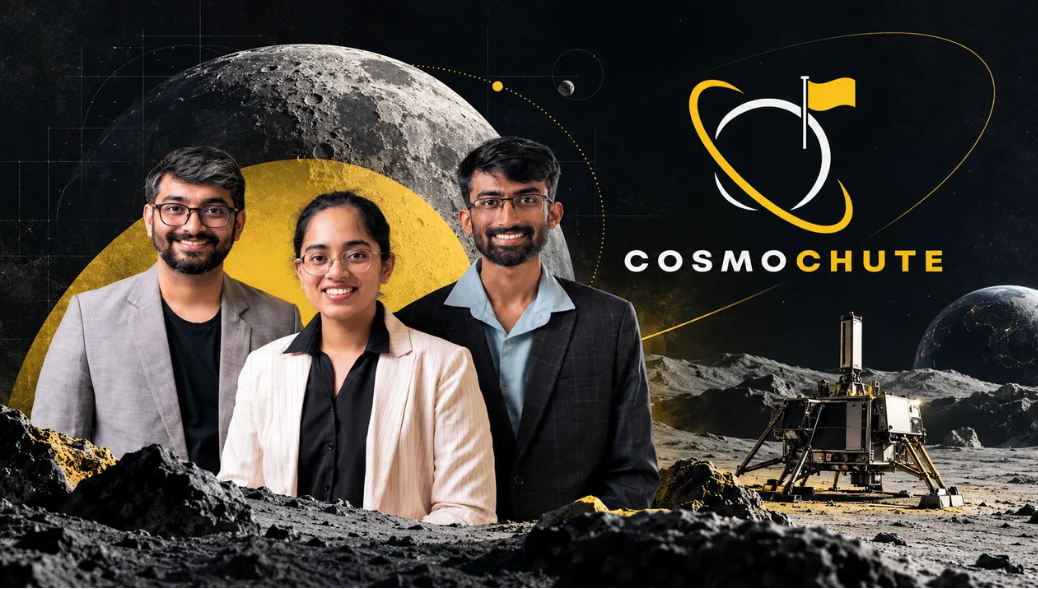
Cosmochute’s $1.5 million pre-seed round backs a lunar-infrastructure bet
Cosmochute has raised $1.5 million to develop reusable lunar-surface robotics, with its three founders now focused on product development and engineering hires.

Kitchen Secret's first outside round puts distribution at the centre of its next chapter
Mother-and-son founders Renuka and Manav Kedia have raised Kitchen Secret's first external round, with the sauce brand targeting wider quick-commerce and B2B distribution.
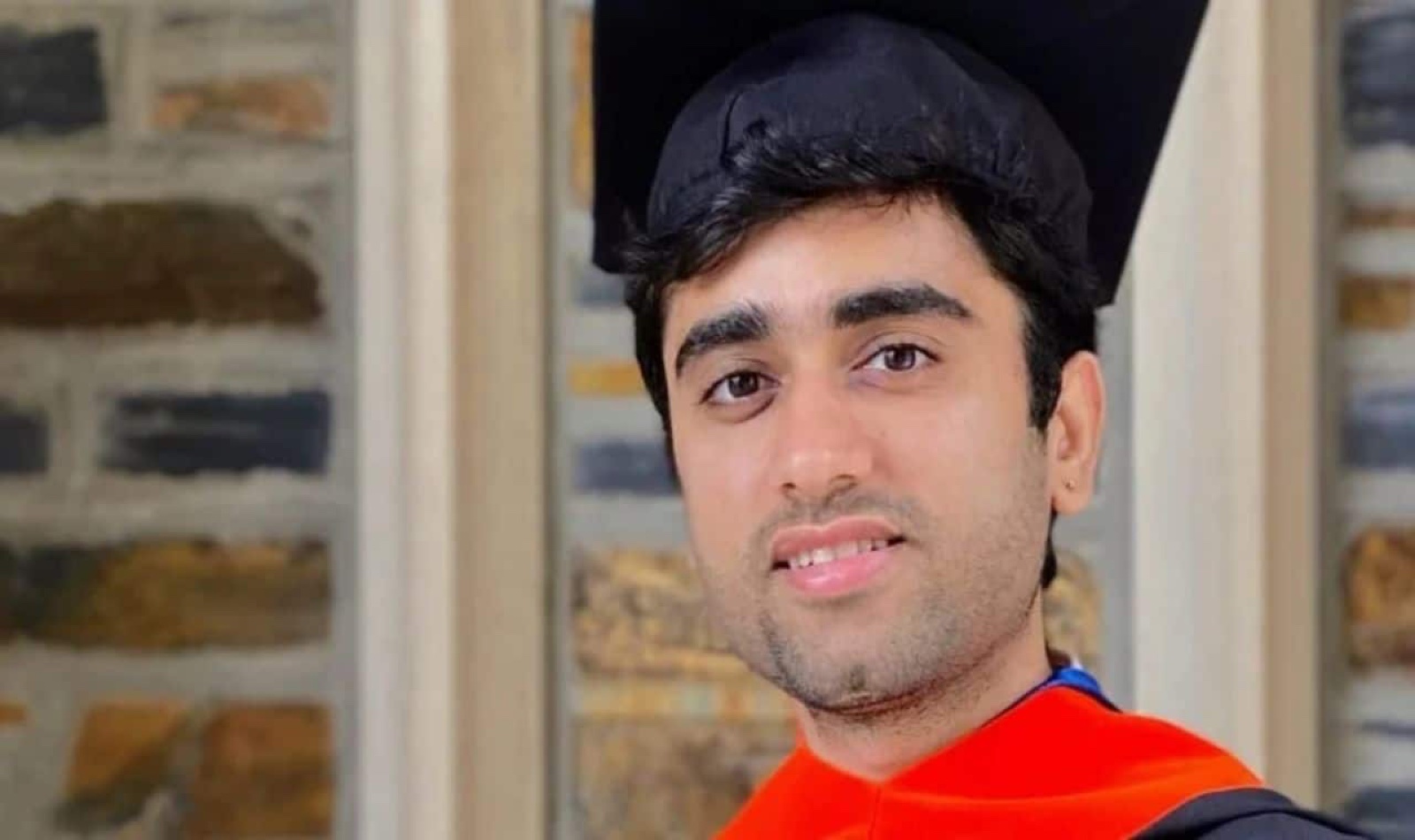
Empirical Machines Puts a Returning AI Researcher at the Centre of India’s Next Funding Test
Shyamal Hitesh Anadkat’s new venture is reported to be discussing a maiden institutional round, placing scientific AI work and founder execution in the spotlight.