Meta And Reliance Plan 168 MW AI Data Centre In Jamnagar
Meta Platforms and Reliance Industries have announced a major India infrastructure partnership, with Meta set to lease 168 MW of AI-ready data-centre capacity at Reliance's hyperscale campus in Jamnagar.
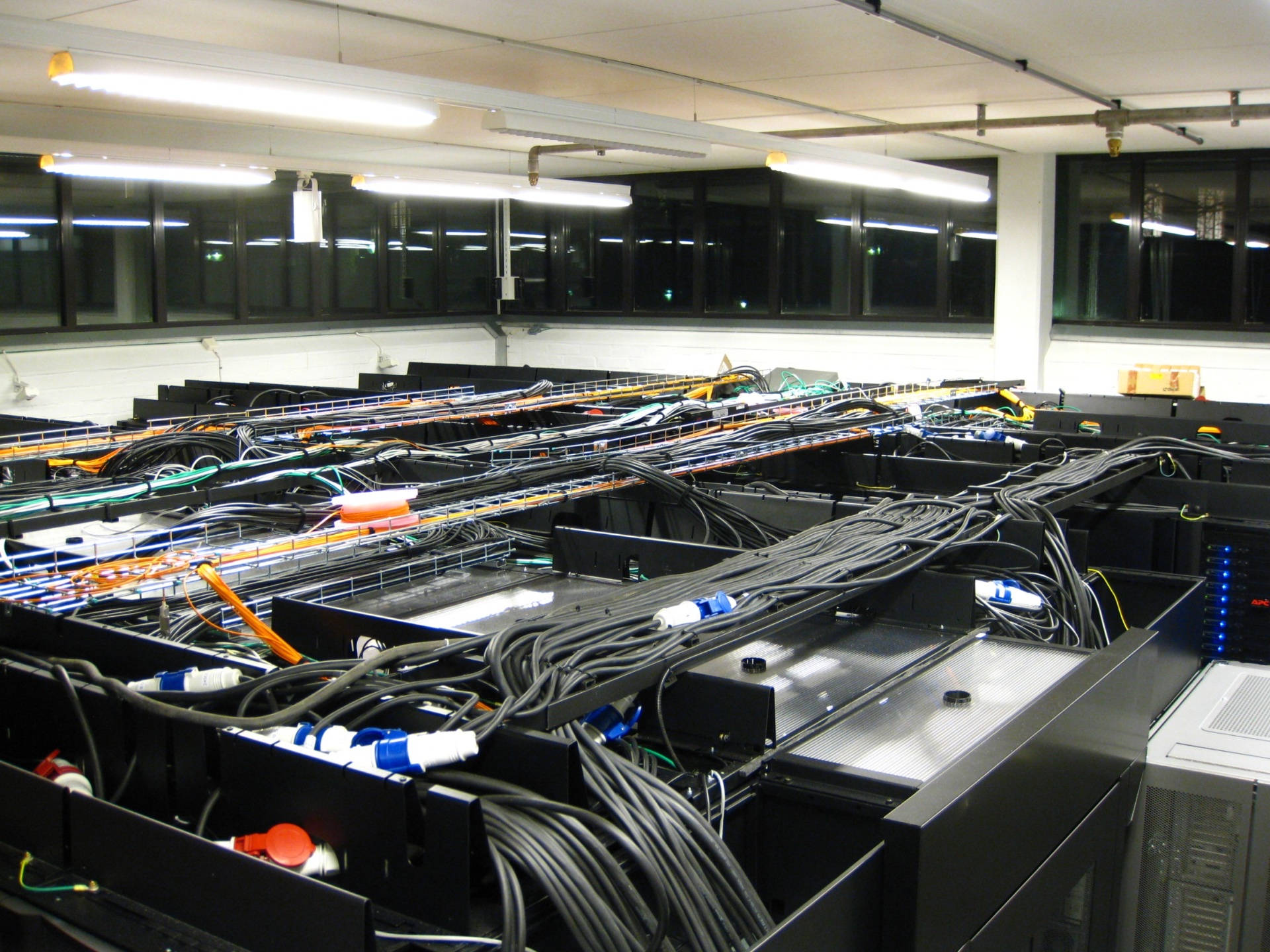
Meta Platforms and Reliance Industries have announced a major India infrastructure partnership, with Meta set to lease 168 megawatts of AI-ready data-centre capacity at Reliance's hyperscale campus in Jamnagar, Gujarat. This will be Meta's first large-scale AI-ready data-centre campus in India, with the project described as a built-to-suit facility that Reliance will develop within two years, with scope to scale further.
The size of the project is the first reason it matters. A 168 MW data-centre commitment is not a small enterprise server room or a routine cloud expansion. It is the kind of infrastructure required for AI workloads, large-scale consumer platforms and enterprise services that need reliable power, cooling, connectivity and physical security. As AI models and applications become more resource-intensive, companies are being forced to place compute closer to large user bases and high-growth digital markets.
For India, the announcement strengthens the argument that digital infrastructure is now part of national economic infrastructure. Data centres support payments, social media, e-commerce, video, cloud tools, government platforms, banking systems and increasingly AI services. A large campus in Jamnagar therefore has implications beyond one company lease.
Energy will be watched closely. Meta is expanding its renewable energy collaboration with CleanMax to more than 900 MW of capacity. That detail matters because data centres consume large amounts of electricity, and AI infrastructure can intensify that demand. If India wants to attract more hyperscale capacity, it will need credible clean power, grid reliability and transparent accounting of energy use.
Gujarat's role should not be treated as incidental. Jamnagar already has large industrial infrastructure, and data-centre growth often follows places that can offer land, power, connectivity and policy support. But the local benefits are not automatic. These projects can bring investment, skilled jobs and supply-chain activity, while also raising questions about water use, land planning, grid pressure and environmental safeguards.
The next test will be execution. Timelines, energy sourcing, regulatory approvals, fibre connectivity, construction quality and tenant requirements will decide whether the Jamnagar plan becomes operating capacity on schedule. For now, the news is a clear signal that global AI infrastructure is no longer something India only consumes from afar.
Related Stories
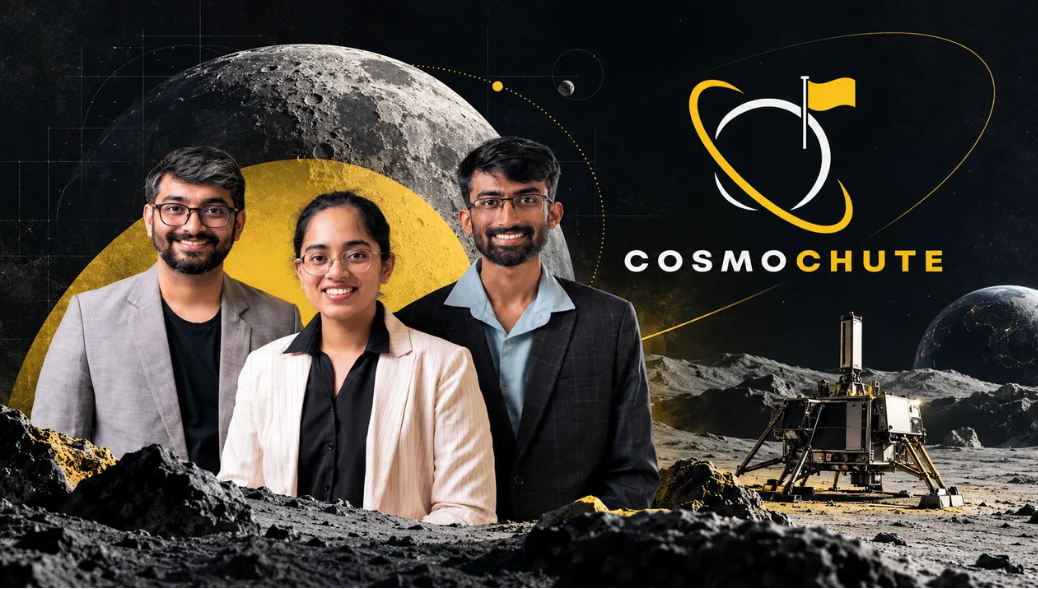
Cosmochute’s $1.5 million pre-seed round backs a lunar-infrastructure bet
Cosmochute has raised $1.5 million to develop reusable lunar-surface robotics, with its three founders now focused on product development and engineering hires.

Kitchen Secret's first outside round puts distribution at the centre of its next chapter
Mother-and-son founders Renuka and Manav Kedia have raised Kitchen Secret's first external round, with the sauce brand targeting wider quick-commerce and B2B distribution.

Empirical Machines Puts a Returning AI Researcher at the Centre of India’s Next Funding Test
Shyamal Hitesh Anadkat’s new venture is reported to be discussing a maiden institutional round, placing scientific AI work and founder execution in the spotlight.