AI In Exam Paper Setting Raises A Bigger Question About Trust In Testing
The National Testing Agency is reportedly looking at AI-led paper setting as part of a major overhaul after earlier exam controversies.
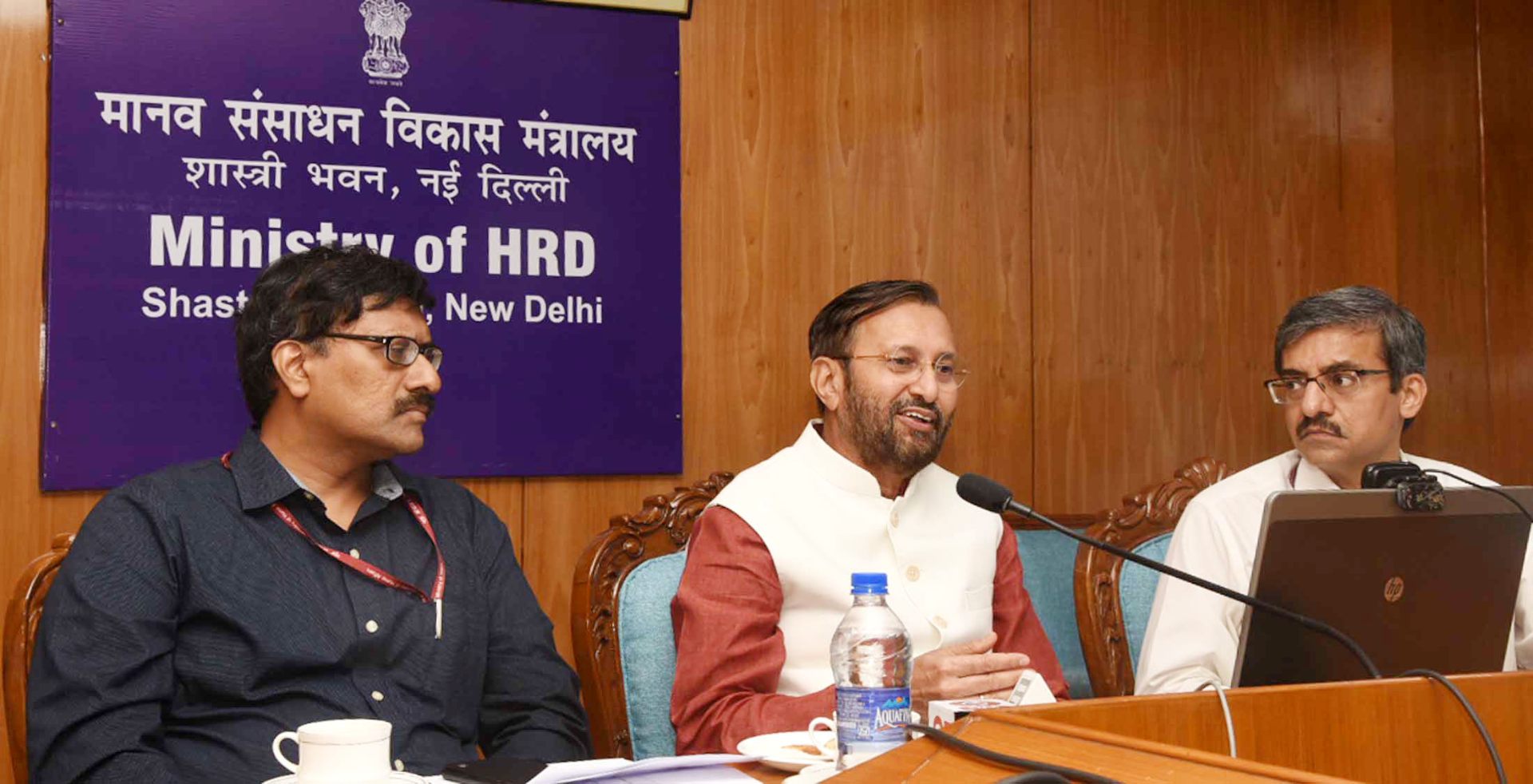
The National Testing Agency is reportedly looking at AI-led paper setting as part of a major overhaul after earlier exam controversies, placing artificial intelligence at the centre of India's already sensitive testing debate. The idea is technologically significant, but the public issue is trust: students and parents need to know that exams are fair, secure and understandable.
AI can help exam systems in several ways. It can generate large pools of questions, classify difficulty levels, detect duplication, map questions to syllabi and flag patterns that might compromise fairness. Used carefully, it could make paper setting less dependent on small groups and reduce the risk of repetition. It could also help create multiple equivalent versions of an exam, which is useful when testing millions of candidates across many centres.
But AI can also create new risks. A model can produce errors, ambiguous questions, culturally biased examples or items that do not match the intended syllabus depth. If the system is trained or prompted poorly, it may generate plausible-looking but flawed questions. In high-stakes exams, even a small error can affect ranks, admissions, legal challenges and public confidence. That is why AI cannot be treated as an invisible shortcut.
The most important safeguard is human accountability. If AI helps draft or classify questions, subject experts still need to review them. Psychometric checks, moderation panels, secure audit trails and post-exam analysis should remain part of the process. The agency must also be able to explain how fairness is maintained without exposing the question bank or security-sensitive details.
Security is another major concern. Exam paper leaks and integrity failures have deep consequences in India because competitive exams often determine access to medical, engineering, government and professional opportunities. An AI-enabled system must protect prompts, data, draft items, reviewer access, storage and final paper assembly. A leak from an AI workflow would damage confidence just as much as a leak from a traditional workflow.
Students may also worry that AI makes exams less predictable or more detached from classroom reality. That concern can be managed only through clear syllabi, sample papers, transparent difficulty design and consistent communication. Technology should not become a black box that leaves students guessing what kind of preparation is expected.
The reform debate should therefore avoid two extremes. AI is not automatically a threat to fairness, and it is not automatically a solution to exam integrity. It is a tool. Its value depends on governance, expert review, security design and willingness to admit and correct errors. The public will judge the system by outcomes, not by the modernity of the technology label.
If the NTA moves ahead, the best approach would be phased and auditable: pilot AI support in low-risk settings, publish broad safeguards, keep human sign-off mandatory, and monitor error rates closely. India's students do not need a futuristic exam system for its own sake. They need a trustworthy one. AI can help only if it strengthens that trust rather than asking students to accept another opaque process.
Related Stories
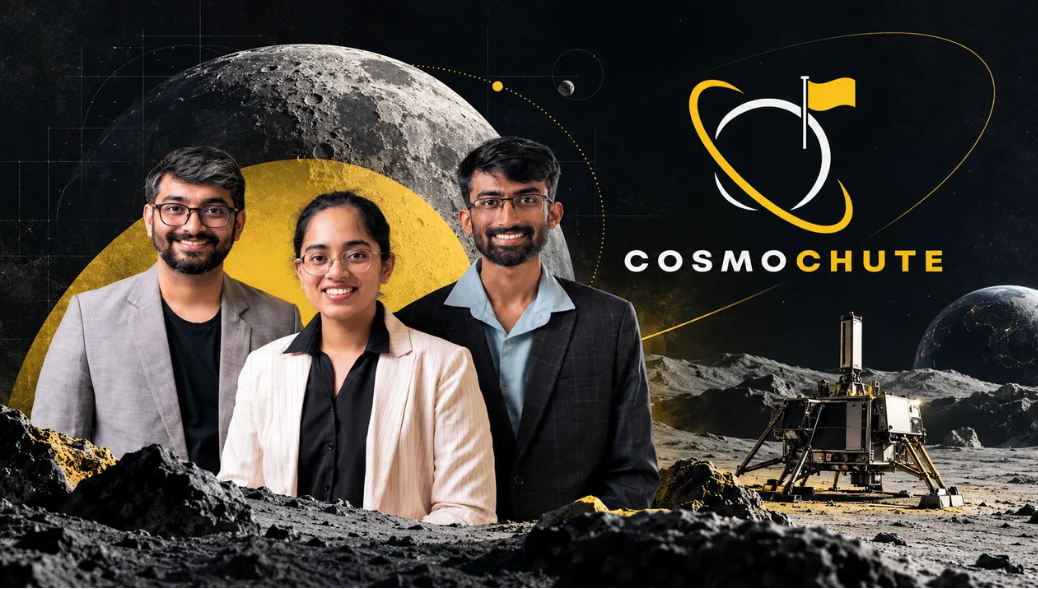
Cosmochute’s $1.5 million pre-seed round backs a lunar-infrastructure bet
Cosmochute has raised $1.5 million to develop reusable lunar-surface robotics, with its three founders now focused on product development and engineering hires.

Kitchen Secret's first outside round puts distribution at the centre of its next chapter
Mother-and-son founders Renuka and Manav Kedia have raised Kitchen Secret's first external round, with the sauce brand targeting wider quick-commerce and B2B distribution.
Empirical Machines Puts a Returning AI Researcher at the Centre of India’s Next Funding Test
Shyamal Hitesh Anadkat’s new venture is reported to be discussing a maiden institutional round, placing scientific AI work and founder execution in the spotlight.