Delhi Records 38.5C As IMD Forecasts Rain And Gusty Winds For Monday
Delhi clocks 38.5C — 1.4C below the seasonal average — while the IMD warns of rain and gusty winds for Monday, setting up a volatile 24 hours for commuters and the city's infrastructure.
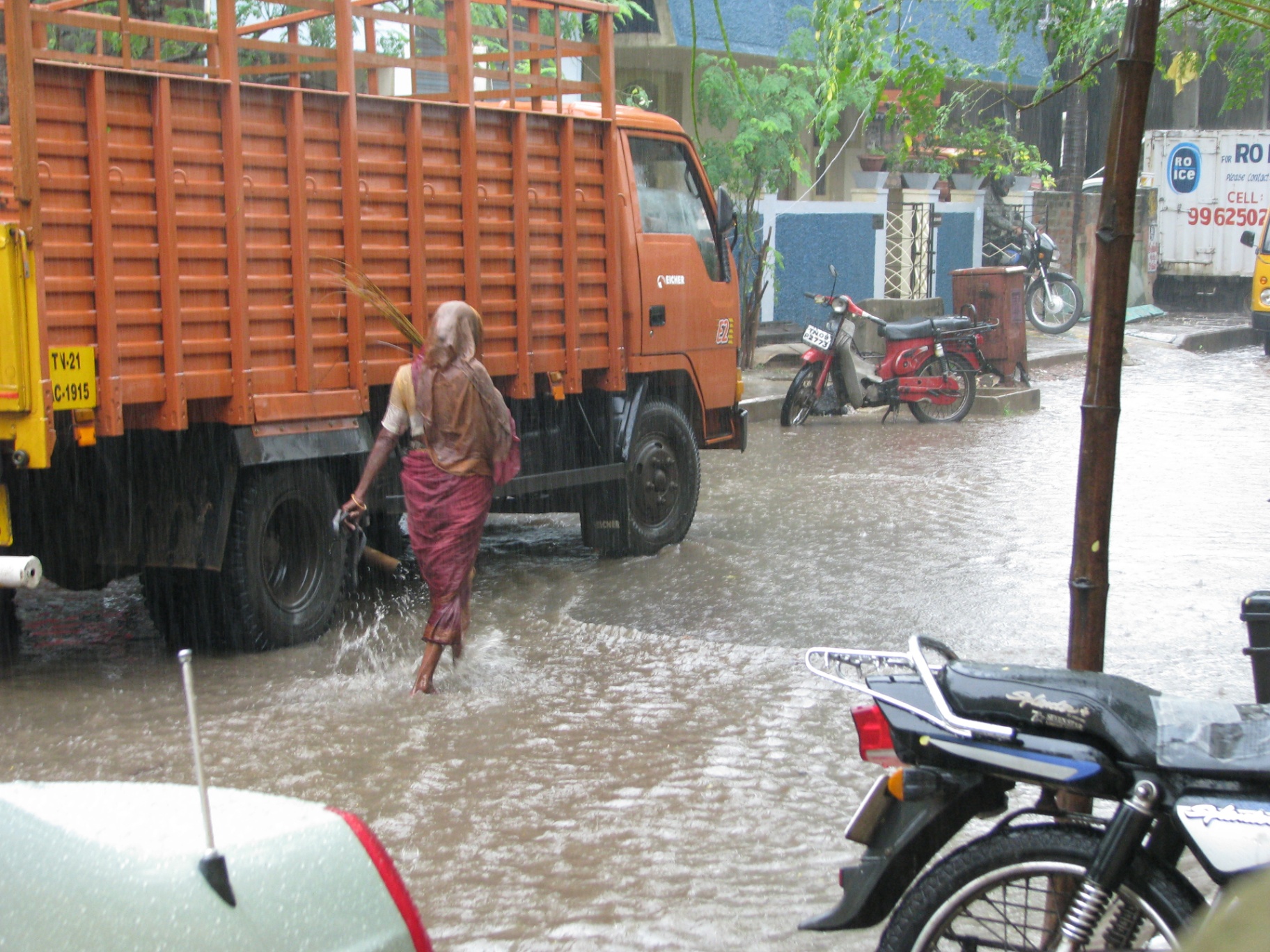
Delhi's weather on Sunday carried a familiar early-monsoon contradiction: heat still present, but instability building. The city recorded a maximum temperature of 38.5C, which was reported as 1.4C below the seasonal average, while the India Meteorological Department forecast rain and gusty winds for Monday. For residents, commuters and airport users, that means the next 24 hours are not only about the number on the thermometer.
Delhi often sits at the meeting point of several weather concerns in June. The monsoon is advancing across parts of India, western disturbances can still influence northern conditions, and local heating can support sudden thunderstorm development. When IMD forecasts rain and gusty winds after a hot day, city systems have to prepare for short, sharp impacts rather than only long-duration rain. Fallen branches, waterlogging in low-lying sections, traffic slowing around underpasses and flight delays can all follow even when rainfall totals are not extreme.
The wider national outlook remains uneven. Recent weather advisories have included heavy rain risk in Kerala, thunderstorm and hailstorm warnings around Delhi-NCR, heatwave conditions in some regions and rough-sea concerns for coastal areas. India is moving through a transition period where the same week can bring relief rain, dangerous wind, heat stress and travel interruptions depending on location.
For Delhi households, the practical advice is simple. Check the latest local forecast before the morning commute, leave extra time for road travel, avoid parking under weak trees during storm warnings and treat open construction sites or loose hoardings as wind hazards. Outdoor workers and delivery riders still need heat precautions because a forecast of rain does not remove dehydration risk during the earlier part of the day.
The city also has a planning lesson to absorb. Weather disruption is no longer limited to exceptional disaster days. A below-average maximum temperature can still come with operational strain if rain and gusts arrive during peak movement hours. Drainage maintenance, traffic police deployment, metro feeder services and airport communication all become part of weather resilience.
Delhi's 38.5C reading may look like relief when compared with harsher heat days, but the forecast shows that comfort is not the only measure of risk. The next phase is about volatility: wind, rain timing, local drainage and fast updates. In June, that can matter as much as the headline temperature.
Related Stories
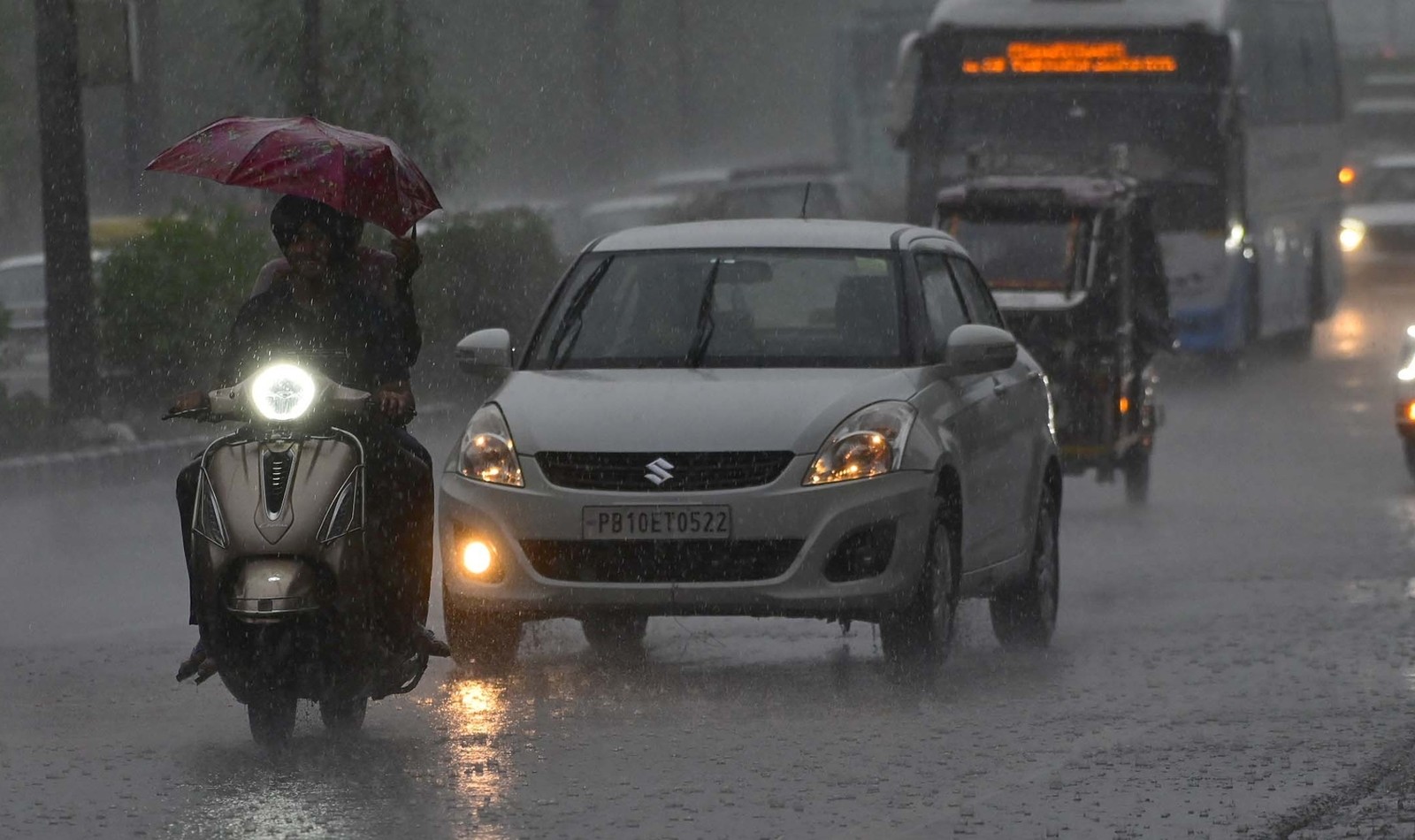
Delhi's Red-Alert Rain Turns A Weather Break Into A Commute Stress Test
Heavy rain, thunderstorms and an IMD red alert brought cooler air but also waterlogging and morning traffic risk across the National Capital Region.
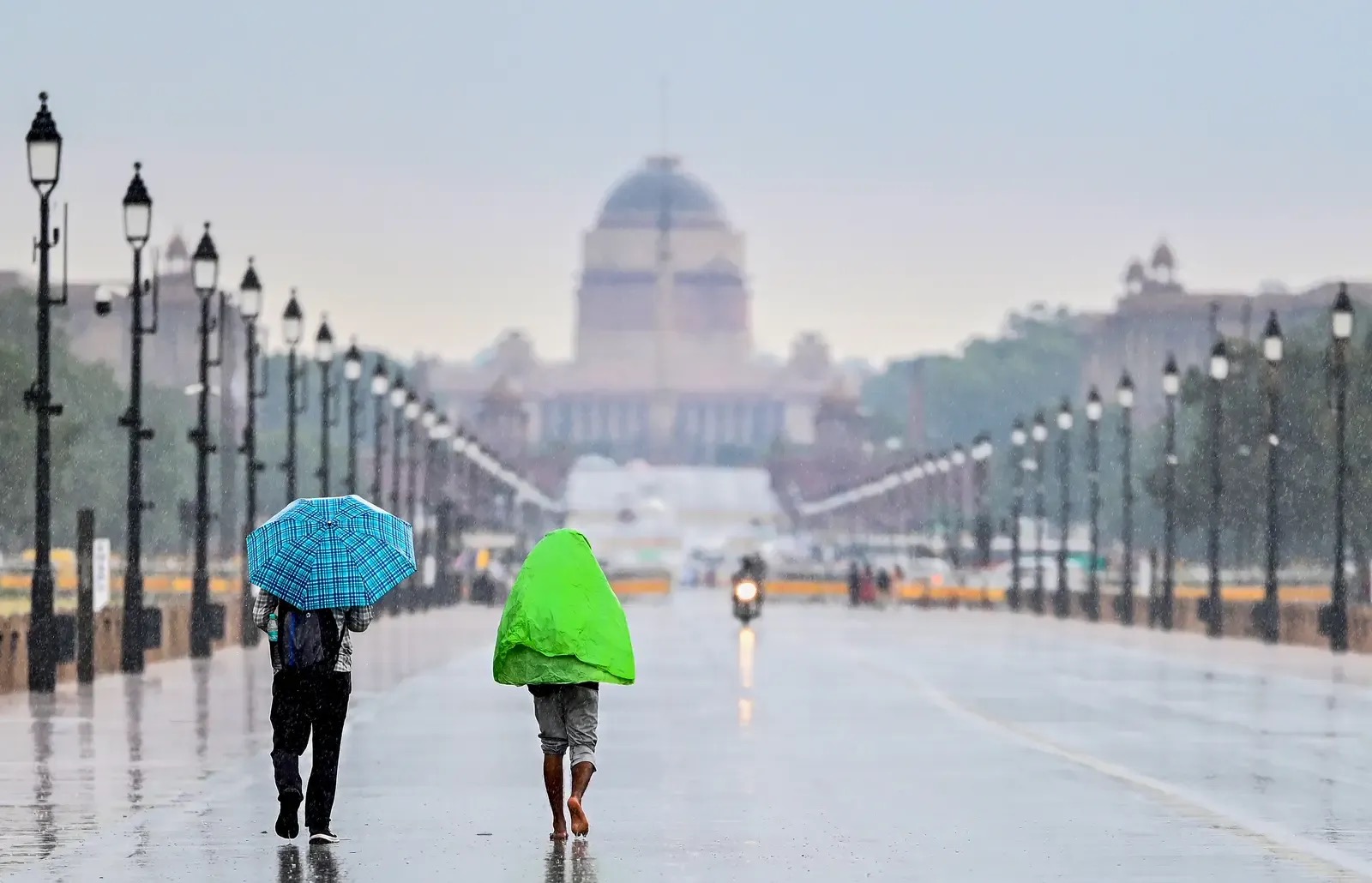
Delhi's Weekend Rain Window Comes With A Dust-Control Warning
Rain, thunderstorms and winds up to 50 kmph may give Delhi-NCR temporary relief, but high minimum temperatures and construction dust keep the air-quality risk alive.
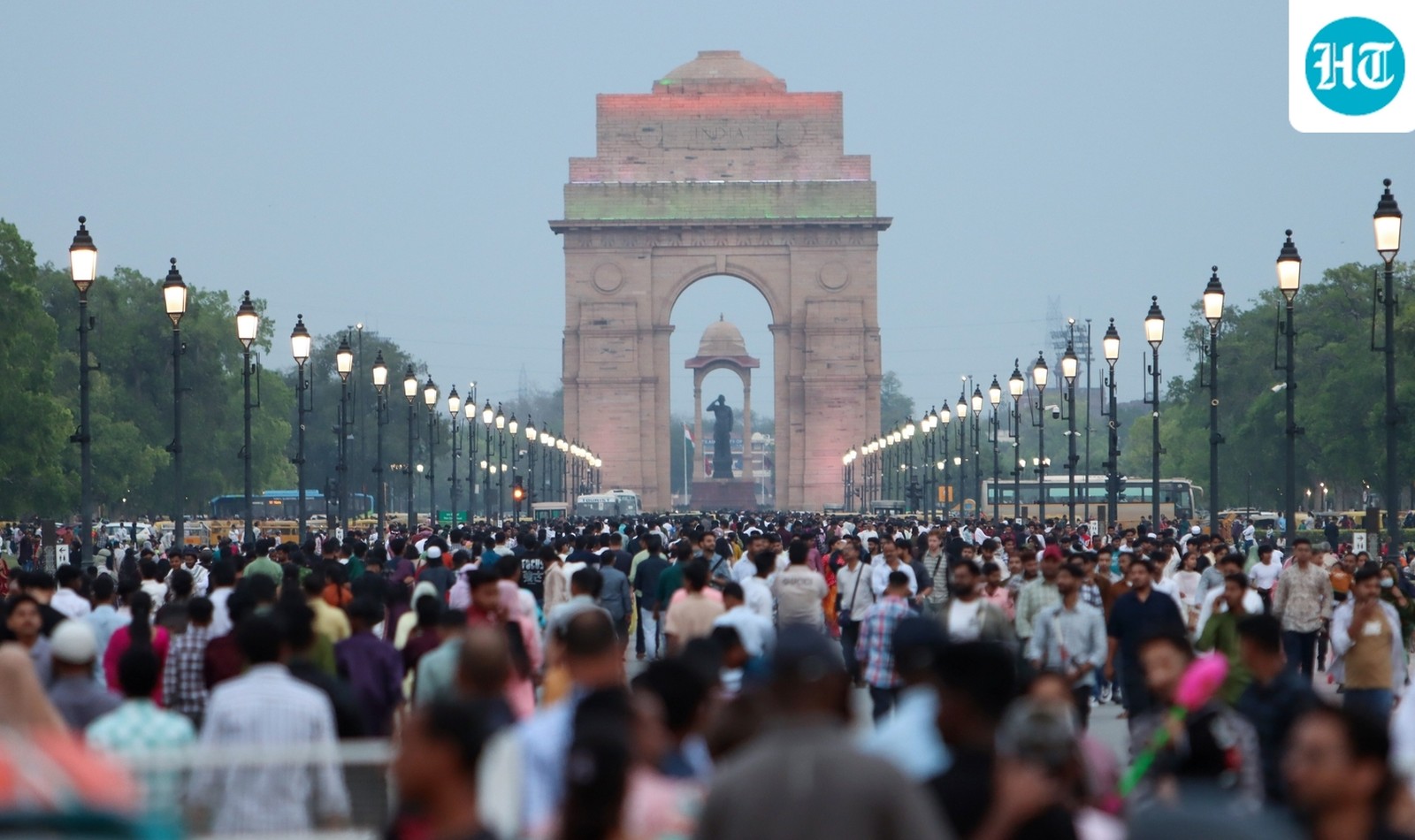
Delhi's Partly Cloudy Forecast Keeps The AQI Watch In Place
IMD's local forecast for New Delhi-Safdarjung shows partly cloudy skies on October 8 after the scattered-rain window, with temperatures expected around 34 and 22 degrees Celsius.