Monsoon Advances As IMD Flags Heavy Rain Across Parts Of India
India's monsoon story has shifted from anticipation to active monitoring, with the IMD pointing readers toward heavy-rain risk in parts of the country.
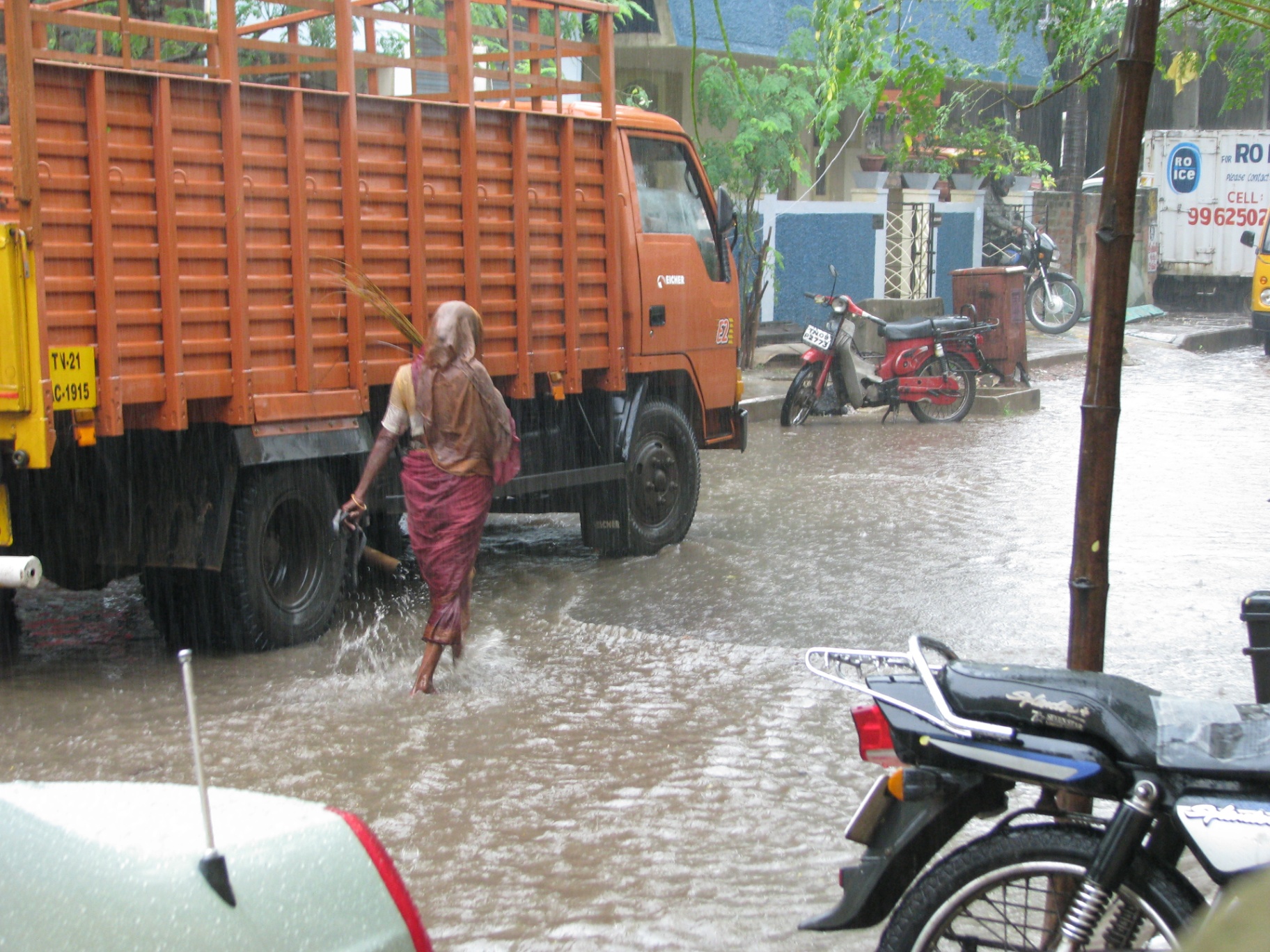
India's monsoon story has shifted from anticipation to active monitoring, with the India Meteorological Department's public forecasts and warnings pointing readers toward heavy-rain risk in parts of the country as the seasonal system advances. The practical message for the week is clear: monsoon arrival is not a single national switch. It is a moving weather pattern that can bring relief, disruption and localised danger at the same time.
The IMD remains the primary source for current district-level warnings, rainfall forecasts and cyclone or heavy-rain bulletins. National media coverage has also tracked the monsoon's progress and its impact on heat, agriculture, travel and city drainage. Because weather alerts change quickly, readers should treat this article as context and check the IMD's latest nowcast, district warning and city forecast before making travel, farming or outdoor-event decisions.
The monsoon matters more deeply than a rainy-day headline. It supports agriculture, replenishes reservoirs, affects power demand, influences food prices and shapes daily mobility. A good spell of rainfall can ease heat and water stress, but intense bursts can flood underprepared roads, delay trains, disrupt flights, damage crops and create landslide risk in vulnerable regions. That dual nature is why official warnings are so important.
For farmers, the timing and distribution of rain can matter more than national totals. Early showers may help sowing in one region while another waits for reliable moisture. Heavy rainfall can also be harmful if it arrives too fast or too unevenly. The difference between useful monsoon rain and damaging rain often depends on local soil, drainage, crop stage and whether authorities have prepared for waterlogging.
For cities, the monsoon is an annual stress test. Drainage systems, metro work sites, underpasses, low-lying colonies, airport roads and informal settlements can all become pressure points. Municipal bodies usually issue advisories, but residents still need practical habits: avoid flooded roads, do not drive through waterlogged underpasses, keep emergency contacts ready, and follow power-safety precautions when water enters streets or buildings.
For travellers, the headline is not to cancel every plan but to build flexibility. Rain can slow highway trips, affect hill routes, create visibility problems and cause cascading delays across aviation and rail networks. People travelling through coastal, hill or flood-prone areas should check both weather and transport advisories, not only the destination forecast. A clear morning does not guarantee a clear evening during active monsoon phases.
There is also a public-information challenge. Weather screenshots circulate quickly on messaging apps, but old warnings are often shared as if they are current. That can create panic in one place and complacency in another. The safest source remains the IMD and official state disaster-management channels. Media reports are useful, but they should be read against the timestamp of the forecast.
The responsible conclusion is balanced. The monsoon is essential for India and often welcome after heat, but heavy-rain alerts deserve attention. Relief and risk can arrive together. Households, farmers, commuters, event organisers and local authorities all need the same discipline: check the latest official warning, act on local conditions, and avoid treating national monsoon progress as a guarantee of what will happen on one road, one farm or one neighbourhood tonight.
Related Stories
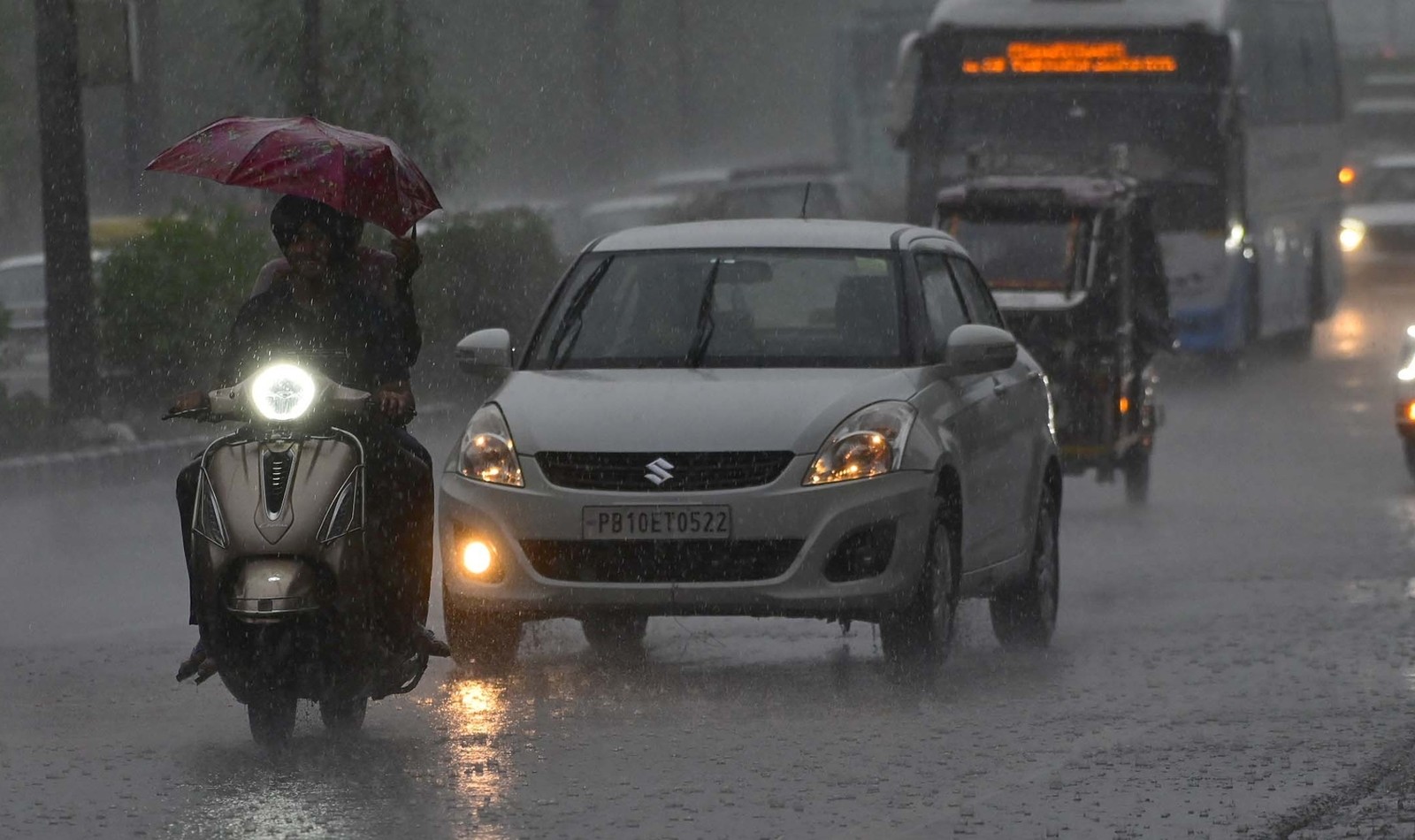
Delhi's Red-Alert Rain Turns A Weather Break Into A Commute Stress Test
Heavy rain, thunderstorms and an IMD red alert brought cooler air but also waterlogging and morning traffic risk across the National Capital Region.
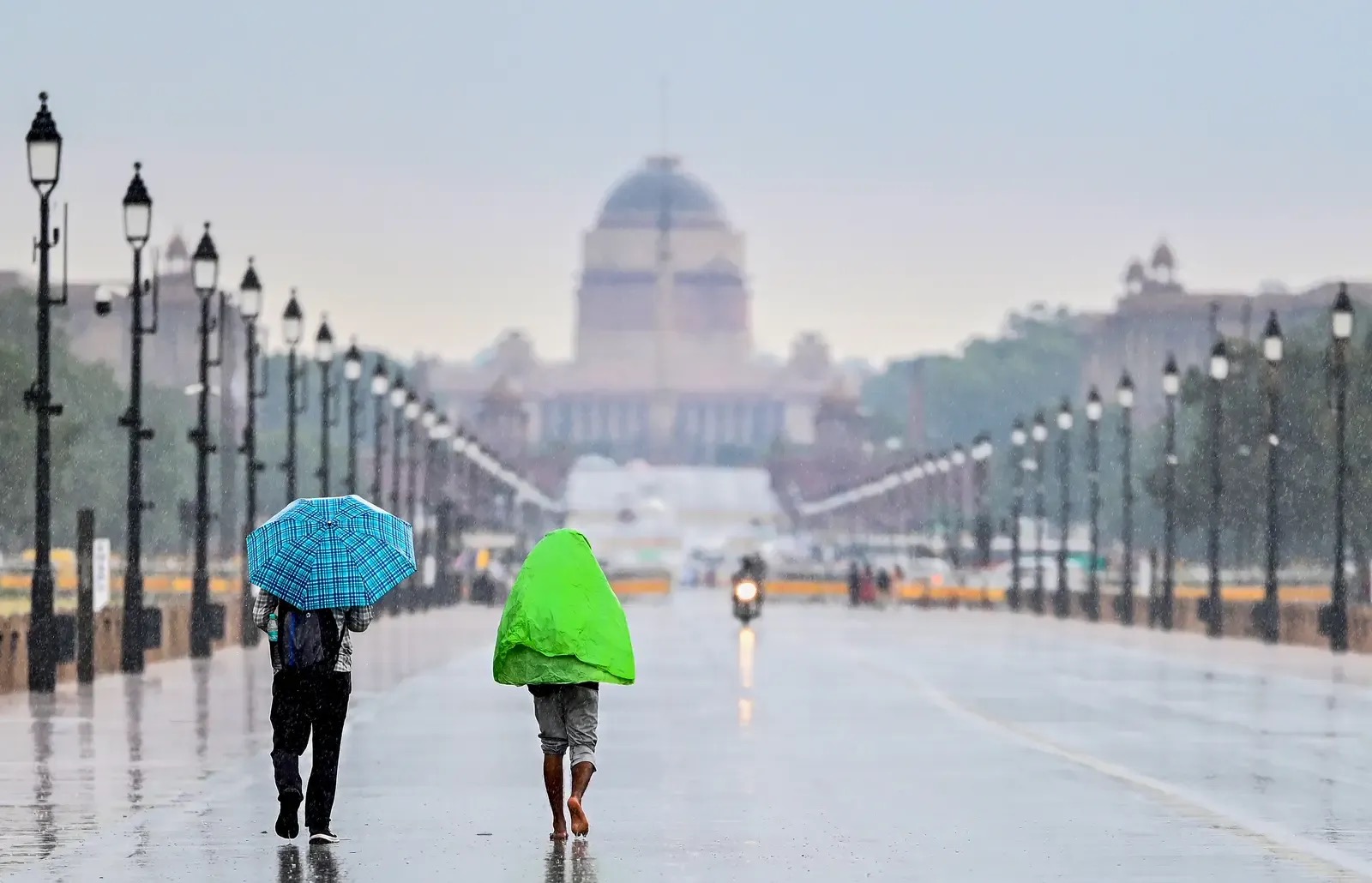
Delhi's Weekend Rain Window Comes With A Dust-Control Warning
Rain, thunderstorms and winds up to 50 kmph may give Delhi-NCR temporary relief, but high minimum temperatures and construction dust keep the air-quality risk alive.
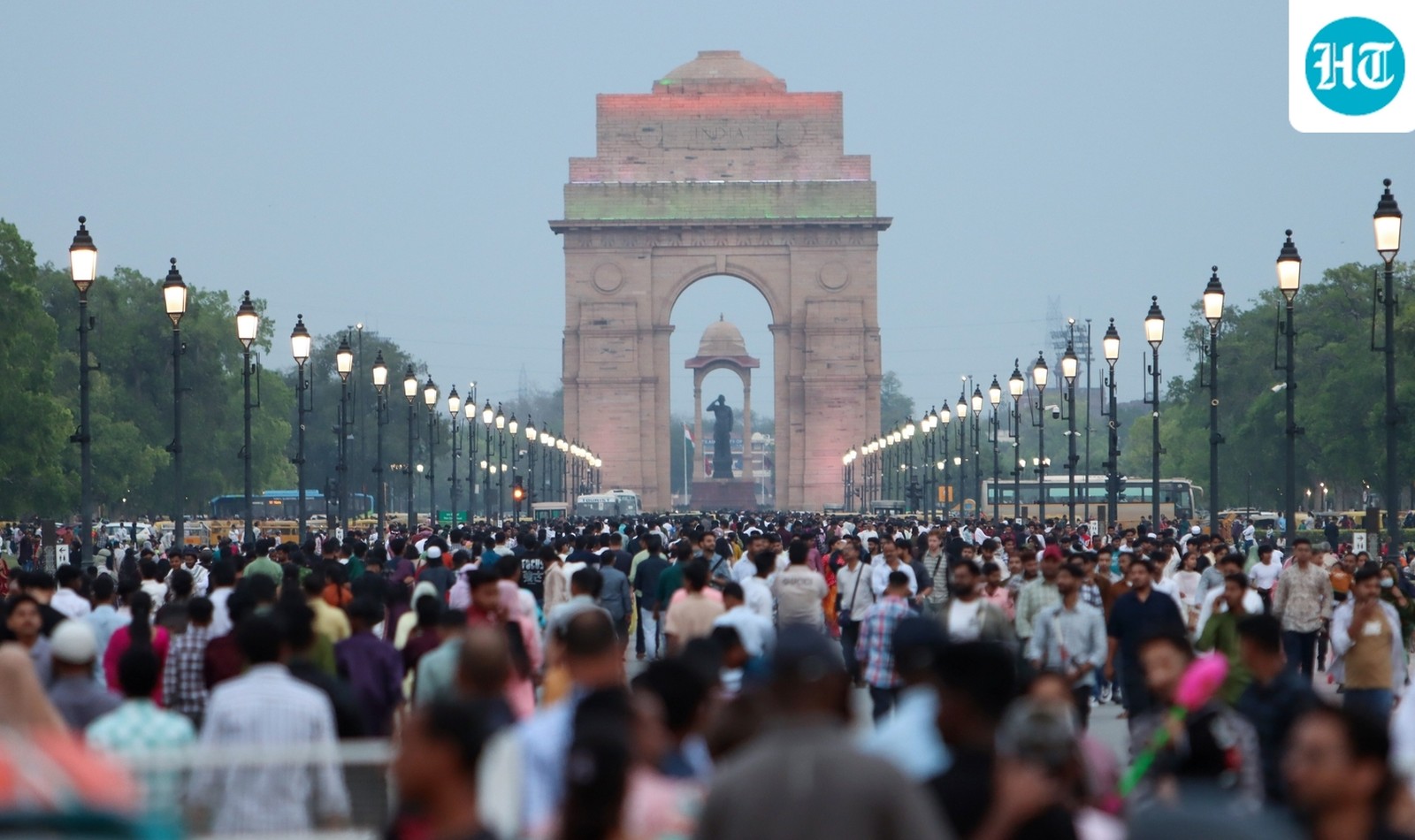
Delhi's Partly Cloudy Forecast Keeps The AQI Watch In Place
IMD's local forecast for New Delhi-Safdarjung shows partly cloudy skies on October 8 after the scattered-rain window, with temperatures expected around 34 and 22 degrees Celsius.