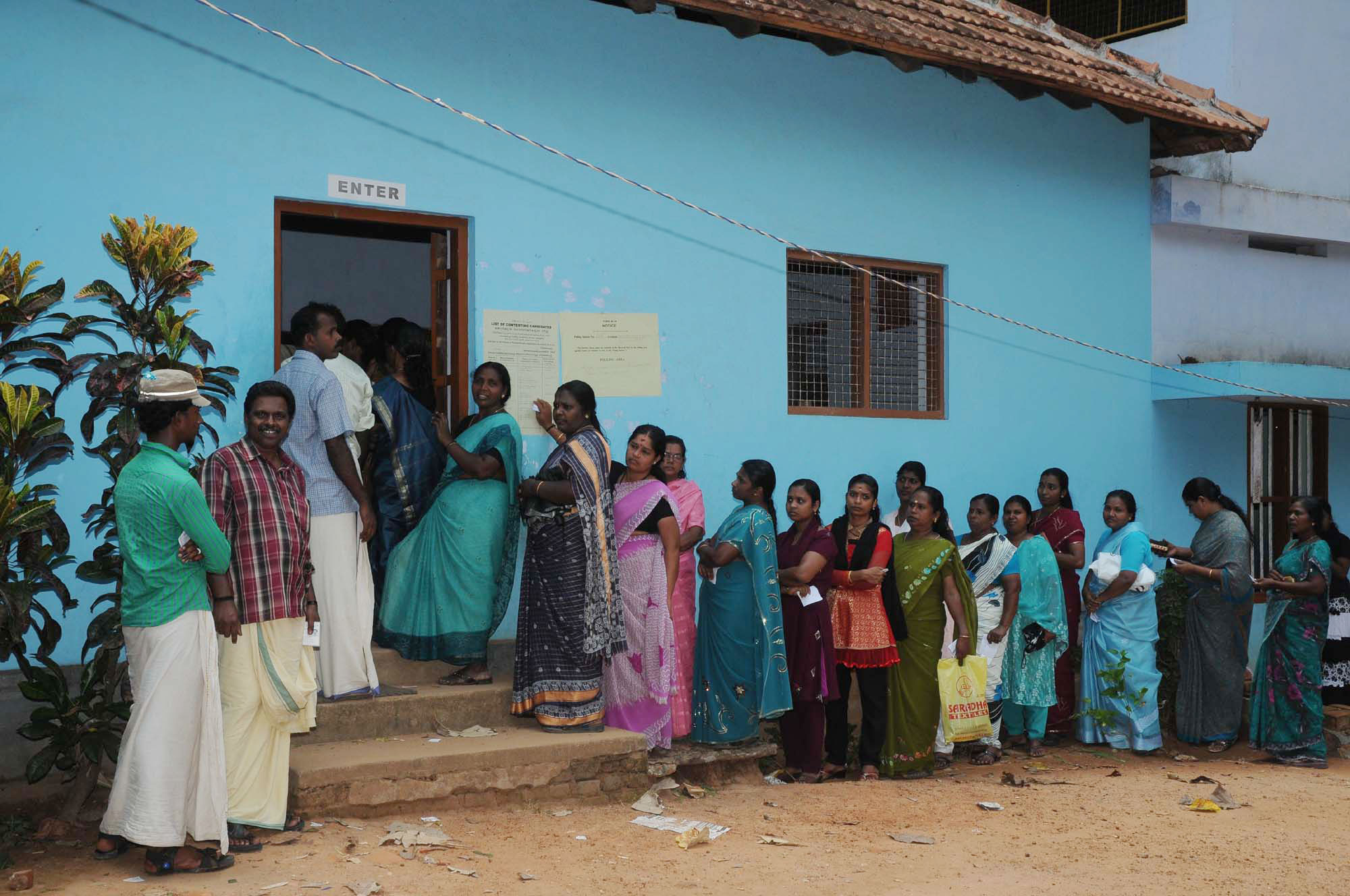
India's Heatwave Response Needs More Than Warnings
India's heatwave warnings are becoming more frequent, but warnings alone will not protect people who have no choice but to be outside.

India's heatwave warnings are becoming more frequent, but warnings alone will not protect people.
Telling citizens to stay hydrated and avoid afternoon sun is useful, but it assumes people have choices. Many do not. Construction workers, delivery riders, street vendors, traffic police and daily-wage labourers cannot simply stay indoors when temperatures rise.
This is why heat must be treated as an infrastructure and labour issue, not only a weather issue.
Cities need shaded streets, drinking water points, cooling shelters, workplace heat rules, cool roofs, better public transport and emergency medical readiness. Employers need clear obligations when heatwave conditions become dangerous.
The April warnings should be seen as more than seasonal alerts. They are a signal that India's cities must adapt to a hotter future.
Heat is no longer just uncomfortable. It is a public health risk, and the response needs to be built into city planning.
Related Stories
Opinion: India's Week Shows Why Public Systems Need Clear Accountability
This week's strongest through-line is accountability: diplomacy, city governance, weather response and sports streaming all show why citizens need systems they can understand and challenge.
Opinion: India's Trust Test Now Runs Through Labels, Currency Signals And Technology Claims
Food labels, currency comments and technology showcases are sending the same message this week: India's institutions are being judged on clarity, not perfection.
Opinion: India Needs Delivery Discipline More Than Big Announcements
India's public conversation is full of large announcements. The harder question is whether public and private institutions can deliver details consistently after the headline has passed.