Opinion: India's Institutions Need Clarity More Than Slogans
India's public life is full of big claims. The harder work is turning those claims into clear systems that people can understand and trust.
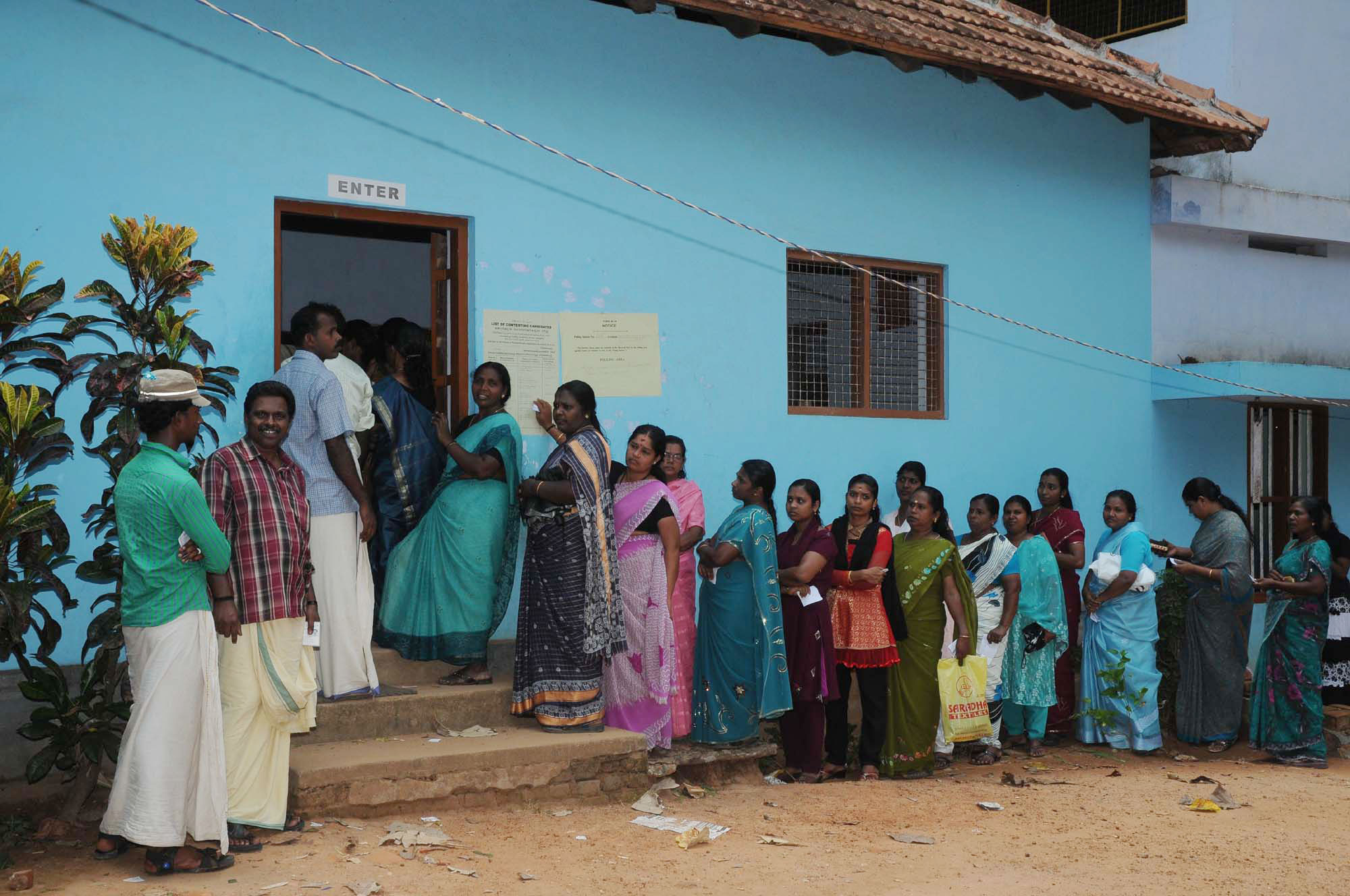
India's public life is full of big claims: reform, transparency, growth, security, inclusion, innovation and national interest. The harder work is turning those claims into clear systems that people can understand and trust. Today's news cycle shows the pattern. Opposition parties are meeting in Delhi to discuss elections and voter concerns. The weather office is issuing monsoon information that can affect lives and livelihoods. The testing system is considering AI support after earlier exam controversies. Each story is different, but each returns to the same question: do citizens know what is happening, who is responsible and how decisions can be checked?
Clarity is not a cosmetic virtue. It is the foundation of trust. When election-related concerns arise, voters need more than partisan accusation and official dismissal. They need transparent rolls, accessible correction processes, timely data and institutions that explain themselves. When the monsoon advances, citizens need warnings that are current, local and easy to act on. When AI enters exam paper setting, students need assurance that technology will be reviewed, audited and accountable.
India often debates institutions as if trust is created by loyalty. Supporters are expected to trust one side, critics another. That is not enough for a country of this size. Trust should be built through process. A strong process can survive criticism because it shows its work. A weak process demands belief because it cannot withstand scrutiny.
This matters especially for young people. Students preparing for competitive exams are not interested in abstract claims about reform if their paper has an error or their result is delayed. Farmers tracking rainfall do not need political theatre if a flood warning is outdated. Voters do not need slogans about democracy if they cannot verify their registration or understand constituency changes. Institutional quality is measured at the point where a citizen has to use the system.
Technology can help, but it cannot replace accountability. AI in exams, digital voter tools, weather apps and online public dashboards are useful only when they are accurate, inclusive and backed by responsible humans. A broken digital system is not modern; it is just a faster way to spread confusion. The test is not whether a government or agency uses new tools. The test is whether those tools make public decisions clearer and fairer.
Federalism adds another layer. India is too varied to be governed only through national announcements. States, cities and panchayats often deliver the services that touch daily life. Clarity at the national level means little if state-level execution is opaque or inconsistent. Genuine reform respects that local layer instead of treating it as a delivery channel for headlines.
Civic communication also matters. Citizens cannot be expected to read every gazette, but institutions can be expected to explain their decisions in plain language, on time, through trusted channels. Press conferences, official websites, social handles and public dashboards should be designed to inform, not to perform. When communication is reduced to slogans, even good policies can lose credibility.
The most patriotic position on Indian institutions is not blind defence. It is insisting that they meet the standards their own laws and constitutional values promise. Voters, students, farmers, workers, investors and ordinary residents all benefit when public systems are clear, fair and reviewable. Slogans may move a news cycle, but only clarity earns lasting trust. That is the test India's institutions face today, and it cannot be answered with louder claims.
Related Stories
Opinion: India's Week Shows Why Public Systems Need Clear Accountability
This week's strongest through-line is accountability: diplomacy, city governance, weather response and sports streaming all show why citizens need systems they can understand and challenge.
Opinion: India's Trust Test Now Runs Through Labels, Currency Signals And Technology Claims
Food labels, currency comments and technology showcases are sending the same message this week: India's institutions are being judged on clarity, not perfection.
Opinion: India Needs Delivery Discipline More Than Big Announcements
India's public conversation is full of large announcements. The harder question is whether public and private institutions can deliver details consistently after the headline has passed.
