Opinion: India's Week Shows Why Public Systems Need Clear Accountability
This week's strongest through-line is accountability: diplomacy, city governance, weather response and sports streaming all show why citizens need systems they can understand and challenge.
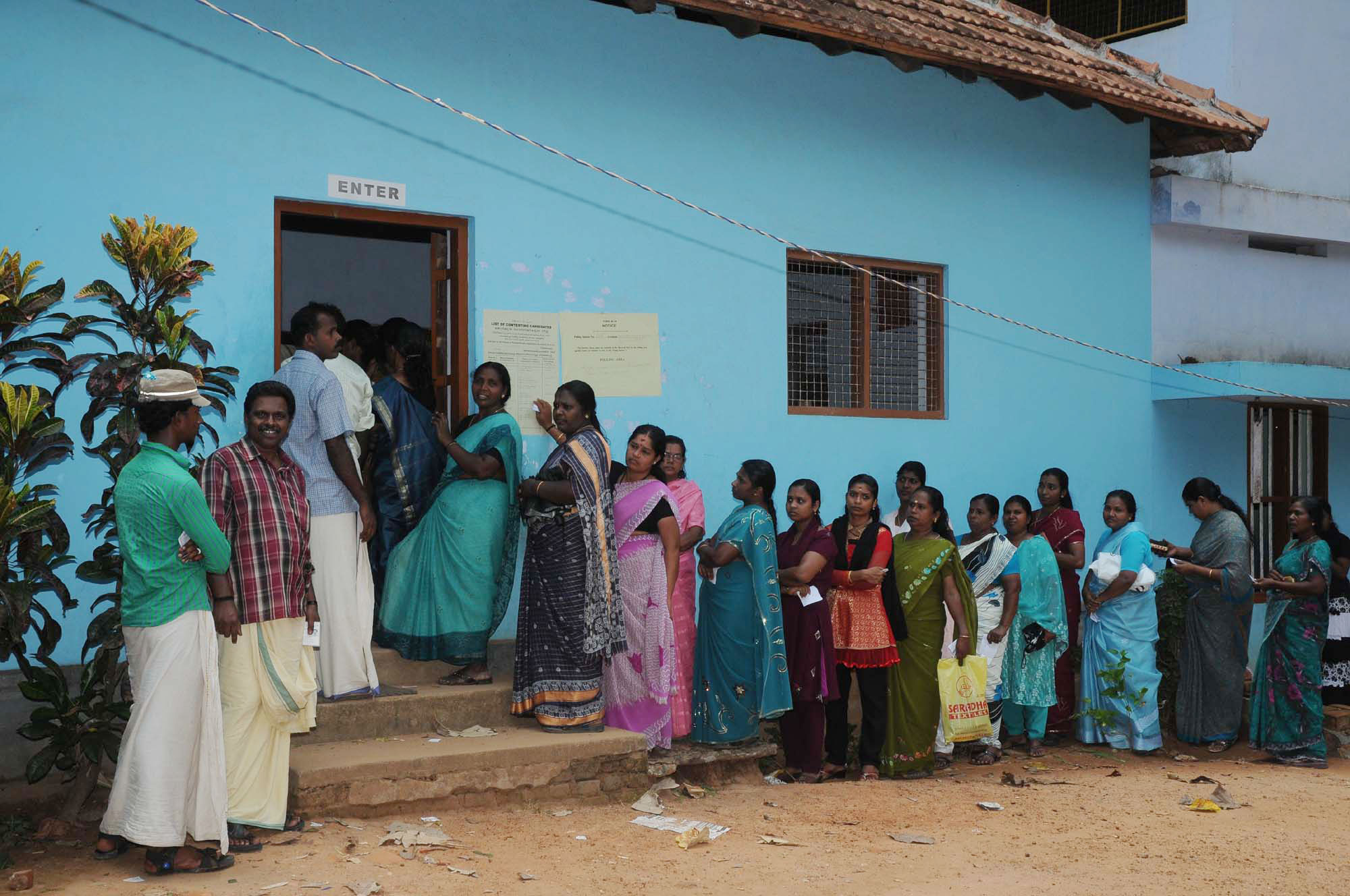
India's strongest news thread this week is not one event. It is accountability. The deaths of Indian sailors in the Strait of Hormuz demand diplomatic accountability. Bengaluru's ministerial row demands administrative accountability. Delhi's red alert demands civic and weather-response accountability. ZEE5's World Cup complaints demand consumer and technology accountability. These stories sit in different sections of the newspaper, but they ask the same question: when something goes wrong, who explains it, who fixes it and who can citizens hold responsible?
This is the practical side of trust. Trust is not built by asking people to be patient forever. It is built when institutions make their responsibilities visible. A sailor's family should not have to guess what the government knows about a fatal strike. A Bengaluru resident should not have to decode which urban agency controls which project. A Delhi commuter should not have to wonder whether a red alert means school disruption, road closures, power risk or only bad weather. A paying sports viewer should not have to search social media to understand device limits or streaming quality.
India often discusses scale as a strength, and it is one. The country can build airports, run large digital platforms, host global companies and speak at major summits. But scale without clear accountability produces frustration. The larger the system, the more important it is that ordinary users can identify the responsible office, company or channel.
The Bengaluru debate is a useful example because it is easy to dismiss as party politics. It is political, but the governance issue is real. Cities cannot be managed through scattered authority and unclear timelines. If roads, drains, planning, Metro interfaces and new corporations are split across multiple structures, residents experience delay as daily life. Accountability is not a slogan in that context. It is a design requirement.
The Delhi weather alert shows the same point in a different form. The IMD can issue a warning, but risk reduction depends on how agencies and residents act on it. A red alert should trigger specific transport, drainage, school, power and public-safety responses. If it does not, the warning remains information rather than protection.
The ZEE5 complaints are a private-sector version of the same problem. Platforms cannot sell premium live sport and then treat reliability as a secondary matter. Payment clarity, device rules, stream quality and customer service are part of the product. When they fail, users deserve a direct explanation and visible correction.
The foreign-policy case is the most serious because lives were lost. India does not need to turn every diplomatic disagreement into public theatre, but it does need to show citizens that Indian lives abroad are not treated as background cost. Strategic partnerships are strongest when hard conversations can happen openly and firmly.
The lesson across these stories is that ambition must be matched by legibility. People can accept bad weather, infrastructure strain, platform glitches and international complexity when institutions tell them the truth and act promptly. What they reject is uncertainty wrapped in silence.
India's next stage of growth will depend on systems that citizens can understand. Whether the issue is diplomacy, city governance, weather risk or digital services, clear accountability is not a luxury. It is the difference between a big system and a trusted one.
Related Stories
Opinion: India's Trust Test Now Runs Through Labels, Currency Signals And Technology Claims
Food labels, currency comments and technology showcases are sending the same message this week: India's institutions are being judged on clarity, not perfection.
Opinion: India Needs Delivery Discipline More Than Big Announcements
India's public conversation is full of large announcements. The harder question is whether public and private institutions can deliver details consistently after the headline has passed.
Opinion: India's Institutions Need Clarity More Than Slogans
India's public life is full of big claims. The harder work is turning those claims into clear systems that people can understand and trust.
