India Rejects Pakistan's Gilgit-Baltistan Election Move, Reasserts Claim Over PoK
India's Ministry of External Affairs has rejected Pakistan's move to conduct assembly elections in Gilgit-Baltistan, calling the exercise illegitimate.
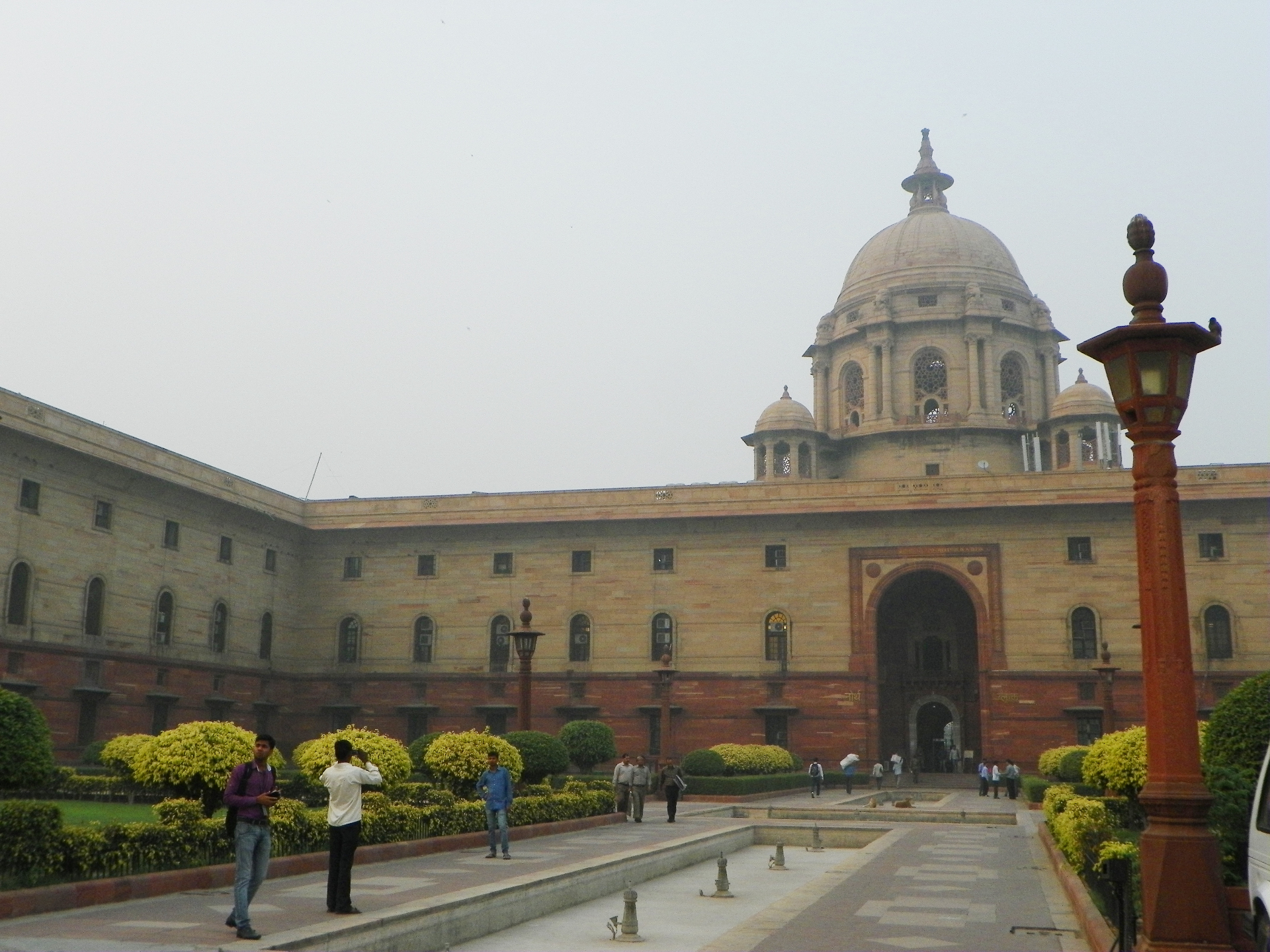
India's Ministry of External Affairs has rejected Pakistan's move to conduct assembly elections in Gilgit-Baltistan, calling the exercise illegitimate and reiterating New Delhi's position that the entire Union Territories of Jammu and Kashmir and Ladakh are an integral part of India. The latest statement is part of a long-running diplomatic dispute, but its timing gives the issue renewed public attention as Pakistan-administered areas head toward another electoral process that India says has no legal standing.
Reports of the MEA's response noted that the Indian side objected to what it described as Pakistan's attempt to give political cover to territories under its illegal occupation. The language is consistent with India's established position on Pakistan-occupied Kashmir, including Gilgit-Baltistan. It is also a reminder that even routine-looking elections in disputed territory can become a diplomatic flashpoint because each side reads them through sovereignty, legality and international messaging.
The immediate issue is not a conventional Indian domestic election. Indian voters will not participate in the Gilgit-Baltistan process, and the result will not change India's administrative control on the ground. The significance is diplomatic: India is signalling that Pakistan cannot normalise its hold over the region through local institutions, and Pakistan is likely to continue presenting those institutions as evidence of political representation. That clash of narratives is why the wording from the MEA is strong.
For readers, the key distinction is between the existence of an election and the legitimacy India assigns to it. A ballot can be held, candidates can campaign and local results can be declared, while India still rejects the process as legally invalid. That is the core of New Delhi's argument. It does not need to dispute that an event is taking place; it disputes the authority under which the event is being held.
The statement also lands in a wider regional context. Kashmir-related diplomacy has been shaped by security incidents, constitutional changes, cross-border tensions, international commentary and periodic attempts by both countries to frame the dispute before domestic and foreign audiences. Gilgit-Baltistan adds another layer because it is geographically strategic and frequently discussed in relation to connectivity, infrastructure and China-Pakistan economic projects.
India's message is therefore aimed at more than Pakistan alone. It is also directed at international observers who may treat the election as a local governance story unless they understand New Delhi's sovereignty claim. By publicly rejecting the process, the MEA places the Indian objection on record before the vote and reduces the possibility that silence could be read as acceptance.
At the same time, the statement does not by itself change facts on the ground. The region remains outside India's administrative control, and residents there face their own political and economic realities. The gap between diplomatic position and lived governance is one of the difficult features of territorial disputes. Governments argue over legality and sovereignty while people in the contested area deal with jobs, roads, services and political representation.
The responsible way to read the news is to separate confirmed facts from rhetoric. Confirmed facts include India's objection, Pakistan's planned electoral process and New Delhi's repeated assertion that Jammu and Kashmir and Ladakh in their entirety belong to India. What cannot be assumed from the reports is any immediate military development or negotiation breakthrough. This is a diplomatic escalation in language, not proof of a new crisis unless further official steps follow.
Related Stories
India's Oil Security Push Gets Urgent As Global Energy Pressure Builds
India's dependence on imported crude is back in focus as global energy disruption places pressure on fuel prices, trade and household budgets.

India And UAE Deepen Defence And Energy Ties
India and the UAE have moved closer on defence cooperation, strategic petroleum reserves and long-term energy supply.

NEET To Move Toward Computer-Based Exams After Leak Row
India's medical entrance system is set for a major shift after paper leak concerns triggered national anger.
